
Hospital-backed dental care in Navi Mumbai
Comfortable care for problematic wisdom teeth
Wisdom teeth are the last teeth at the back of the mouth. They may grow normally, but sometimes there is not enough room for them to come in properly.
A wisdom tooth can become trapped, tilted, infected or difficult to clean.
At The Millennium Dental, your dentist will examine your wisdom tooth and explain whether removal is needed and what treatment may be appropriate for you.
Book a wisdom tooth consultation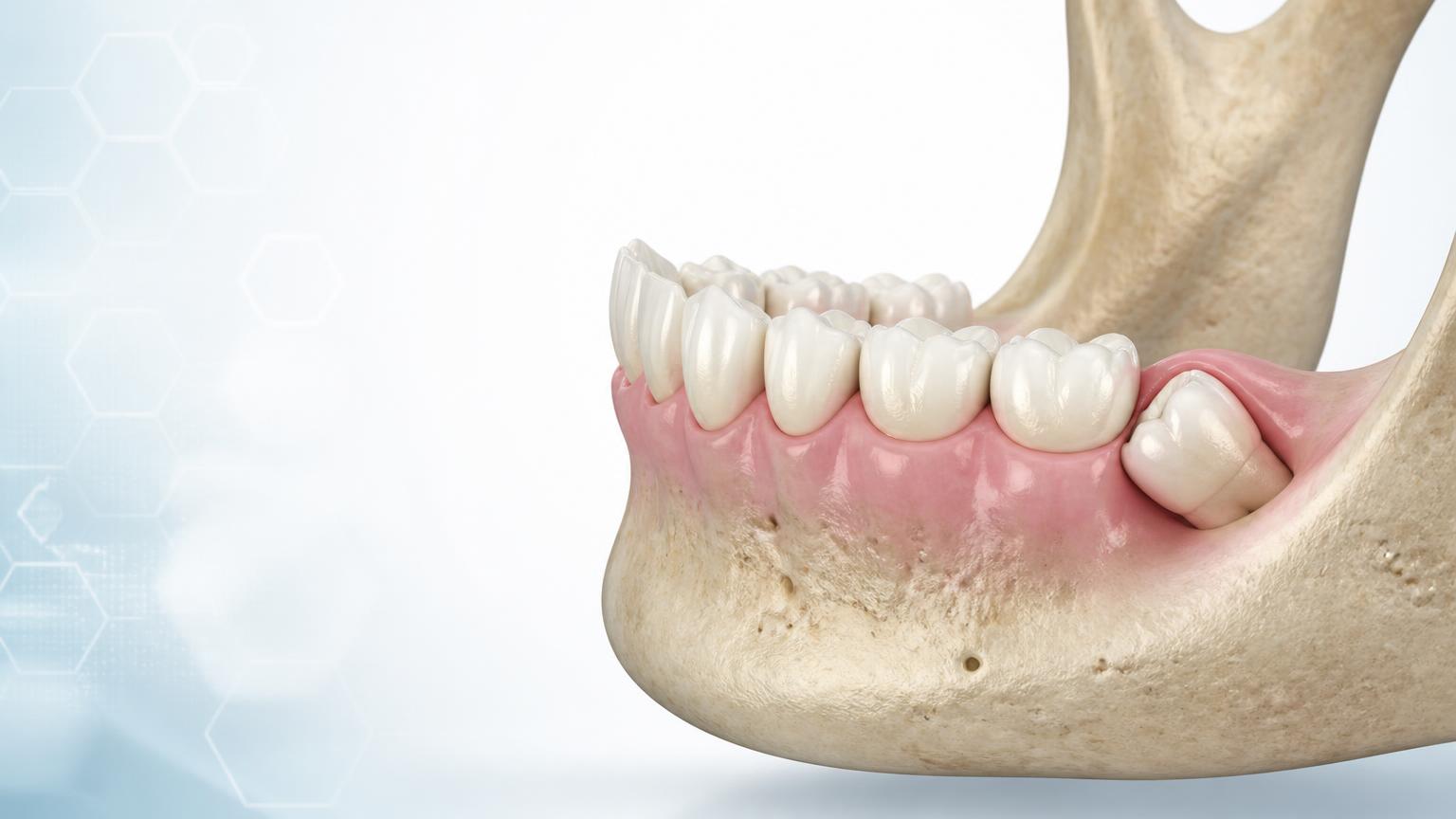
What are wisdom teeth?
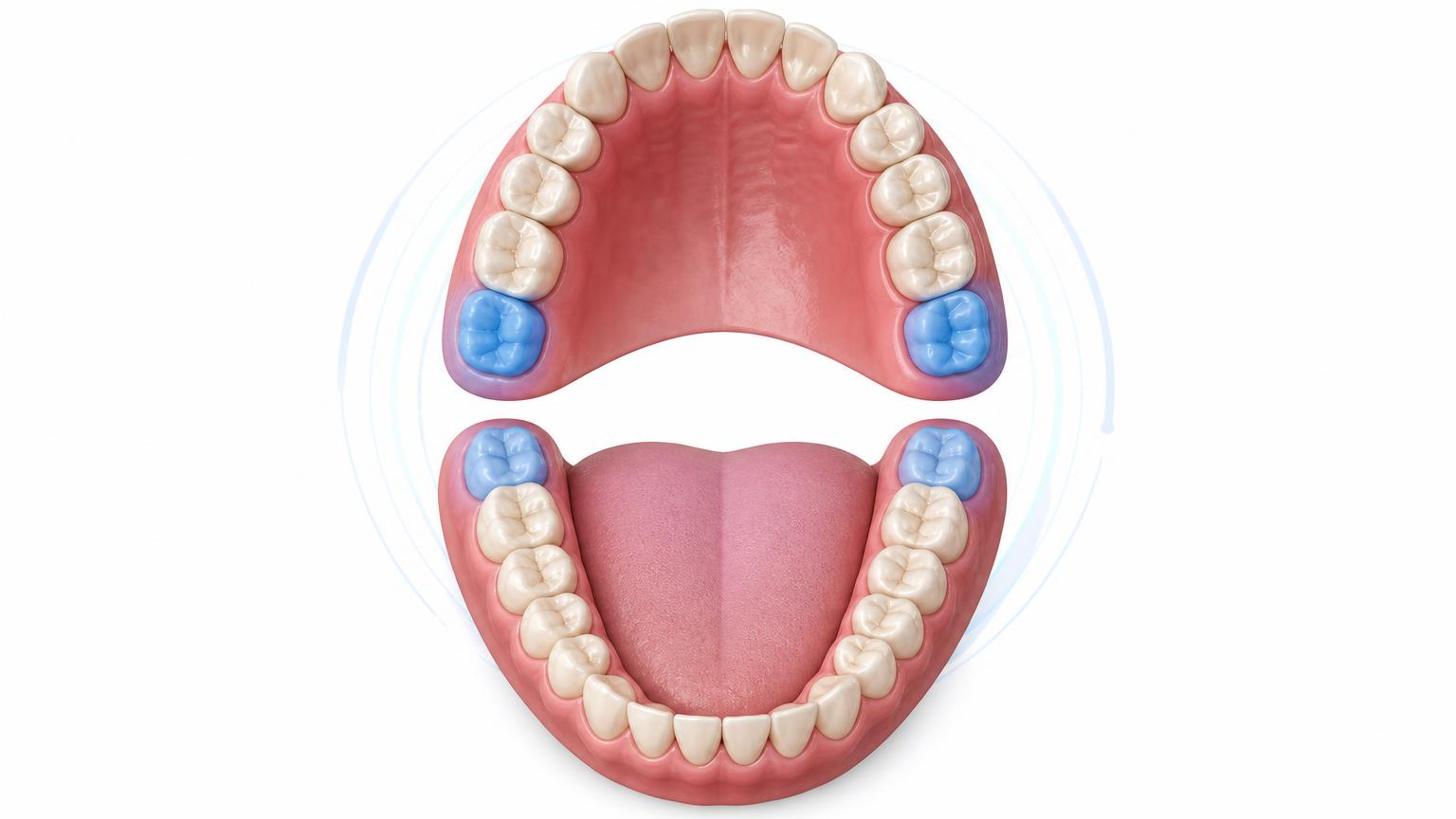
Wisdom teeth are the last molars at the back of the mouth.
Most people develop up to four wisdom teeth, although some people have fewer or do not develop them.
They usually appear during the late teenage years or early adulthood.
Some wisdom teeth grow normally and do not cause problems. Others may not have enough room to come in properly.
Why can wisdom teeth become a problem?
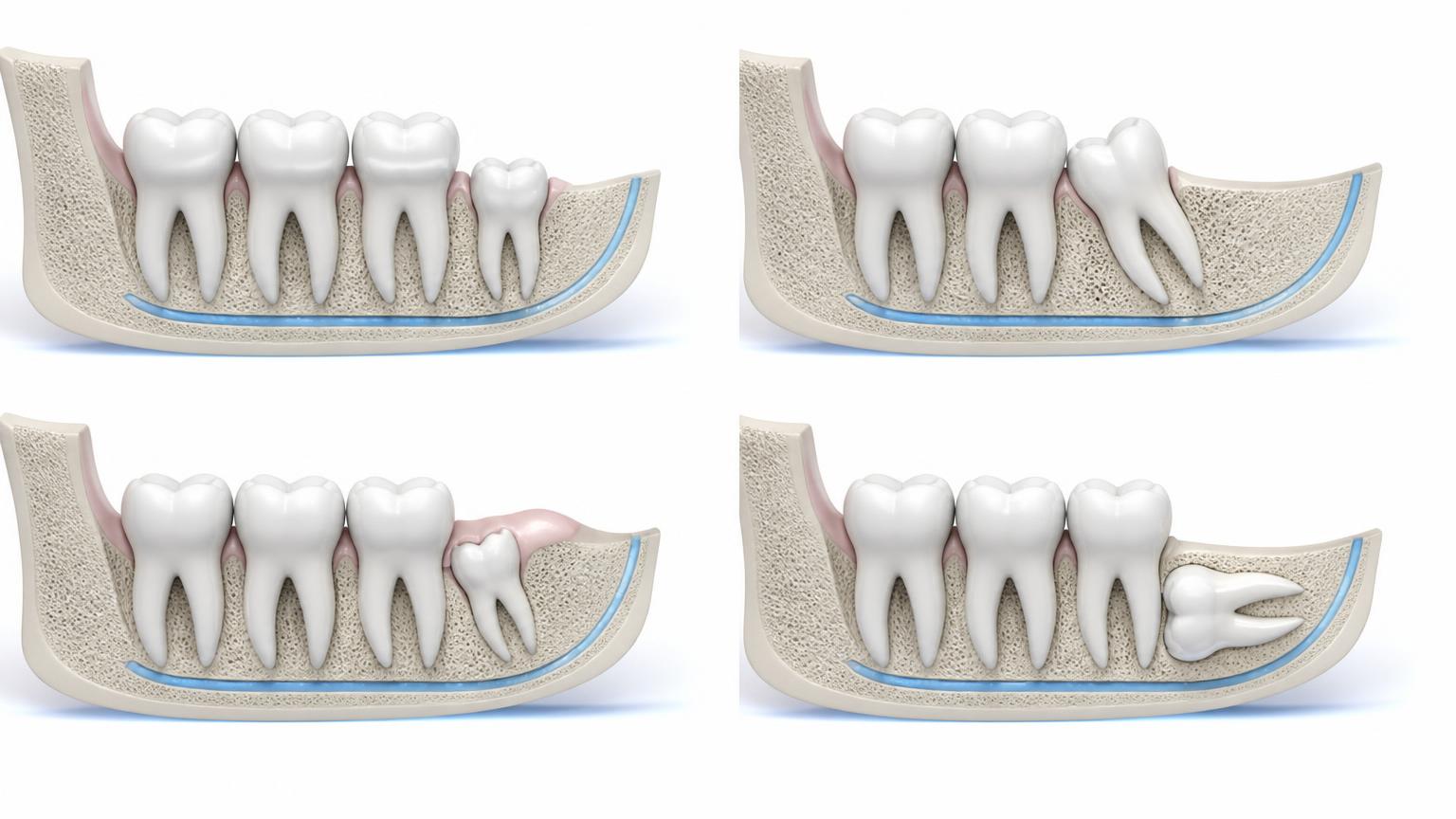
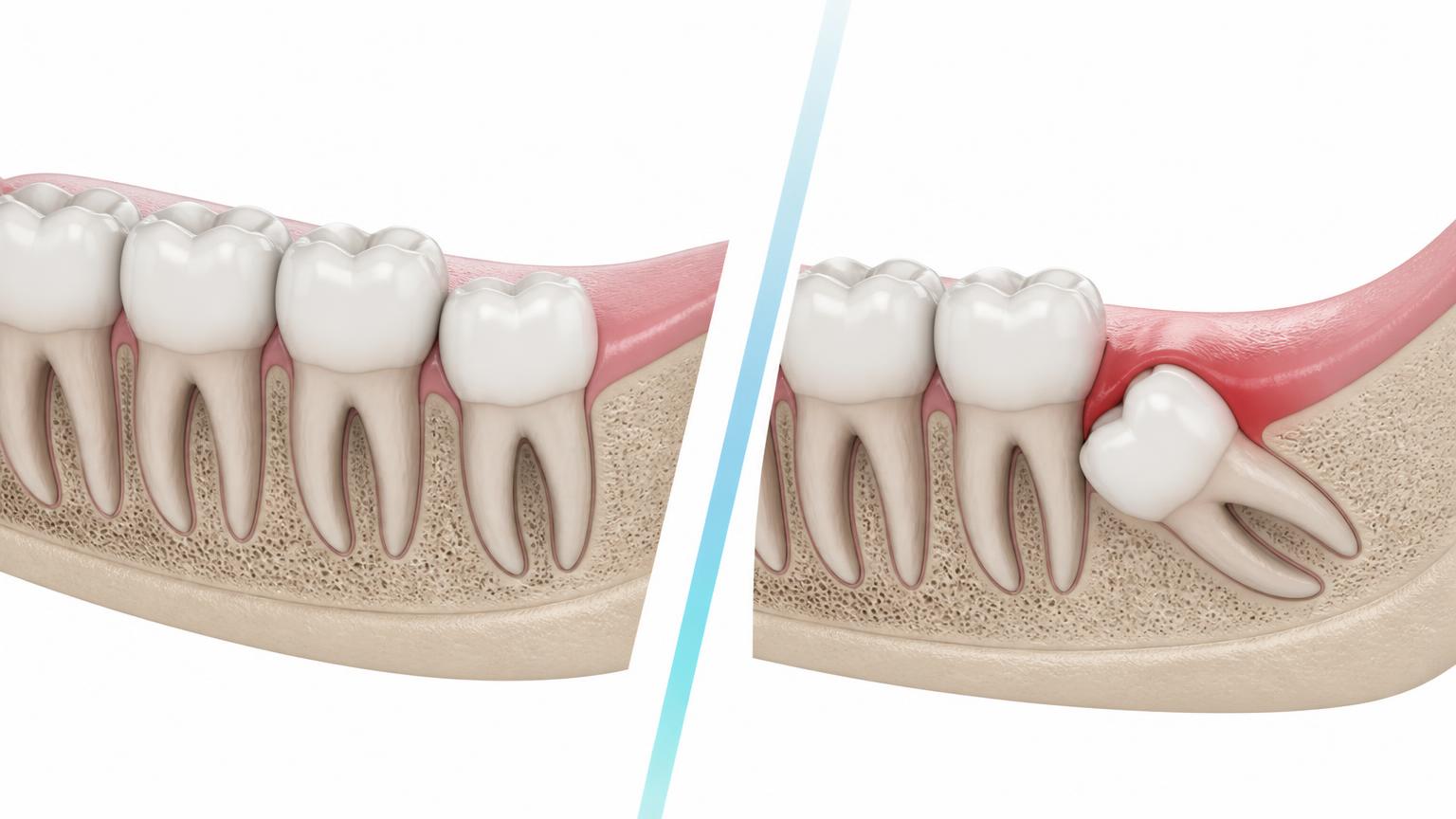
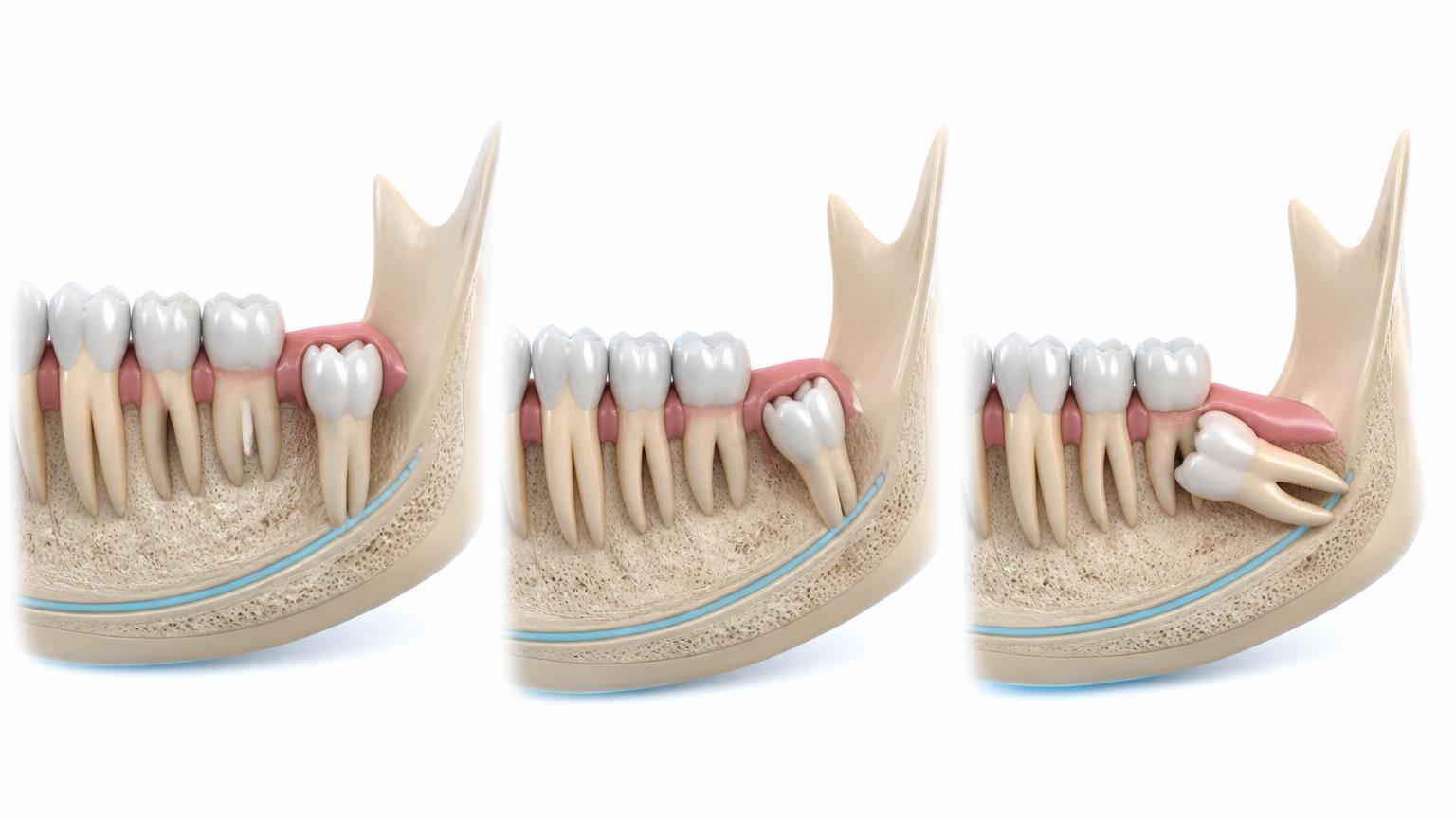
Wisdom teeth can cause problems when there is not enough room for them to grow normally.
A wisdom tooth may:
- Grow at an angle
- Remain partly covered by gum
- Become trapped inside the jaw
- Be difficult to clean
- Press against a neighbouring tooth
- Develop decay or gum problems
Not every wisdom tooth needs to be removed. Your dentist will assess the tooth before recommending treatment.
What does “impacted” mean?
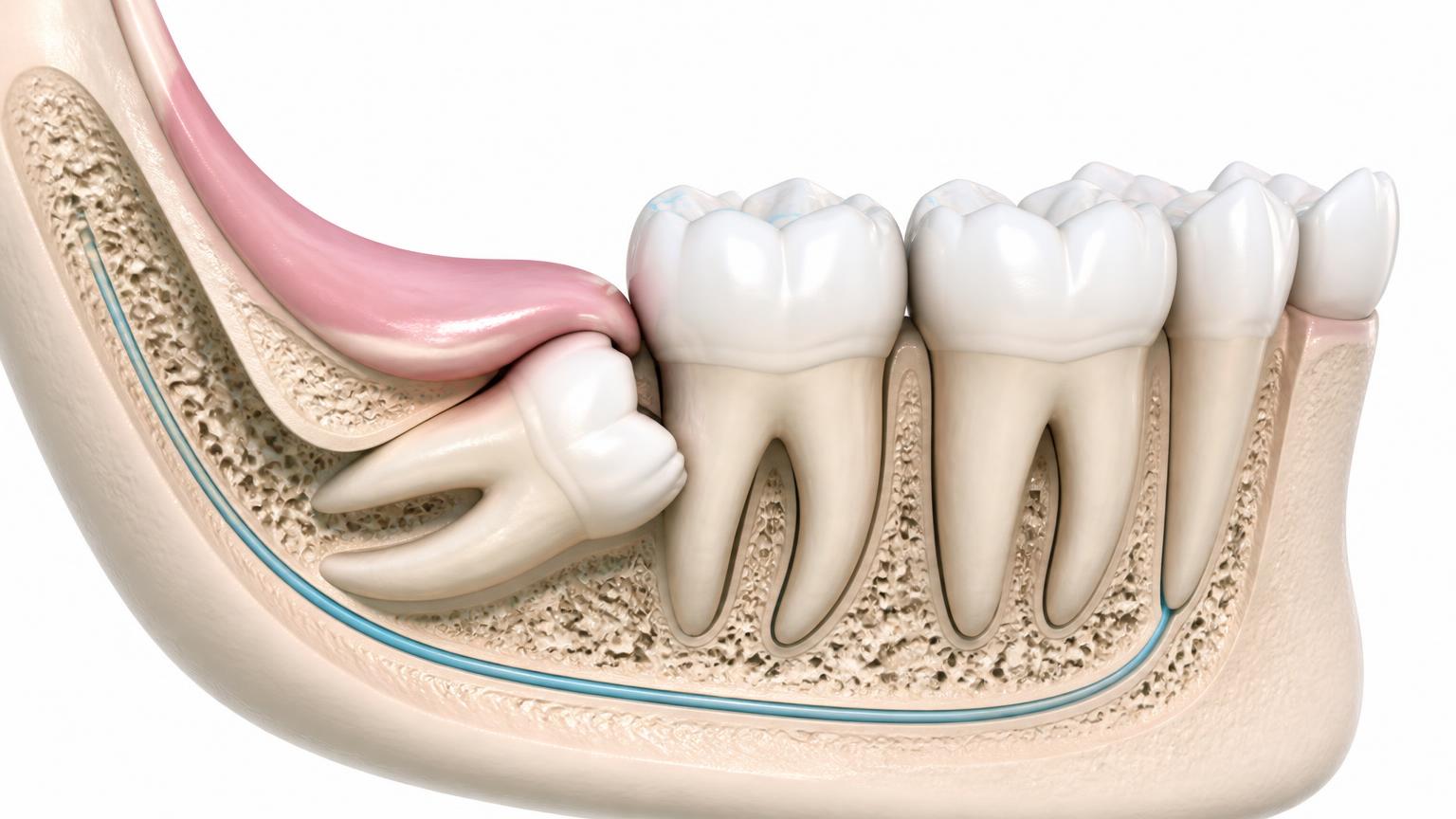
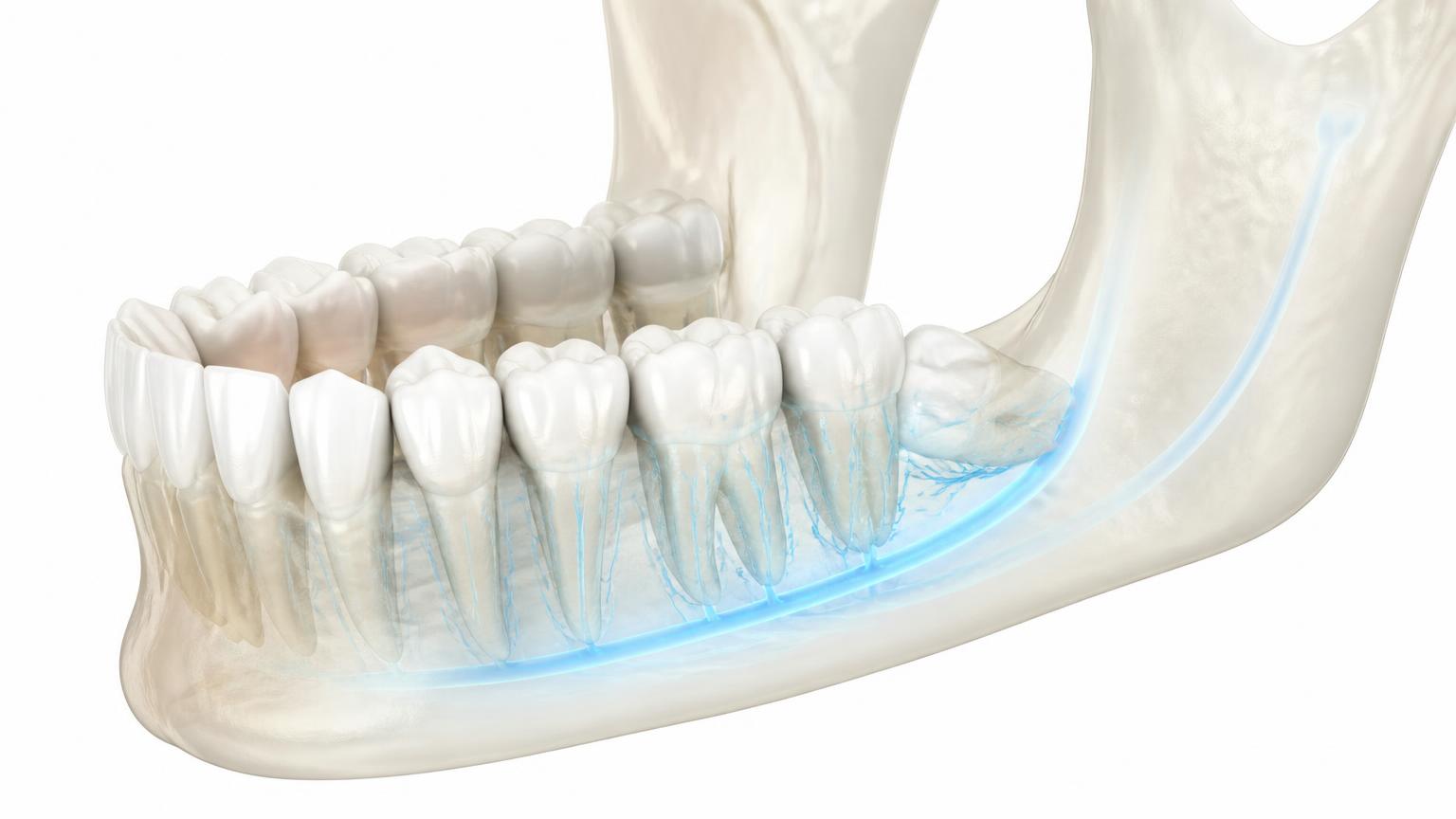
A wisdom tooth is called impacted when it cannot come into the mouth normally.
It may remain partly or completely covered by gum or bone.
It may also grow at an unusual angle.
An impacted wisdom tooth does not always cause symptoms, but it may create problems in some patients. Your dentist can use an examination and appropriate dental imaging to assess its position.
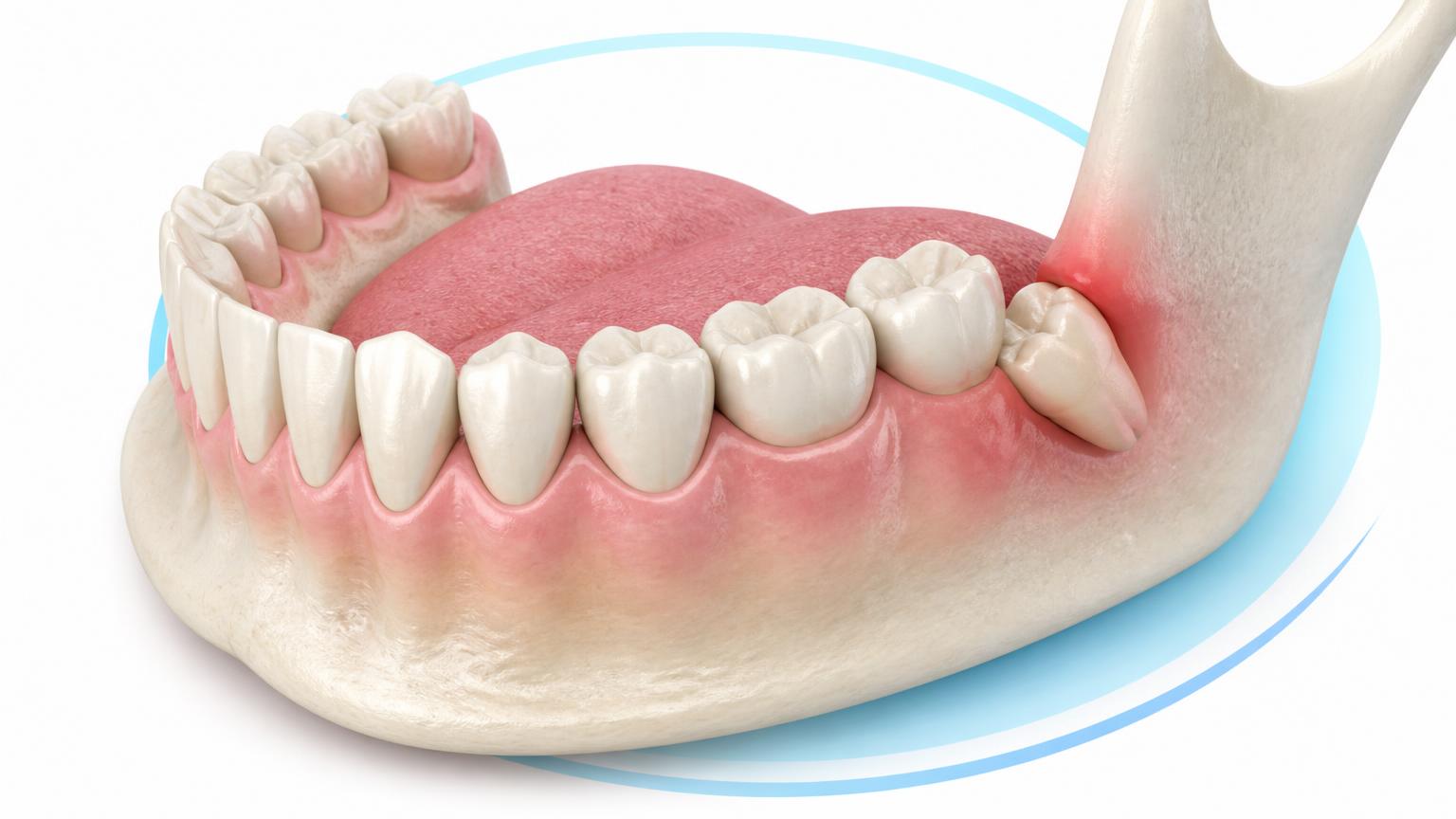
What symptoms should you look out for?
A problematic wisdom tooth may cause:
- Pain at the back of your mouth
- Swelling around the tooth
- Tender or swollen gums
- Difficulty opening your mouth
- Pain when chewing
- Food getting trapped around the tooth
- Bad taste or unpleasant smell
- Pain that spreads toward the jaw or ear
Some wisdom tooth problems may cause very few symptoms. If you have pain or swelling at the back of your mouth, it is worth getting the area checked.
Does every wisdom tooth need to be removed?
No.
A wisdom tooth may not need removal if it is healthy, properly positioned and easy to keep clean.
Removal may be considered when the tooth is causing problems such as:
- Repeated infection
- Significant decay
- Gum problems
- Damage to a neighbouring tooth
- Persistent pain
- Other dental problems related to its position
Your dentist will assess the risks and benefits before recommending removal.
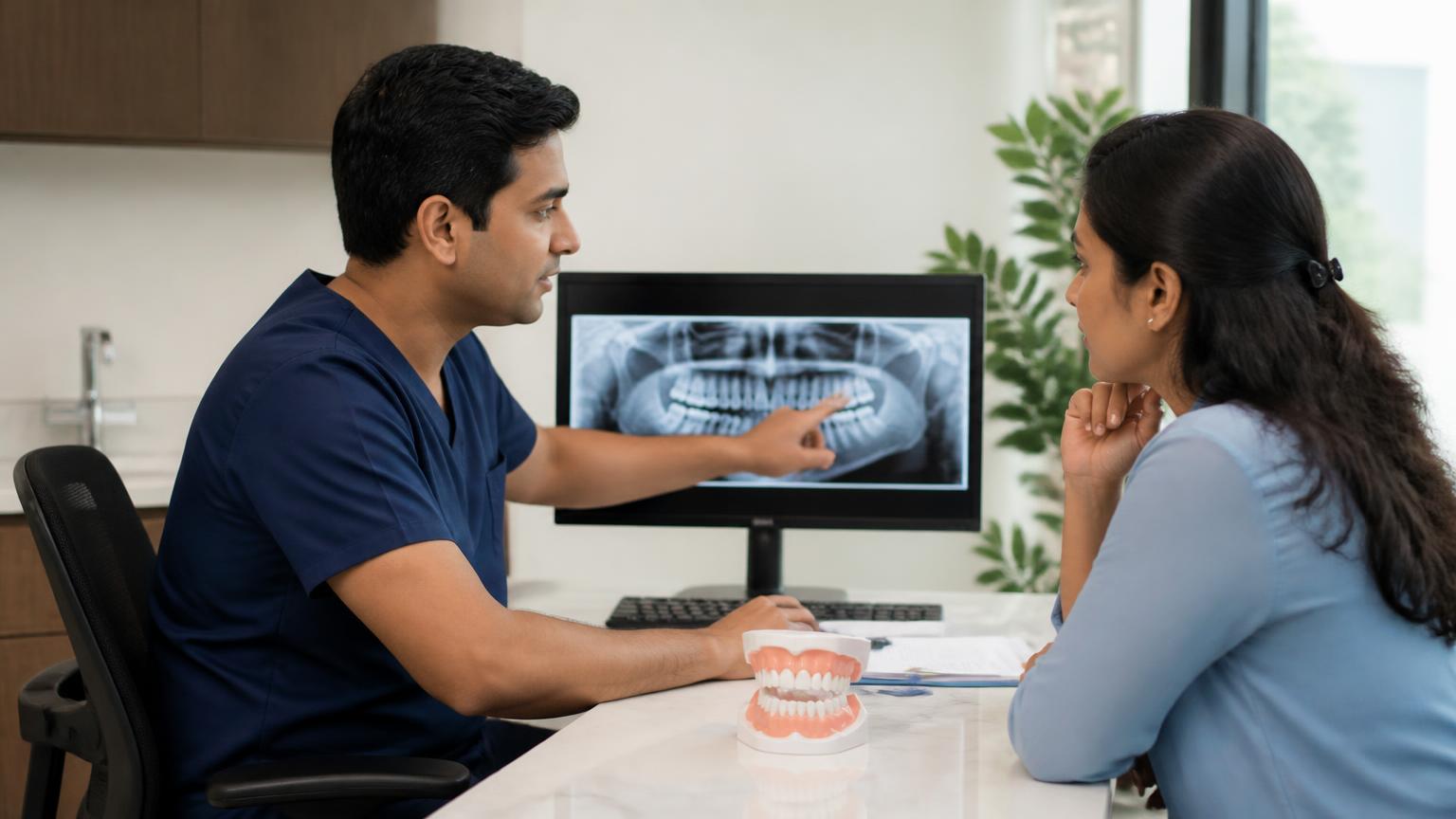
We don't remove a wisdom tooth without a reason
Wisdom tooth removal should begin with a proper assessment.
Your dentist may consider:
- The position of the tooth — we check how the wisdom tooth is growing
- The surrounding teeth — we check whether the wisdom tooth is affecting neighbouring teeth
- Your gums — we look for inflammation or other gum problems
- Your symptoms — pain, swelling and repeated problems are important when planning treatment
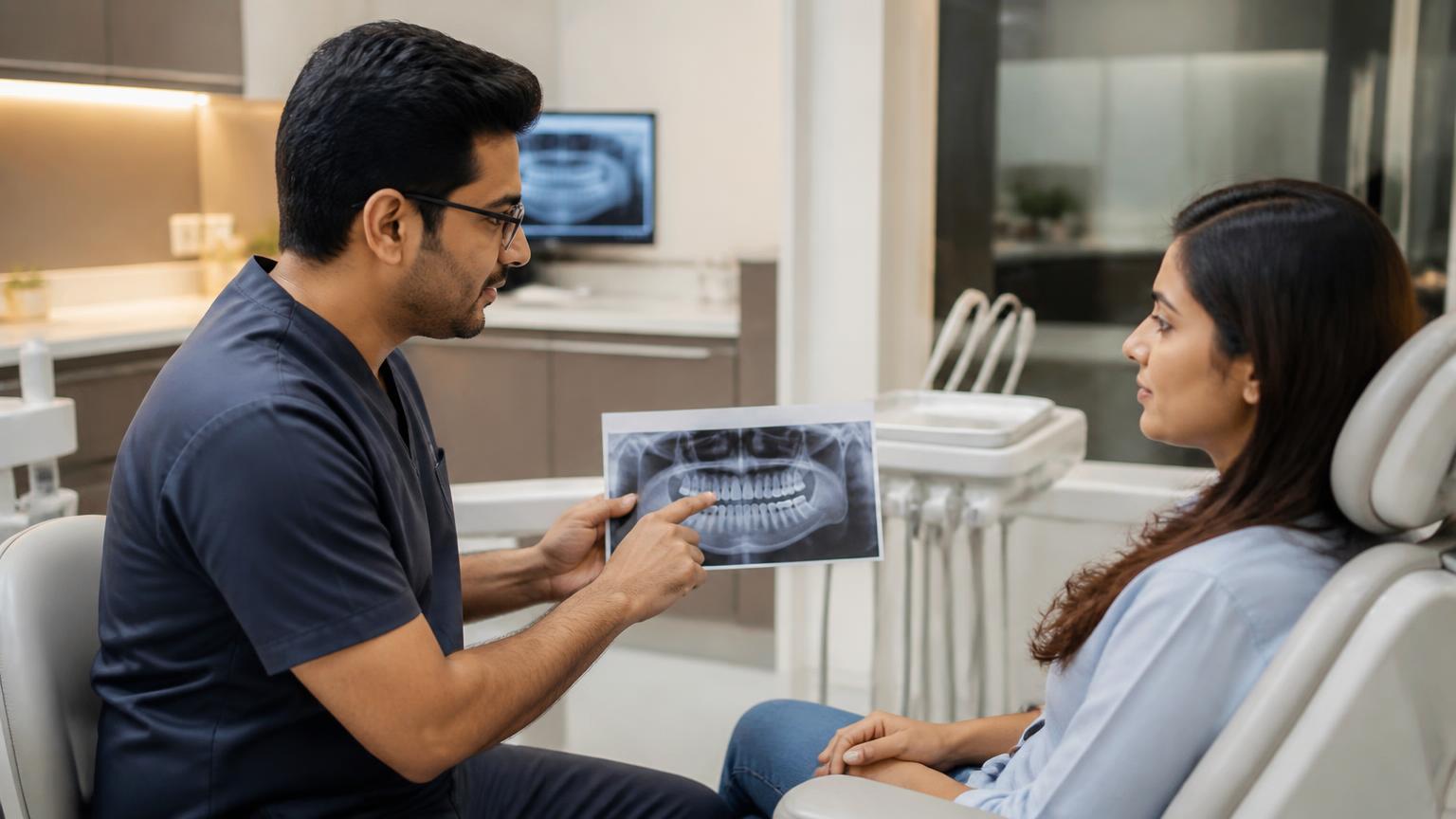
- Dental imaging — appropriate imaging may help your dentist understand the tooth's position and surrounding structures
What happens during wisdom tooth removal?
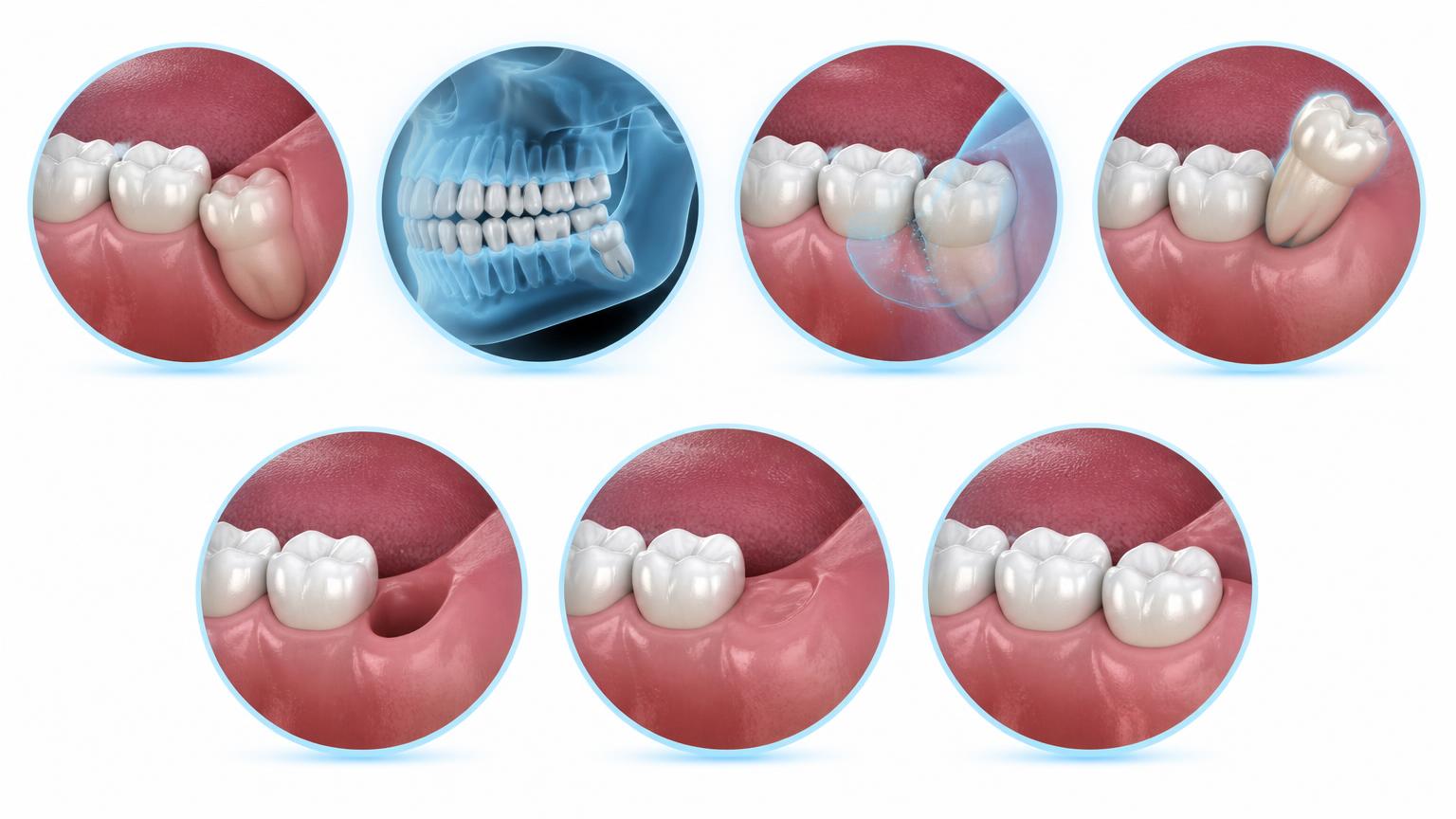
The exact procedure depends on how the wisdom tooth is positioned. It may involve:
- 1ExaminationYour dentist examines the wisdom tooth and reviews appropriate dental imaging.
- 2Treatment planningThe dentist explains why removal may be recommended and discusses the planned procedure.
- 3AnaesthesiaAppropriate anaesthesia is used to numb the area.
- 4Tooth removalThe wisdom tooth is carefully removed. If the tooth is impacted, the procedure may be more involved than removing a fully erupted tooth.
- 5Aftercare instructionsYou receive instructions about eating, cleaning the area and managing your recovery.
- 6Follow-upYour dental team checks your recovery when needed.
Is wisdom tooth removal painful?
Appropriate anaesthesia is used during the procedure to numb the treatment area.
You may experience some soreness, swelling or discomfort after the procedure.
The amount of discomfort can vary depending on the position of the wisdom tooth and the type of removal required.
Your dentist will explain what to expect and provide aftercare instructions.

How long does the procedure take?
The procedure time varies from patient to patient.
It depends on:
- Whether the wisdom tooth has fully erupted
- The position of the tooth
- Whether it is impacted
- The complexity of the removal
- Your individual dental condition
Your dentist can explain what to expect during your consultation.
What can you expect after removal?
Some swelling, soreness or discomfort can occur after wisdom tooth removal.
Your dentist will provide instructions to help you care for the area while it heals.
Recovery can vary depending on the complexity of the procedure and your individual healing.
Follow your dental team's instructions carefully.


Eating after wisdom tooth removal
Your dentist will tell you when and how to return to your normal diet.
Soft foods are often easier to eat during the early recovery period.
Avoid very hot, hard or difficult-to-chew foods if your dental team advises against them.
Follow the specific instructions given to you after your procedure.
How should you clean your mouth after removal?
Keeping your mouth clean is important after wisdom tooth removal.
Your dentist will tell you when to brush around the area and whether any additional cleaning is needed.
Avoid disturbing the healing area.
Follow your dentist's instructions carefully rather than trying to clean the wound aggressively.


Protect the healing area
Your dentist may advise you to avoid certain activities during the early recovery period.
These may include:
- Smoking or tobacco
- Very hard foods
- Disturbing the treatment area
- Strenuous activity for a period recommended by your dentist
Follow the instructions given specifically for your procedure.
Are there risks with wisdom tooth removal?
Like any dental procedure, wisdom tooth removal can have possible risks.
Depending on the tooth and procedure, these may include:
- Pain
- Swelling
- Bleeding
- Infection
- Temporary difficulty opening the mouth
- Temporary or, less commonly, longer-lasting nerve-related symptoms
Your dentist will explain the risks relevant to your particular tooth before treatment.
Dental care with hospital support
Wisdom tooth removal is often straightforward, but some cases can be more complex depending on the position of the tooth and the patient's individual needs.
The Millennium Dental's hospital-backed setting provides added reassurance for patients who may require more complex dental or surgical care.
Your dental team can assess your case and explain what level of care is appropriate.
When should you seek dental care quickly?
Contact a dental professional promptly if you have:
- Significant swelling
- Severe or worsening pain
- Difficulty opening your mouth
- Fever
- Difficulty swallowing
- Difficulty breathing
- Swelling that is spreading
Some dental infections can become serious and need urgent attention. If you have difficulty breathing or swallowing, seek urgent medical care.

Frequently asked questions
Pain at the back of your mouth? Get it checked.
Pain, swelling or repeated problems around a wisdom tooth should not be ignored.
A dental examination can help determine whether the wisdom tooth is causing the problem and whether treatment is needed.
You do not need to decide on removal before your consultation.
Book a wisdom tooth consultation
Is your wisdom tooth causing problems?
Pain, swelling or difficulty around a wisdom tooth can have different causes.
Book a consultation with The Millennium Dental so your dental team can examine the tooth, explain what is happening and discuss whether removal or another treatment is appropriate.
Book a wisdom tooth consultationThe Millennium Dental — hospital-backed dental care in Navi Mumbai.