
Hospital-backed dental care in Navi Mumbai
Restore damaged or missing teeth with crowns & bridges
A damaged, weak, or missing tooth can affect your smile and make eating uncomfortable.
Dental crowns can protect and restore damaged teeth, while dental bridges can replace one or more missing teeth.
At The Millennium Dental, your dentist will examine your teeth and recommend the most suitable option based on your dental needs.
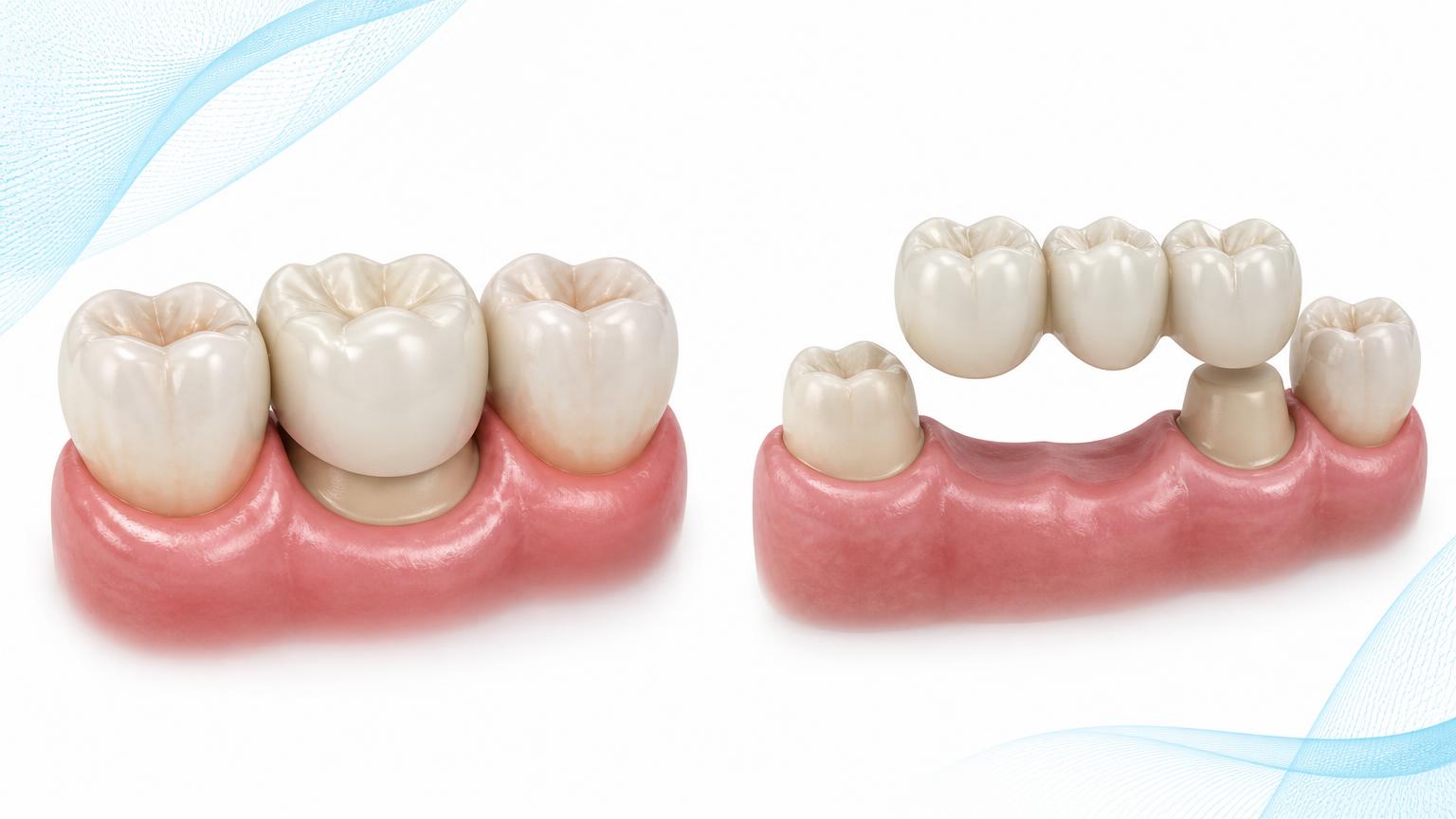
Damaged or missing teeth can affect everyday life
A tooth that is cracked, weakened, badly worn or damaged may make chewing uncomfortable.
A missing tooth can also affect your smile and the way your remaining teeth come together.
Crowns and bridges are two common options used to restore or replace teeth, depending on the condition of your mouth.

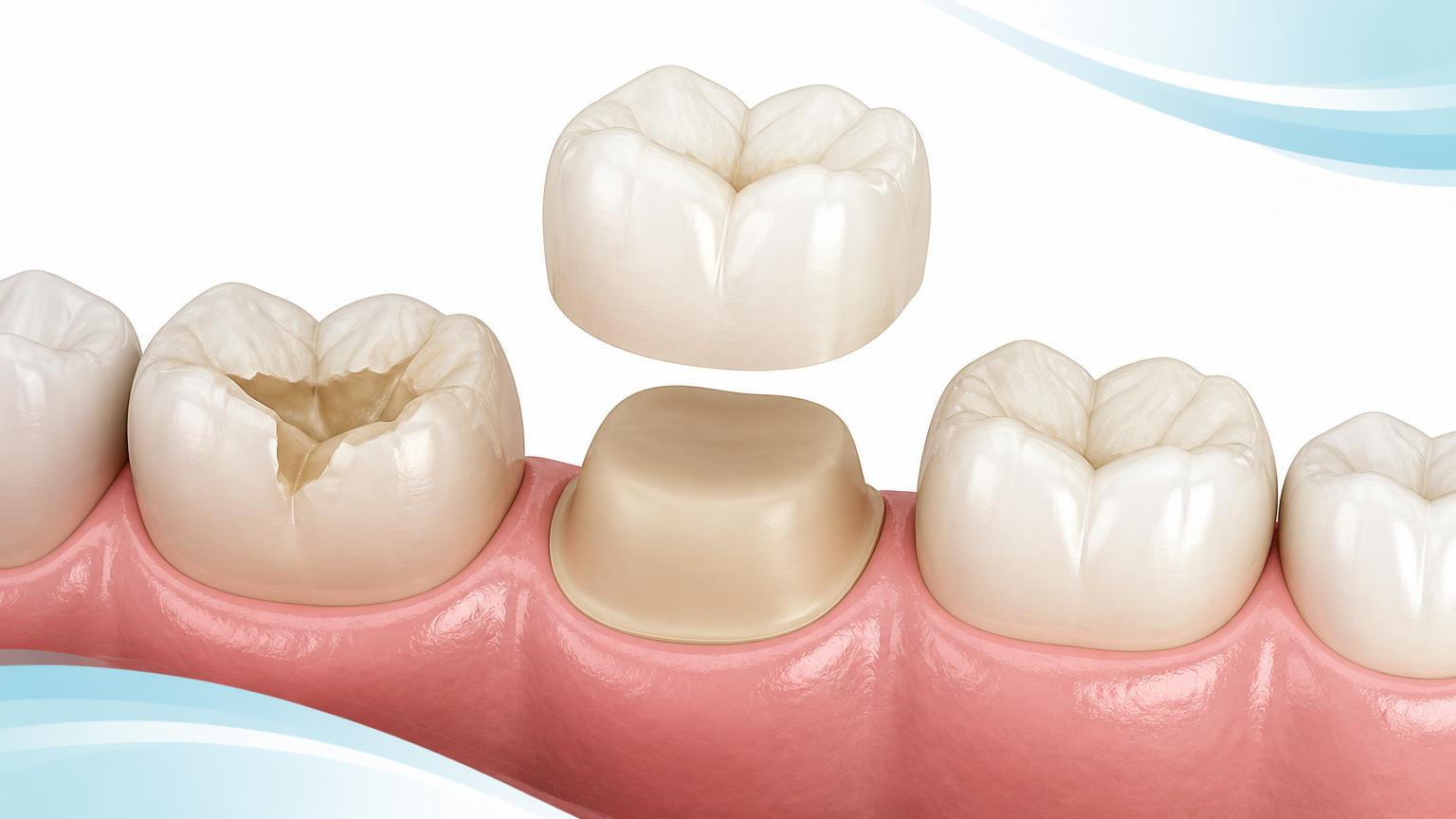
What is a dental crown?
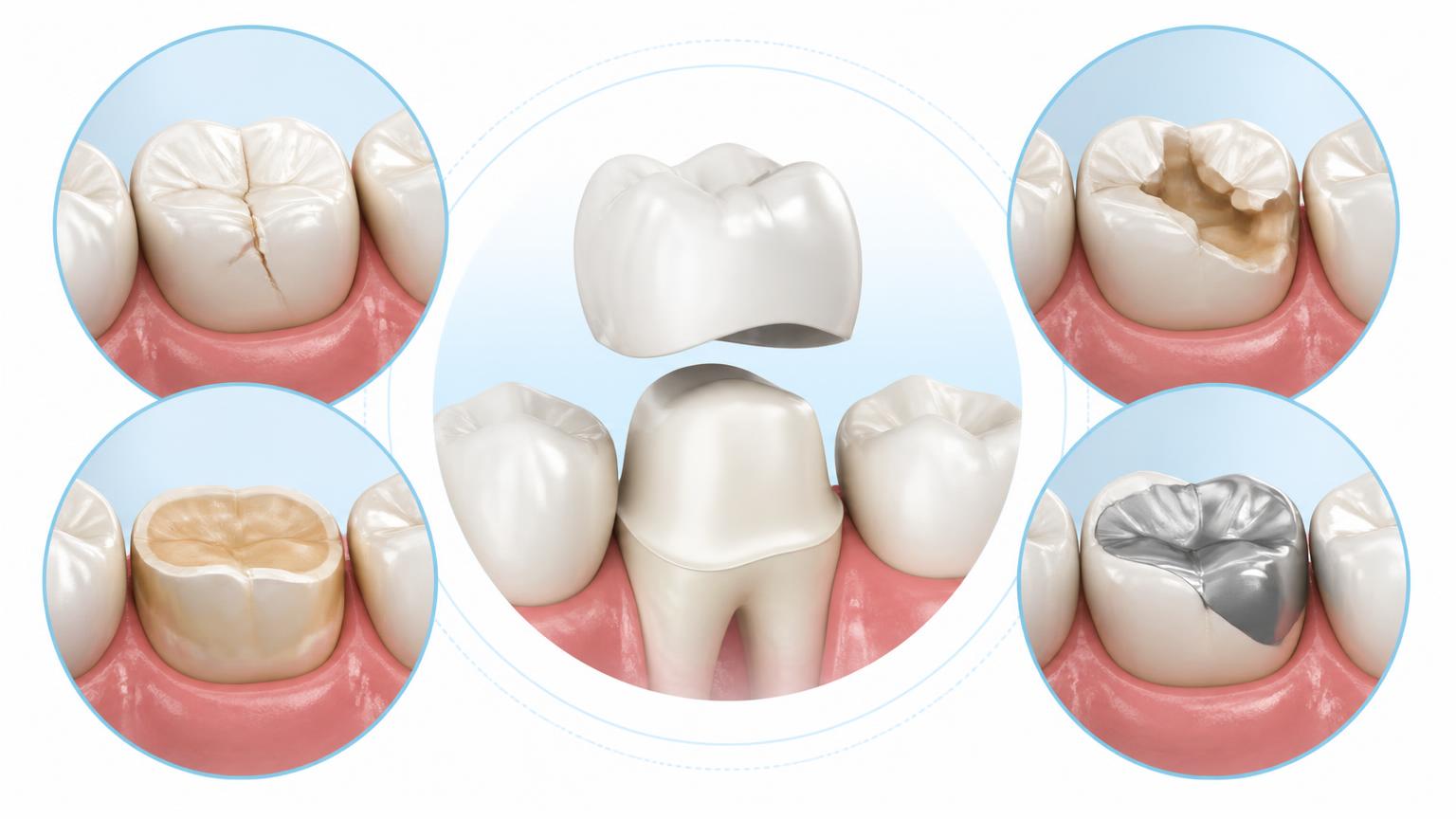
A dental crown is a custom-made covering that fits over a damaged or weakened tooth.
It can help restore the tooth's shape, strength and function.
A crown may be considered when a tooth has been significantly damaged by decay, cracks, large fillings or other problems.
Your dentist will first check whether the tooth can be restored and whether a crown is suitable.
What is a dental bridge?
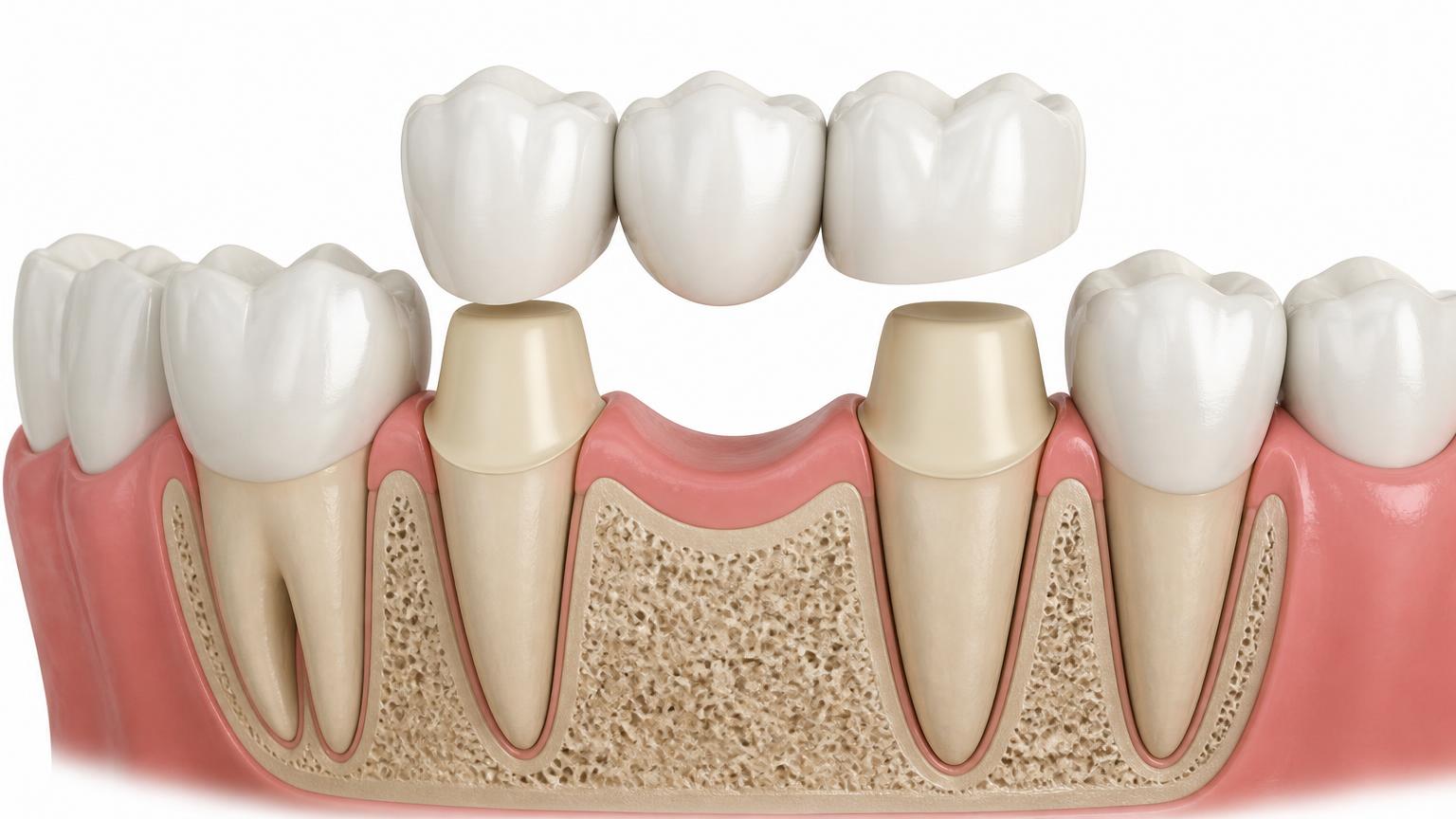
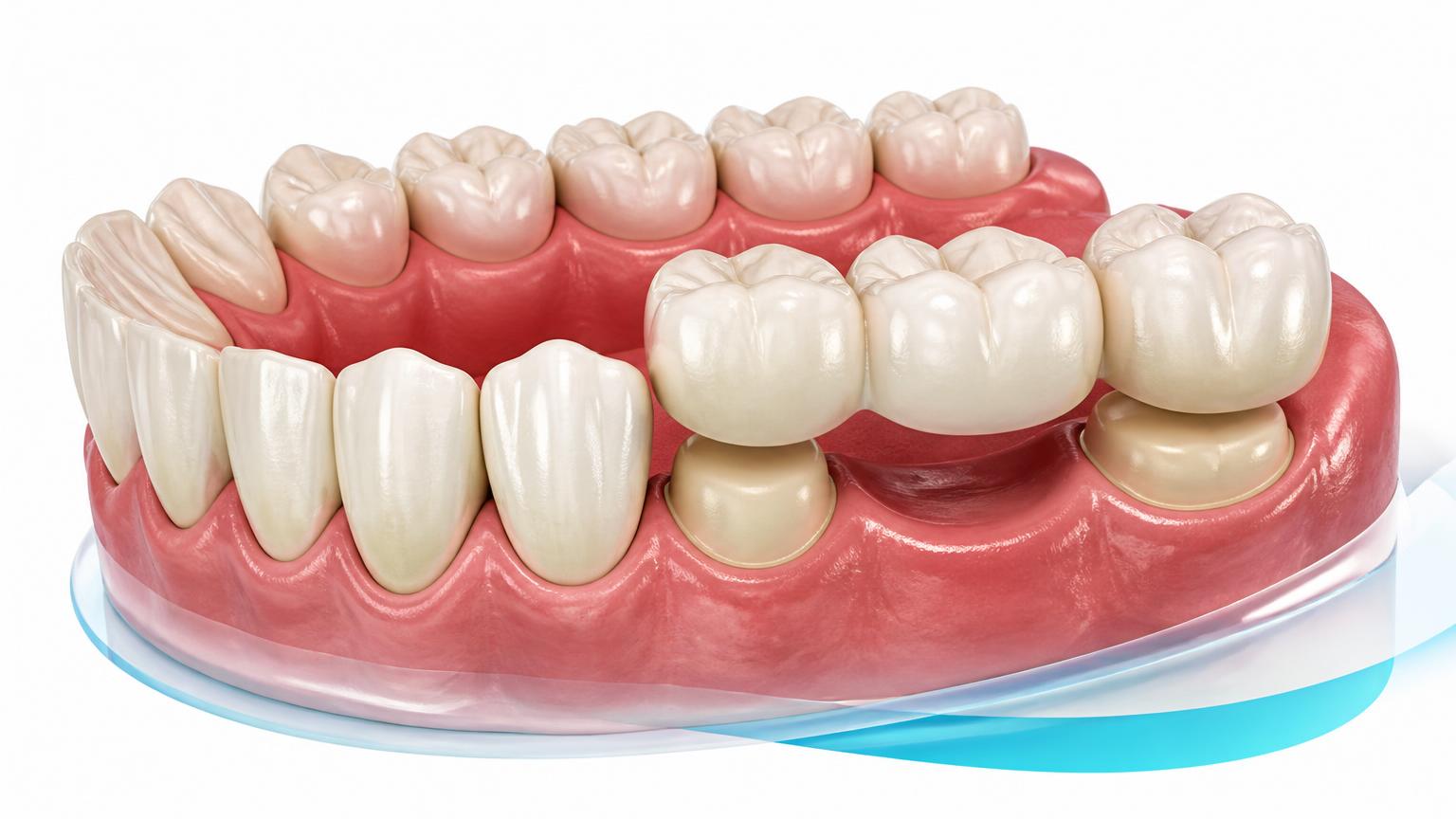
A dental bridge is a fixed dental restoration used to replace one or more missing teeth.
A traditional bridge may use the teeth next to the missing space to support the replacement tooth.
The replacement tooth sits in the space where the missing tooth was.
Not every bridge is the same. Your dentist will recommend the type that is appropriate for your teeth and gums.
Which one do you need?
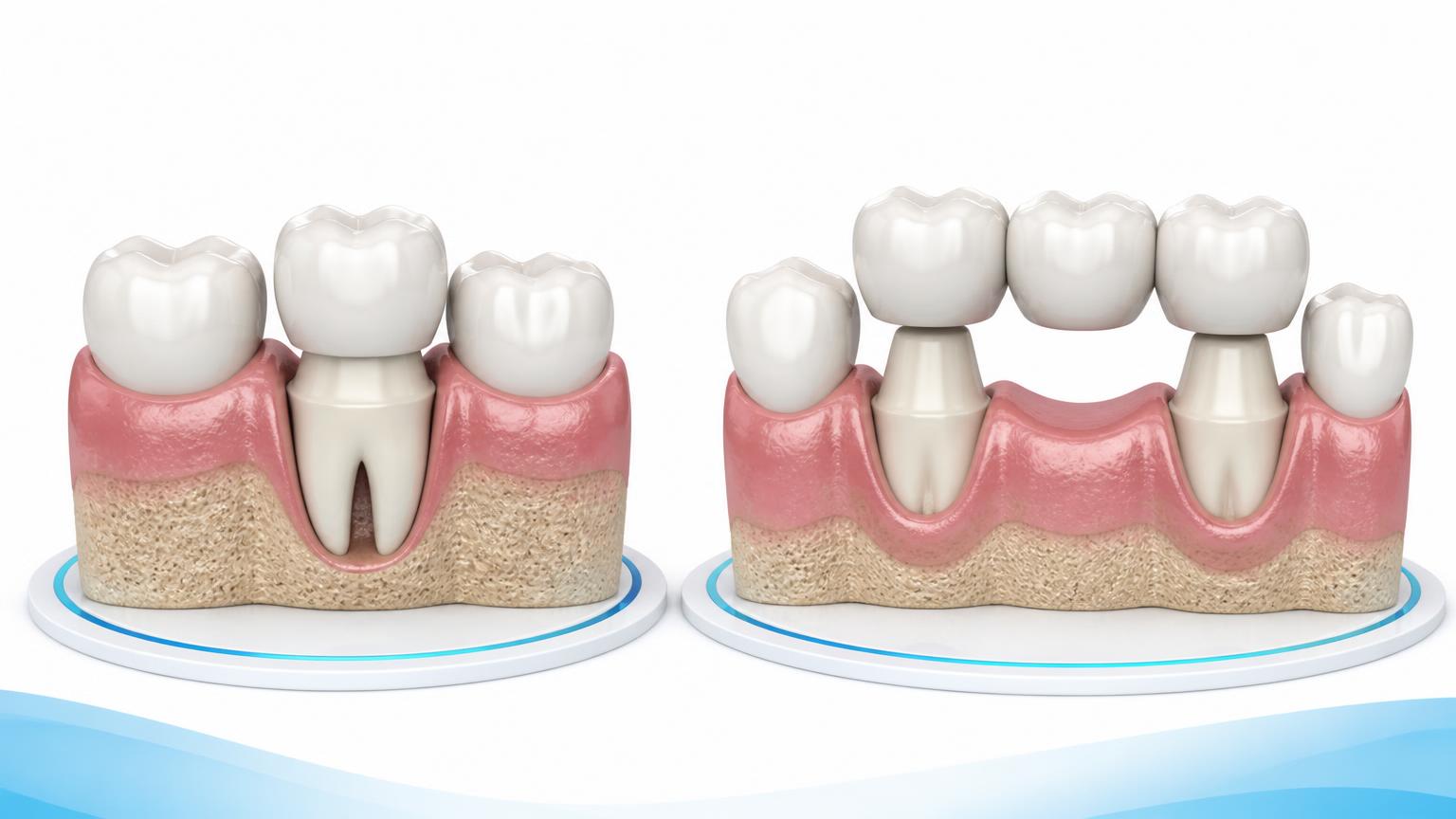
A crown and a bridge solve different dental problems.
A crown
A crown is usually used to restore and protect a damaged or weakened tooth that is still present.
A bridge
A bridge is used to replace a missing tooth or several missing teeth.
Your dentist will examine your teeth, gums and bite before recommending the right option.
When might you need a dental crown?
A crown may be considered when a tooth is:
- Weak or badly damaged
- Cracked or broken
- Heavily worn
- Weakened after certain dental treatments
- Damaged by decay
- Supporting a large filling and needs additional protection
A crown is not automatically needed for every damaged tooth. Your dentist will check the condition of the tooth before recommending one.
When might you need a dental bridge?
A bridge may be considered when:
- One or more teeth are missing
- The neighbouring teeth can support the bridge
- A fixed replacement is preferred
- Your dentist determines that a bridge is suitable for your oral health
There are different types of bridges. Your dentist will recommend the option that best suits your teeth, gums and bite.
We look at the whole picture
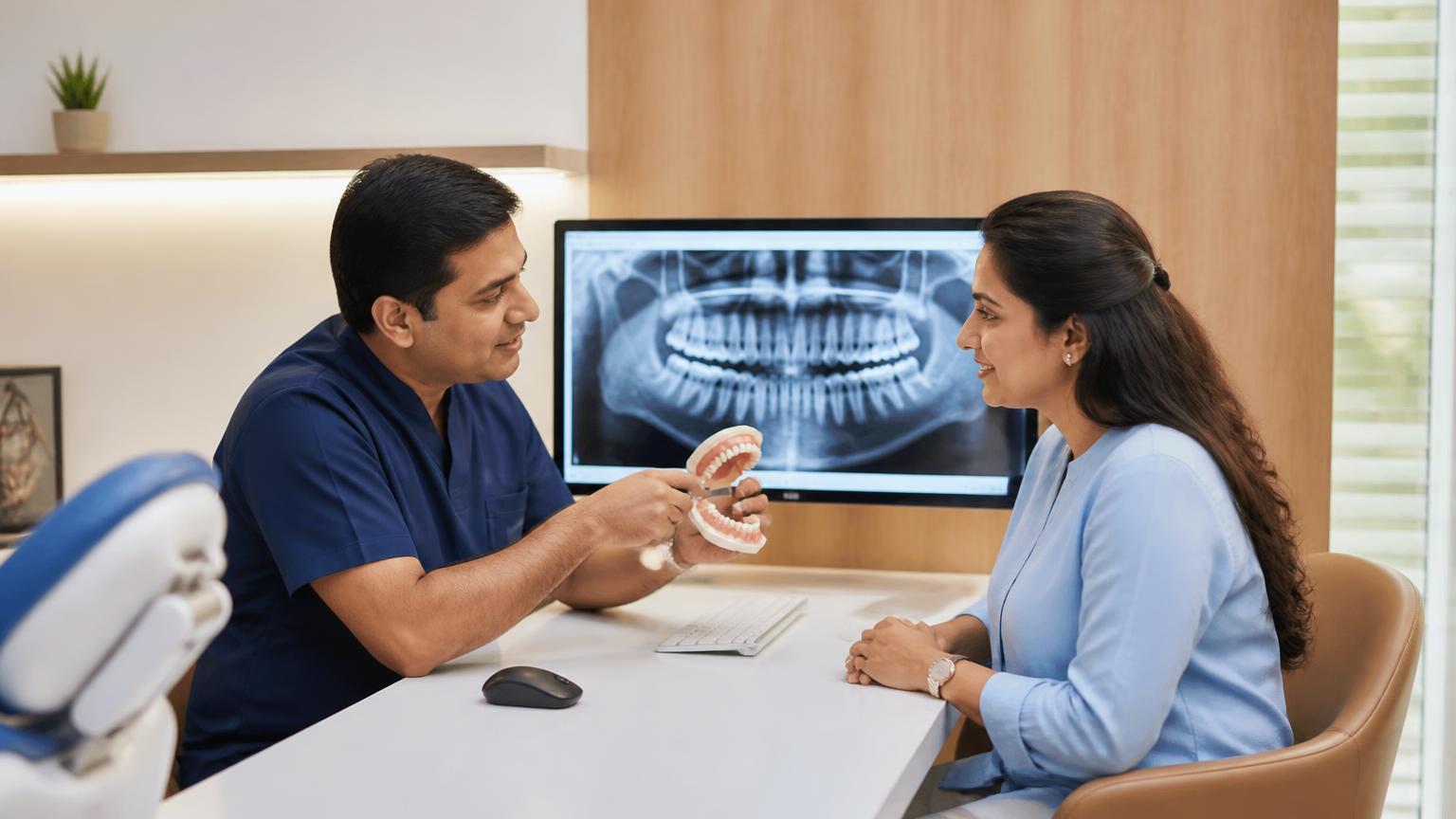
Before recommending a crown or bridge, your dentist looks beyond the damaged or missing tooth. We may assess:
- The tooth
- We check how much healthy tooth structure remains.
- Your gums
- Healthy gums are important for supporting your teeth and restorations.
- Your bite
- Your bite affects how much pressure the crown or bridge will receive.
- Neighbouring teeth
- For some bridges, the surrounding teeth may need to provide support.
- Your overall dental health
- Other dental problems may need attention before the restoration is placed.
What happens when you get a crown?
The exact process can vary, but it usually involves several steps.
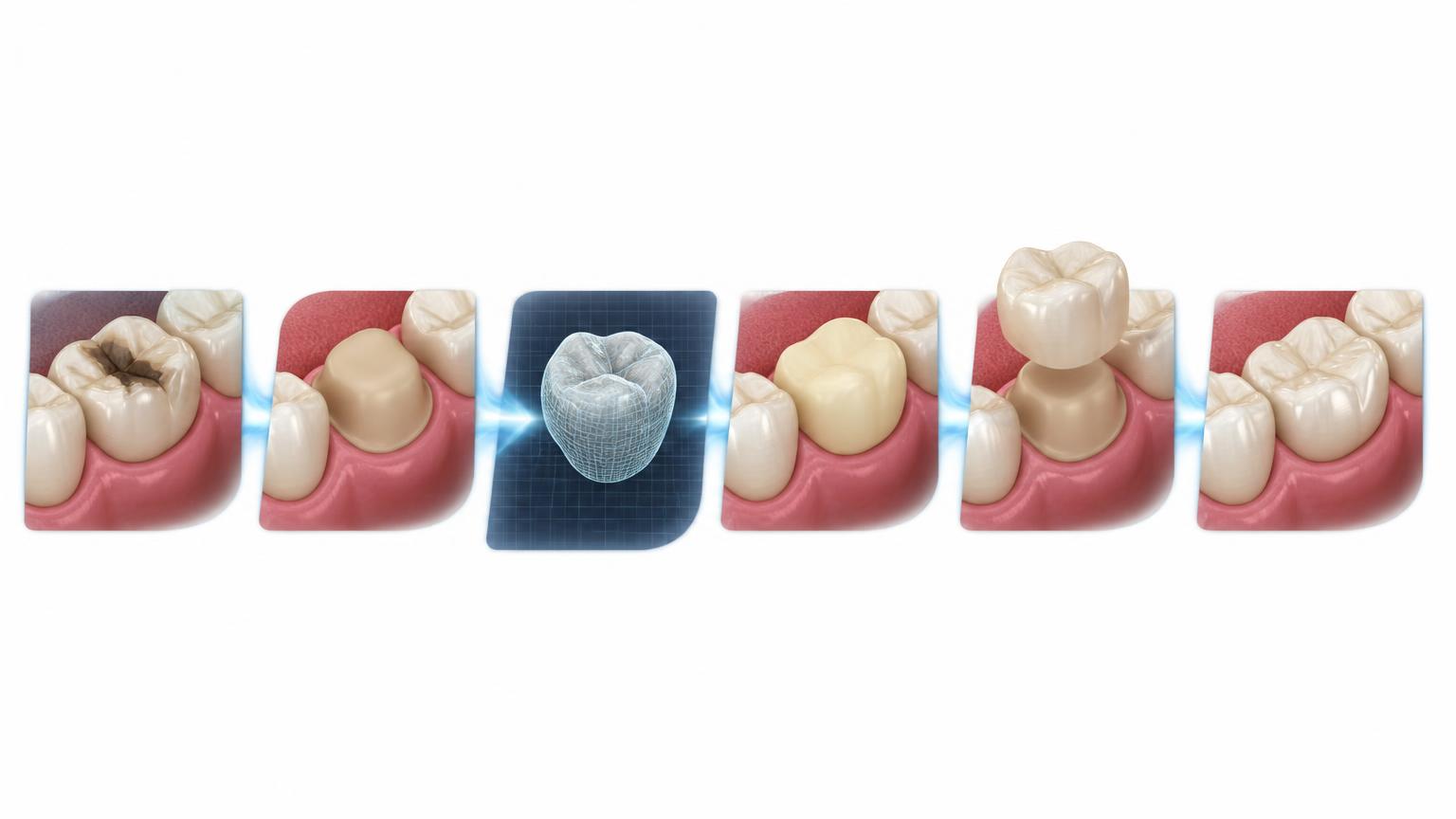
- 1
Examination
Your dentist examines the tooth and checks whether a crown is suitable.
- 2
Tooth preparation
The tooth may need to be carefully shaped so the crown can fit properly.
- 3
Taking measurements
Your dentist or dental laboratory takes the information needed to create a crown that fits your tooth and bite.
- 4
Temporary protection
In some cases, a temporary restoration may be used while the final crown is being prepared.
- 5
Final crown
Once the crown is ready, your dentist checks its fit, shape and bite before placing it.
- 6
Follow-up
Your dentist checks the restored tooth and gives you advice on caring for it.
What happens when you get a bridge?
The process depends on the type of bridge you need. It may include:
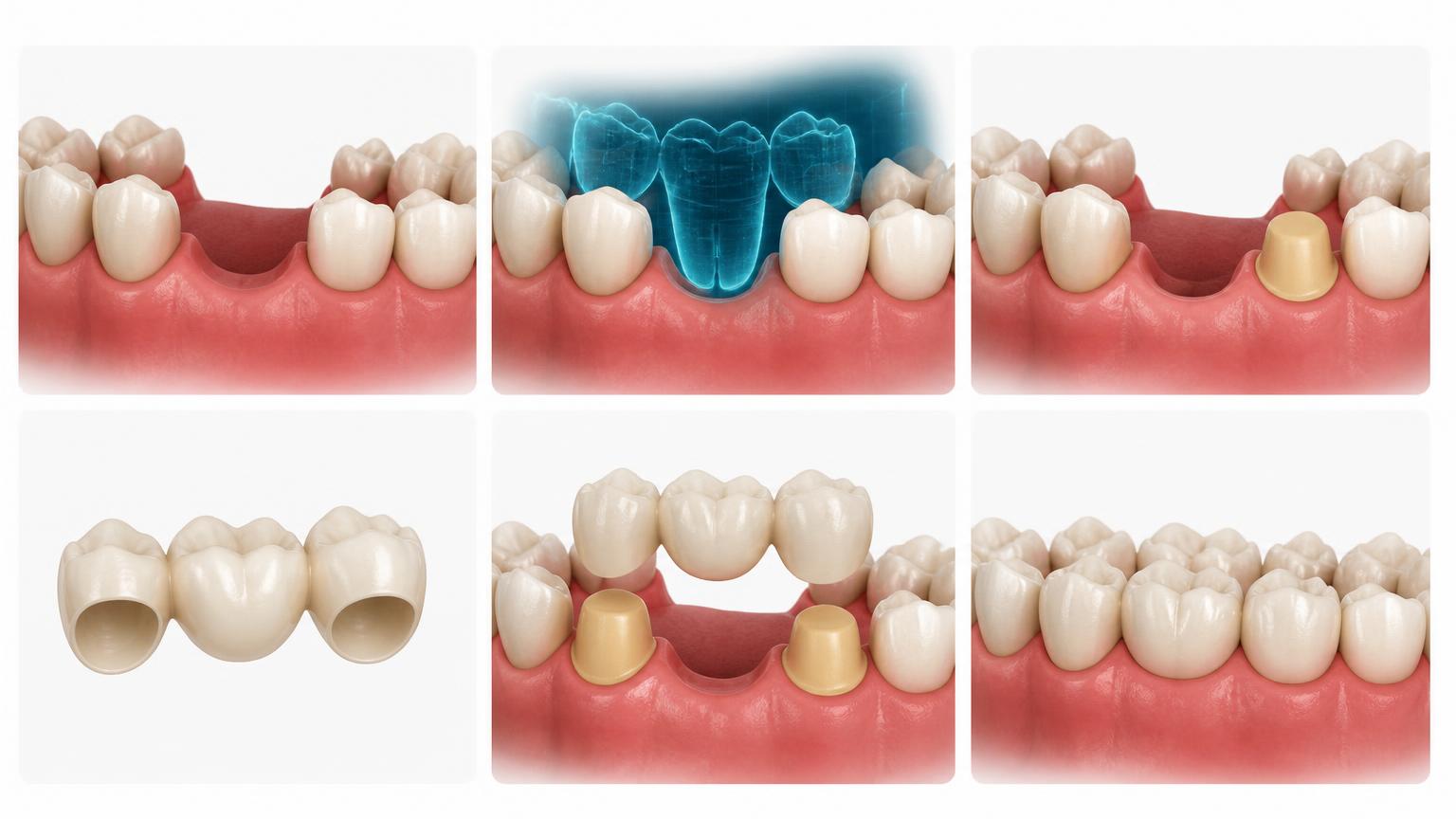
- 1
Examination
Your dentist checks the missing space, neighbouring teeth, gums and bite.
- 2
Treatment planning
The dentist decides which type of bridge may be suitable.
- 3
Preparing the supporting teeth
For some types of bridges, the supporting teeth need to be prepared.
- 4
Creating the bridge
Measurements are taken so the bridge can be made to fit your mouth.
- 5
Fitting the bridge
Your dentist checks the fit, appearance and bite before securing the bridge.
- 6
Follow-up
You will receive instructions on cleaning and caring for your bridge.
How can a crown help?
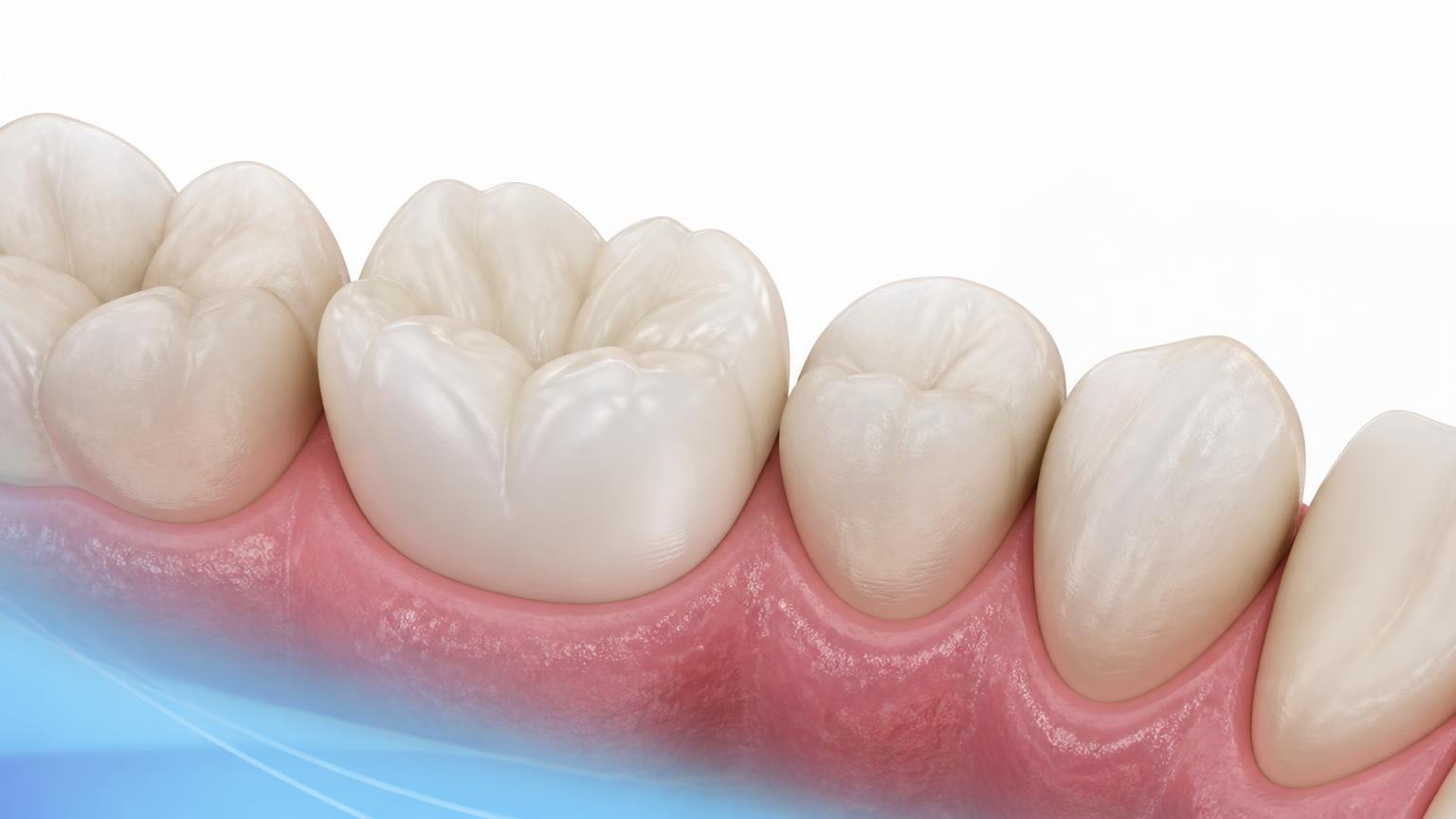
A dental crown can help:
- Restore a damaged tooth
- Protect a weakened tooth
- Restore the tooth's shape
- Improve chewing function
- Improve the appearance of a damaged tooth
- Support a tooth that has lost significant structure
The benefits depend on the condition of the tooth and your individual treatment plan.
How can a bridge help?
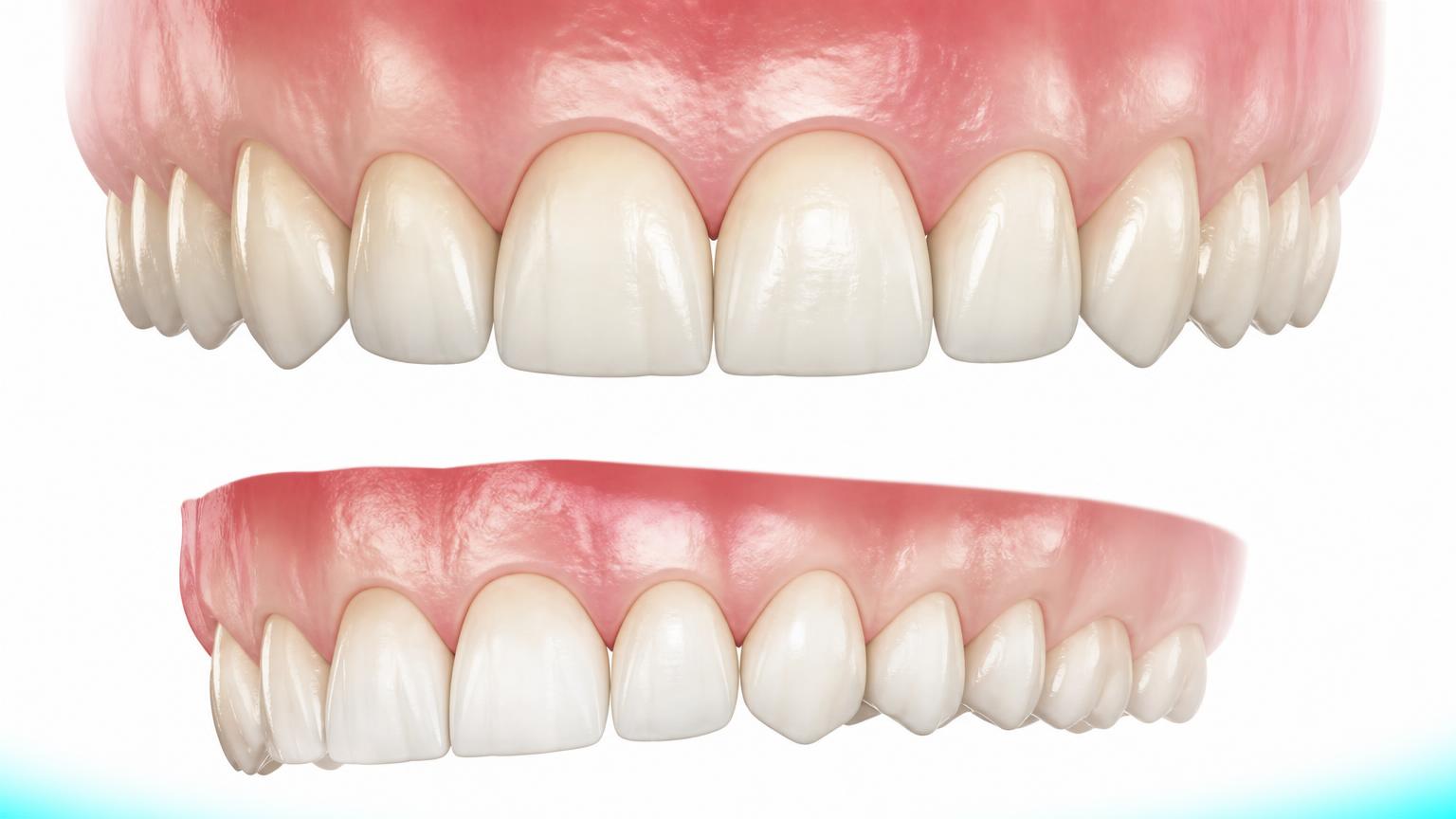
A dental bridge can help:
- Replace a missing tooth
- Restore part of your chewing function
- Fill the visible gap in your smile
- Provide a fixed tooth replacement in suitable cases
- Help restore the appearance of your teeth
Your dentist will determine whether a bridge is appropriate for you.

Is getting a crown or bridge painful?
Your dentist will use appropriate anaesthesia when needed during treatment.
You may experience some sensitivity or tenderness after treatment, especially if the tooth has recently been treated.
This is often temporary.
If you experience severe or continuing pain, contact your dentist so the tooth can be checked.
How long does crown or bridge treatment take?
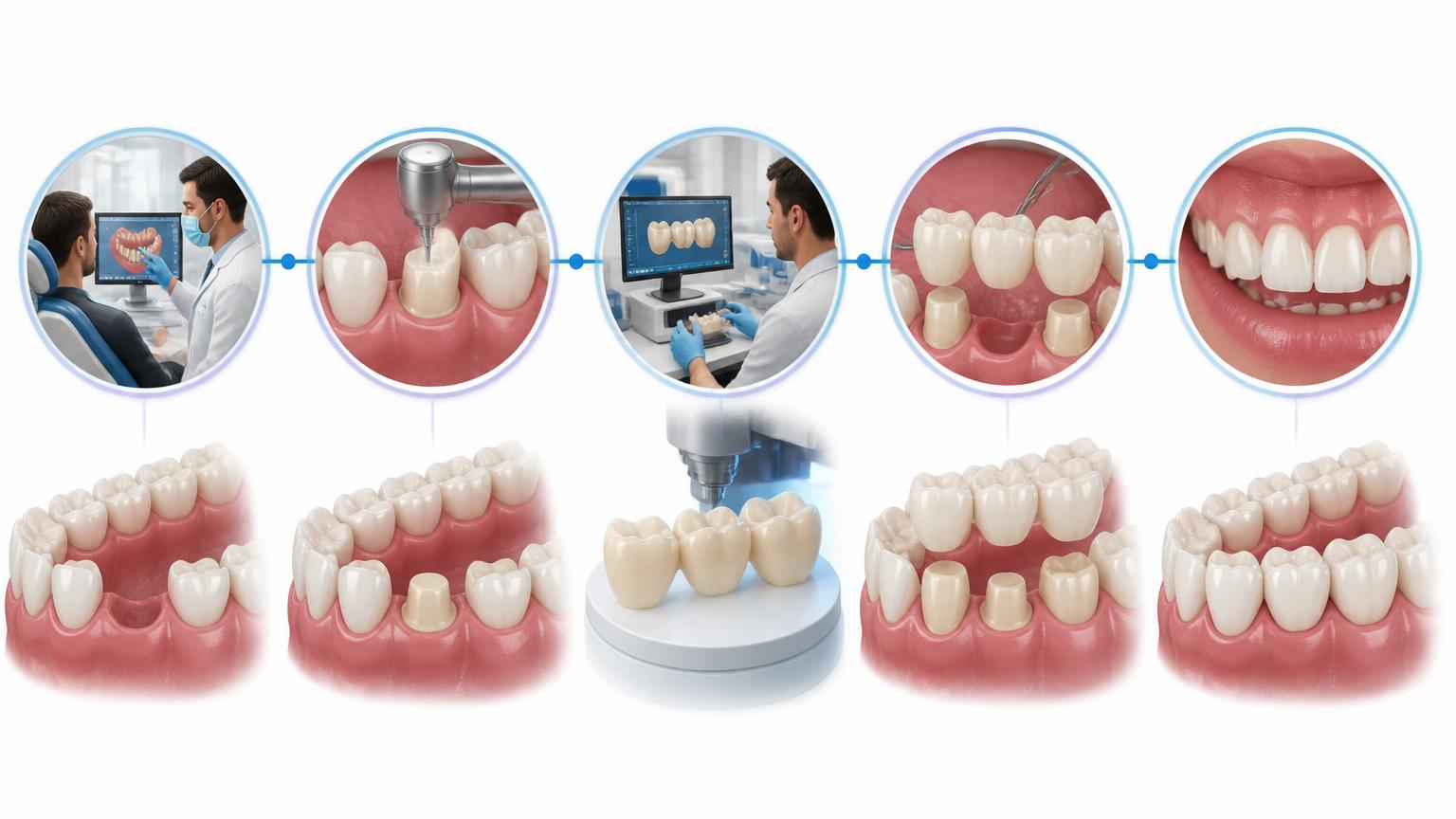
Treatment time depends on your dental condition and the type of restoration you need. It may depend on:
- The condition of the tooth or teeth
- Whether other dental treatment is needed first
- The type of crown or bridge
- Laboratory preparation time
- Your individual treatment plan
Your dentist can explain the expected number of visits and timeline during your consultation.

How long can they last?
Crowns and bridges can provide long-term dental restoration, but they do not last forever. Their lifespan can depend on:
- Oral hygiene
- Gum health
- Bite forces
- Teeth grinding
- The condition of supporting teeth
- The type and quality of restoration
- Regular dental check-ups
Taking good care of your teeth and attending regular dental visits can help protect your restoration.
How should you care for your crown or bridge?
A crown or bridge needs the same careful daily attention as your natural teeth. You should:
- Brush twice a day
- Clean between your teeth
- Follow your dentist's cleaning instructions
- Avoid using your teeth to open hard objects or packages
- Attend regular dental check-ups
- Tell your dentist if the restoration feels loose, painful or unusual
Good oral hygiene helps protect the teeth and gums around your restoration.


Your dentist can help you choose
A crown and a bridge are designed for different situations.
If a tooth is damaged but can still be restored, a crown may be an option.
If a tooth is missing, a bridge may be one option for replacing it.
Other treatments may also be available.
Your dentist will explain the choices and help you understand which option may be appropriate for your teeth and long-term oral health.
Frequently asked questions
Don't ignore a damaged or missing tooth
If you have a broken, weakened or missing tooth, it is worth getting it checked.
Early assessment can help your dentist understand the condition of the tooth and discuss the available treatment options.
You do not have to decide on a crown or bridge before your consultation.

Ready to restore your smile?
Whether you have a damaged tooth or a missing tooth, the first step is understanding your options.
Book a consultation with The Millennium Dental and let our dental team assess your teeth and explain the treatment options suitable for you.
The Millennium Dental — hospital-backed dental care in Navi Mumbai.