
Hospital-backed dental care in Navi Mumbai
A brighter, more confident smile
Teeth can become darker or stained over time because of food, drinks, tobacco, age and other factors.
Professional teeth whitening can help lighten the colour of natural teeth and reduce certain types of staining.
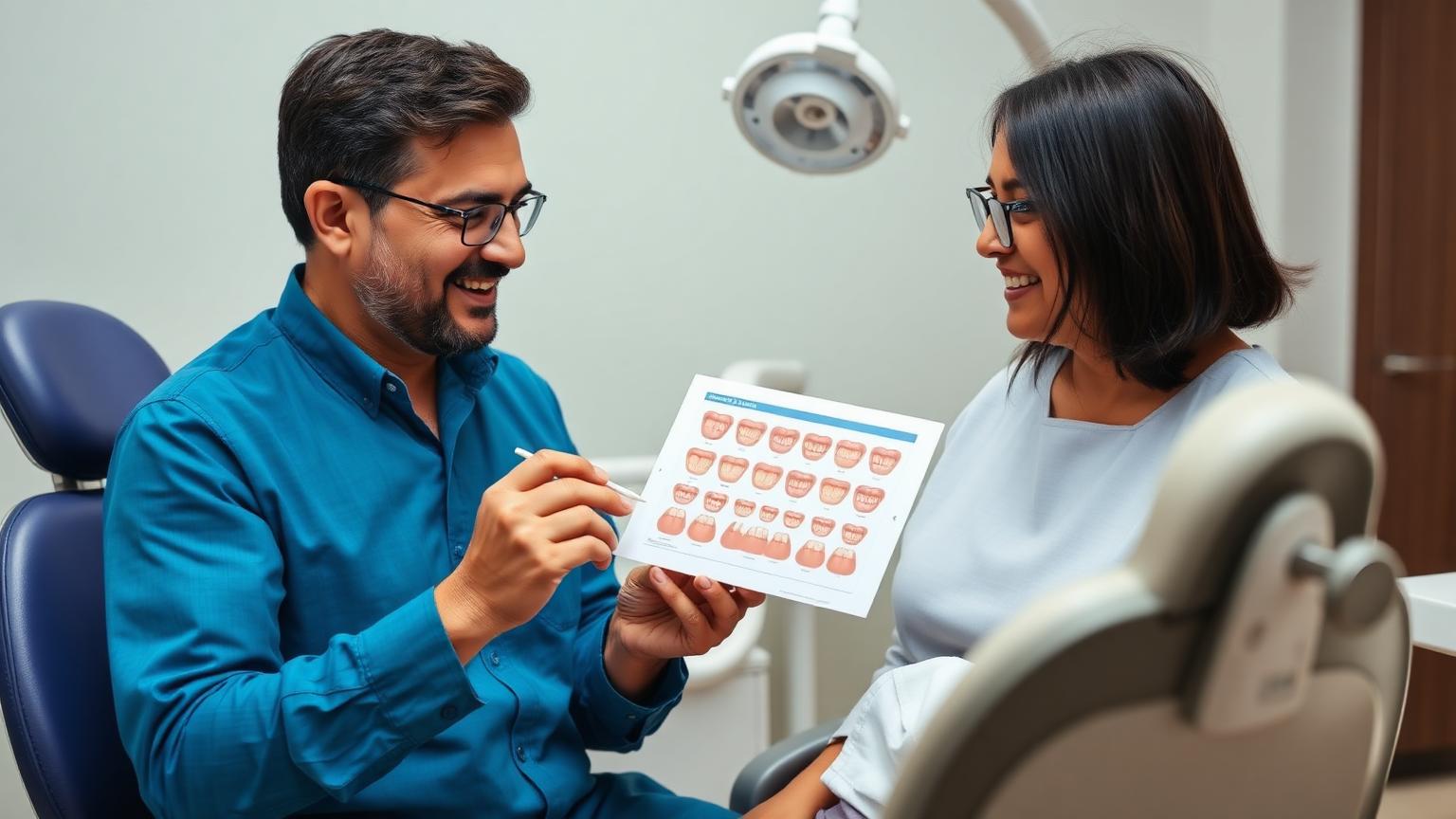
At The Millennium Dental, your dentist can first check your teeth and gums and help you understand whether whitening is suitable for you.

Why do teeth become stained?
Teeth can naturally become darker over time. Common reasons include:
- Tea and coffee
- Certain foods and drinks
- Tobacco use
- Age-related changes
- Certain types of staining
- Natural differences in tooth colour
Some stains are easier to whiten than others. Your dentist can examine your teeth and help identify the likely cause of the discolouration before recommending treatment.
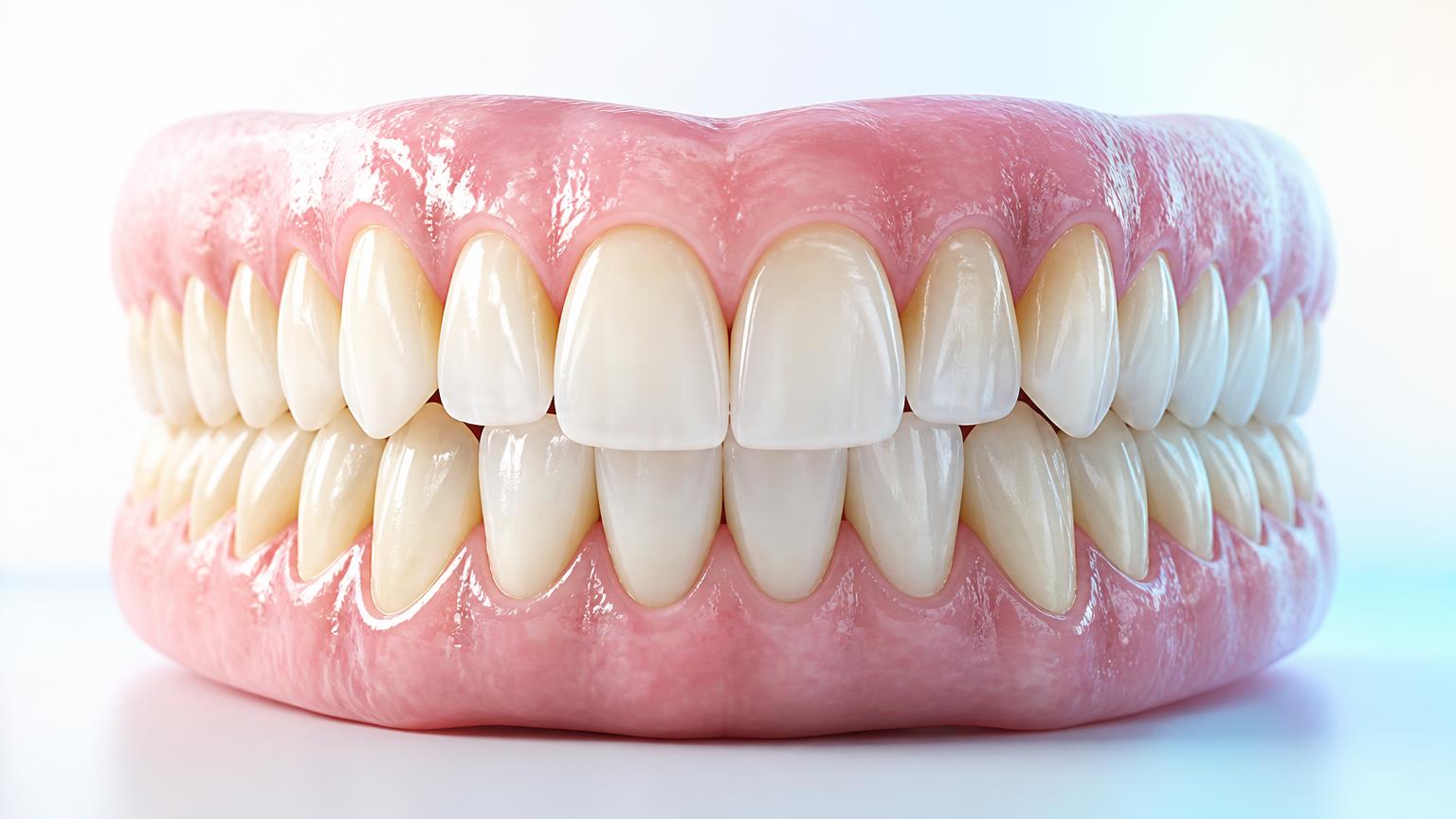
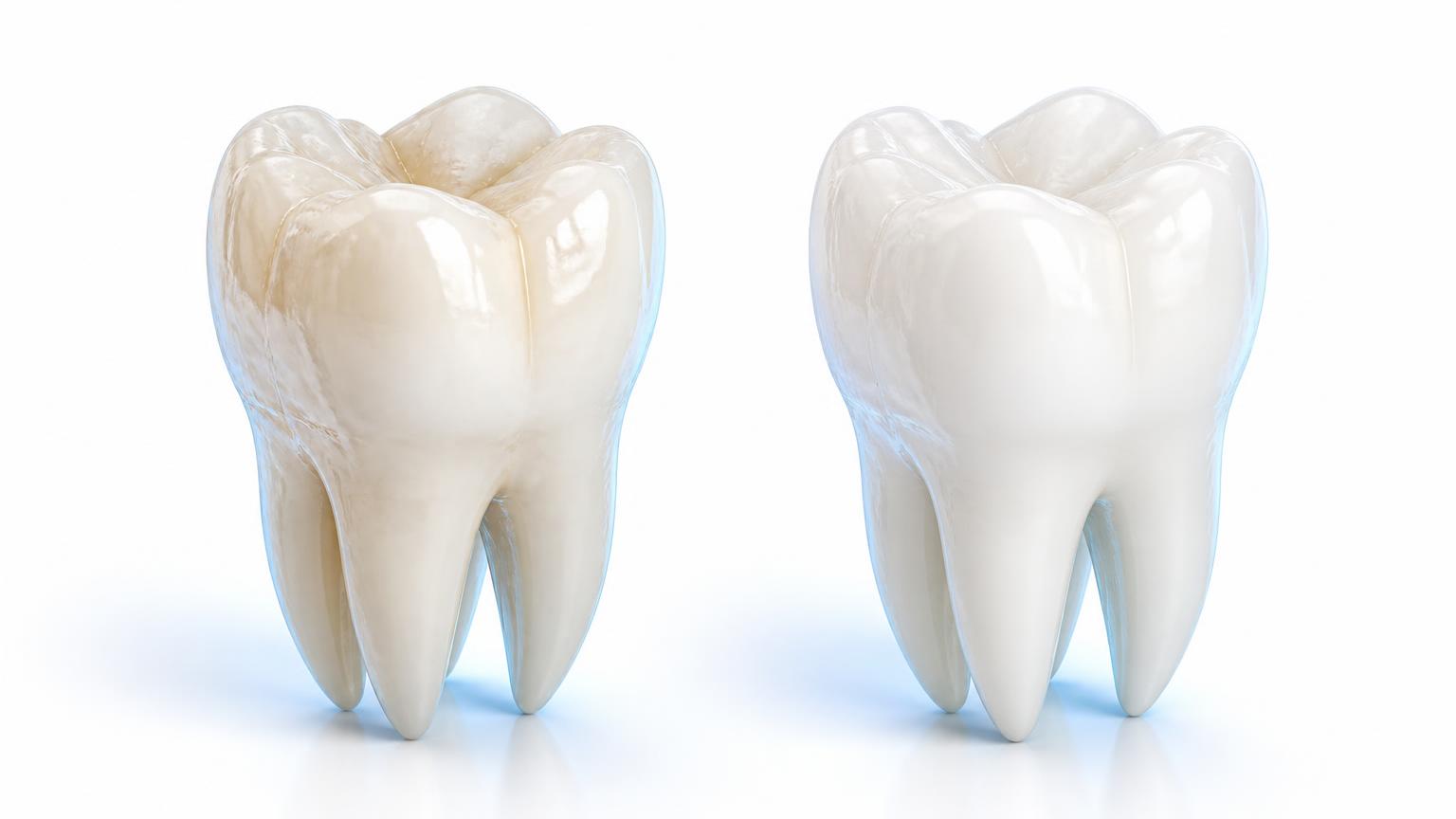
What is professional teeth whitening?
Teeth whitening is a cosmetic dental treatment that helps lighten the colour of natural teeth.
Whitening products use a whitening agent to break down certain stains and discolouration.
The treatment may be provided in the dental clinic or through a dentist-guided home whitening approach, depending on your treatment plan.
Your dentist will explain which option is appropriate for you.
Is teeth whitening right for you?
Professional teeth whitening may be suitable for adults who want to improve the colour of their natural teeth.
It may be considered if your teeth have become darker or stained over time.
However, whitening is not suitable for every person or every type of tooth discolouration.
Your dentist should check your teeth and gums before treatment.
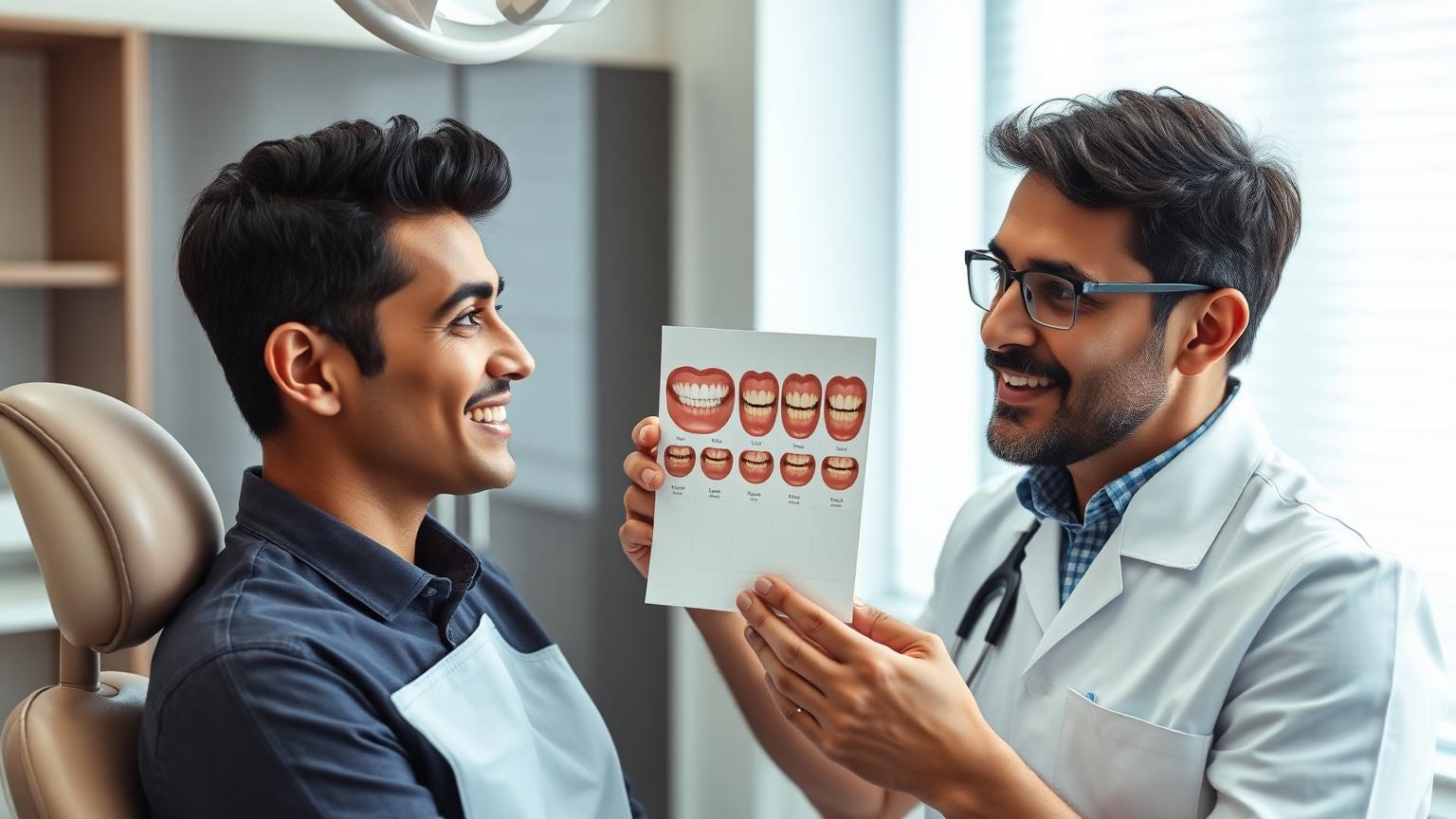
Your teeth should be checked first
Teeth whitening is not simply about making teeth lighter. Before treatment, your dentist may check:
Your teeth
Cavities, cracks or other dental problems may need attention first.
Your gums
Healthy gums are important before cosmetic treatment.
Existing dental work
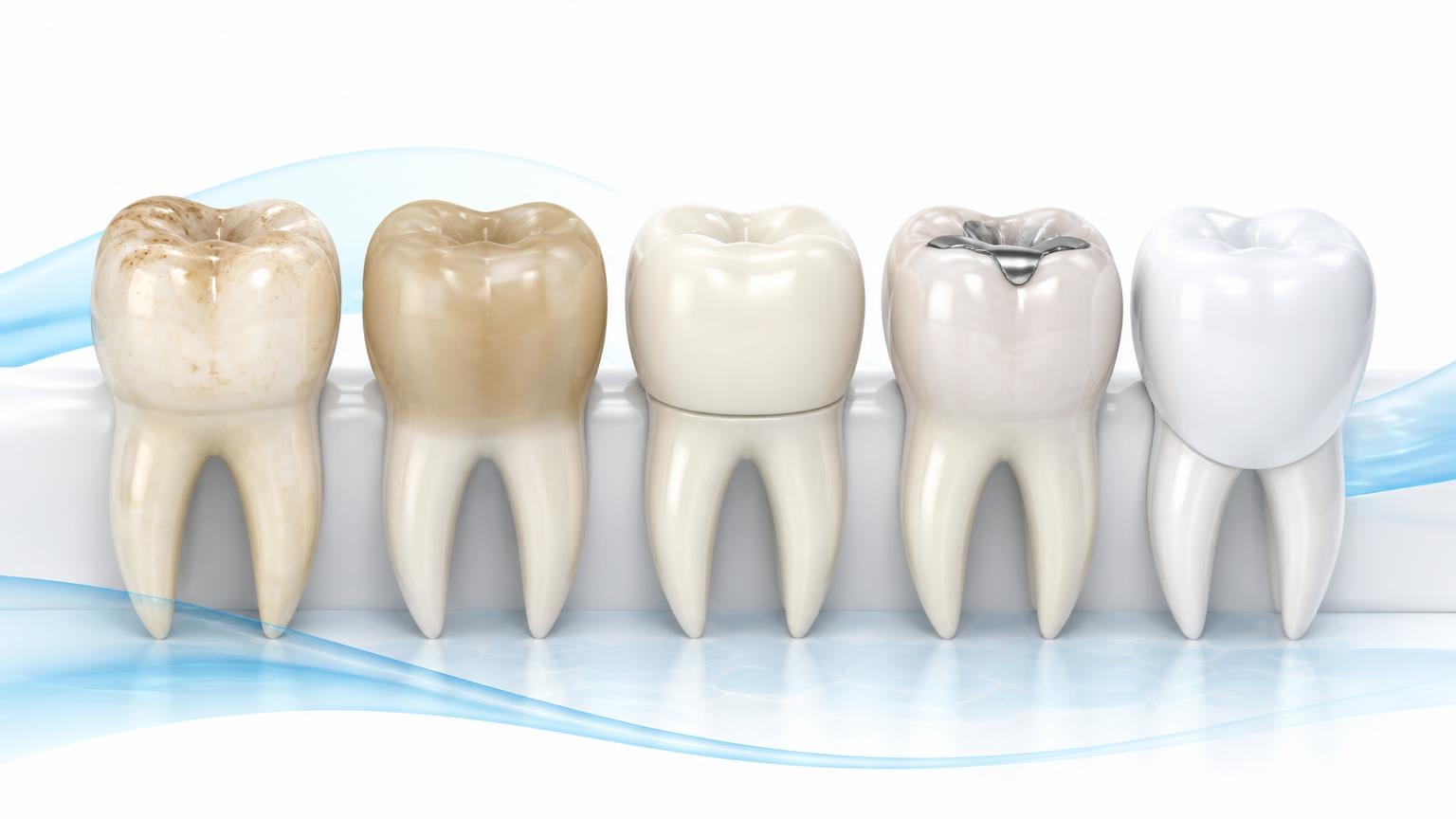
Crowns, bridges, fillings and veneers do not whiten in the same way as natural teeth.
The type of staining
Different types of discolouration respond differently to whitening.
Your expectations
Your dentist can explain what level of whitening may be realistic for you.

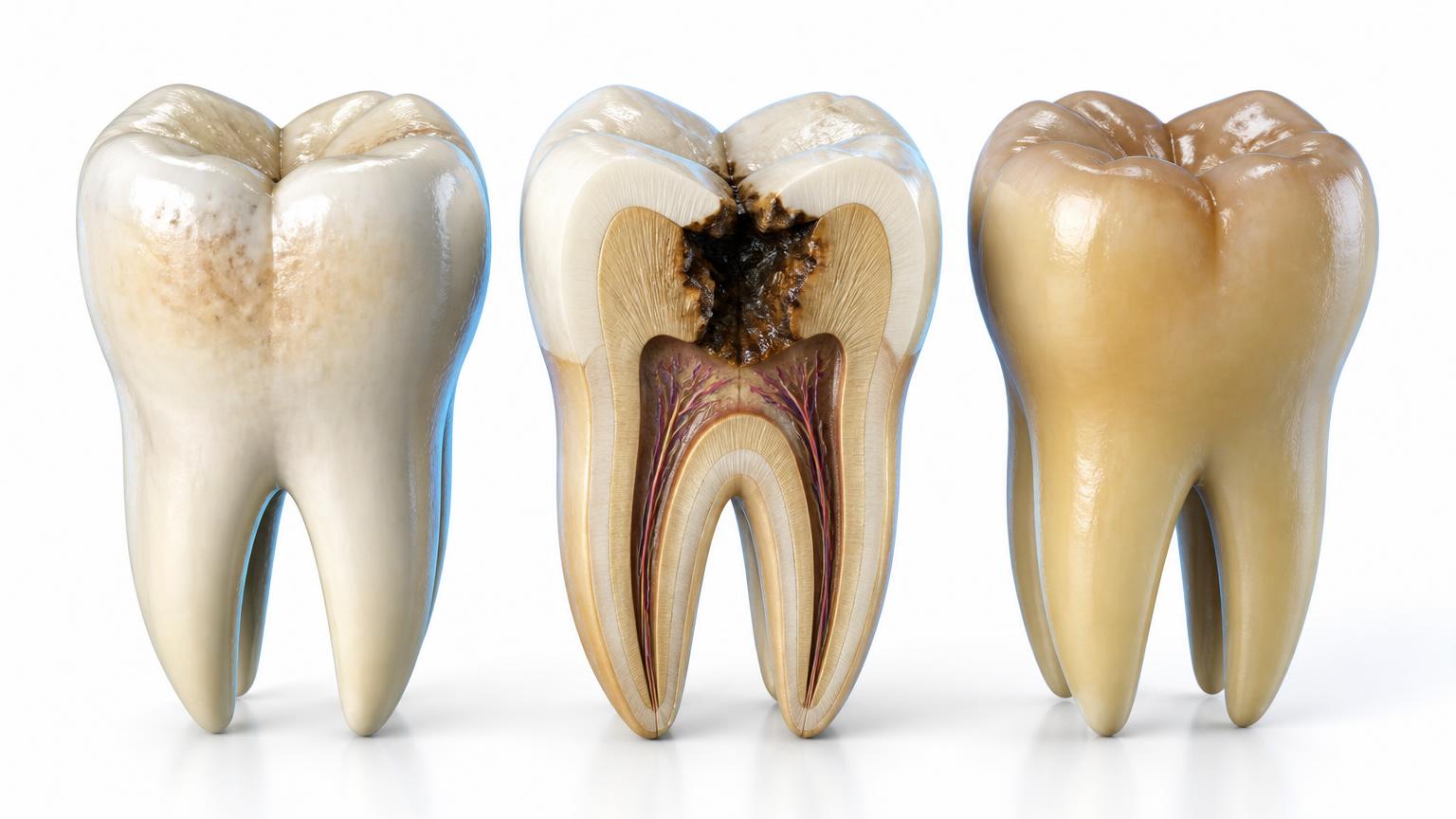
Not every tooth stain is the same
Some stains are on the outer surface of the teeth.
Others can develop deeper within the tooth.
Surface stains from food, drinks and tobacco may respond differently from deeper or natural changes in tooth colour.
This is why a dental assessment is important before whitening.
Whitening should be planned for your smile
There is no single whitening treatment that is right for everyone. Your dentist will consider:
- Your current tooth colour
- The cause of the staining
- Your dental health
- Your gum health
- Existing crowns, fillings or other restorations
- Your desired result
The aim is to choose an appropriate approach rather than simply using the strongest whitening treatment.
How can teeth be whitened?
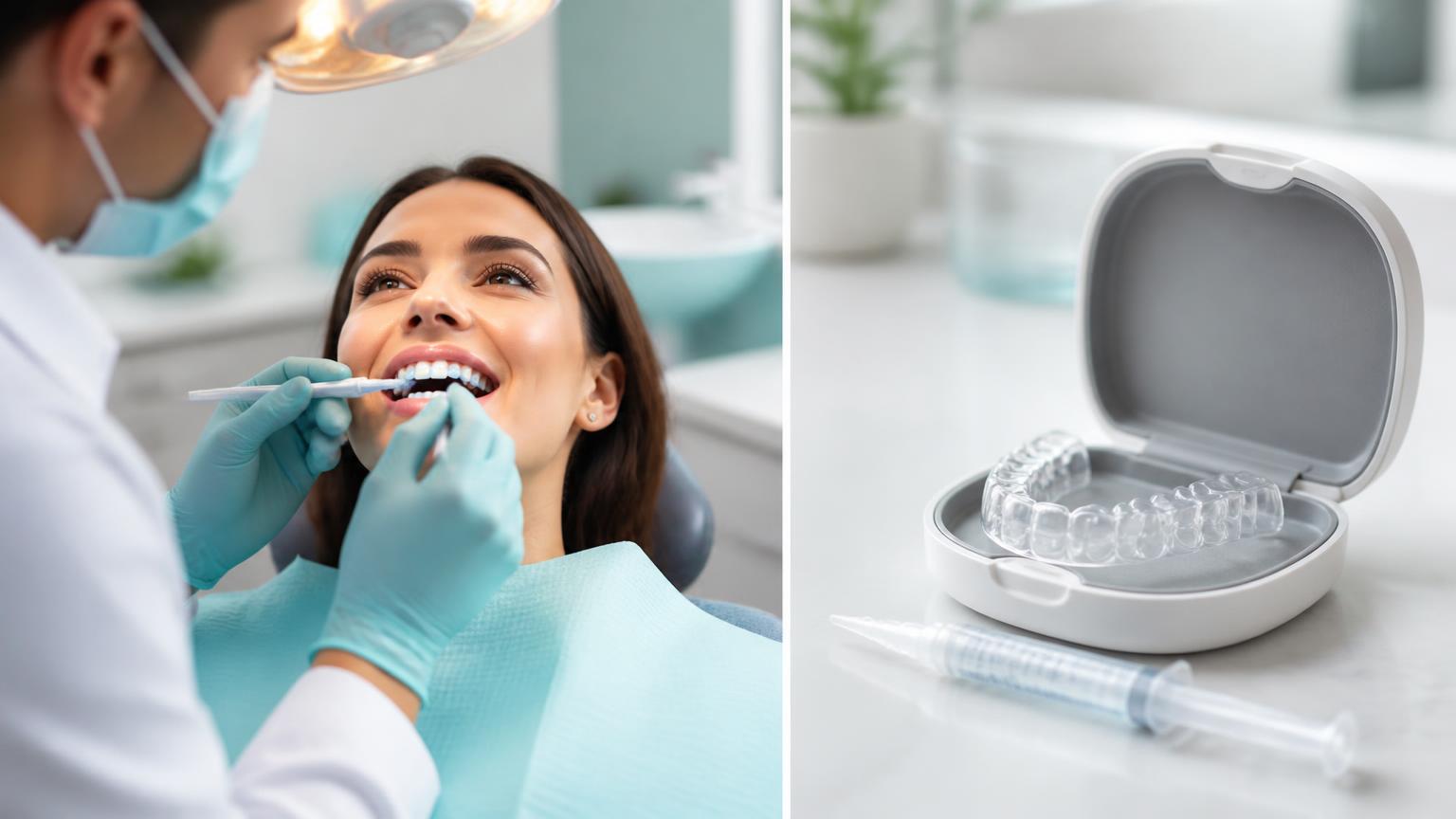
Depending on your needs, your dentist may recommend:
In-clinic whitening
Whitening treatment performed at the dental clinic under professional supervision.
Dentist-guided home whitening
A whitening system used at home according to instructions provided by your dentist.
Your dentist will explain the benefits, limitations and expected results of the recommended option.
What happens during in-clinic whitening?
If in-clinic whitening is recommended, your dental team will first prepare and protect the appropriate areas.
A professional whitening product is then applied according to the treatment plan.
The dentist or dental team monitors the process and provides instructions for aftercare.
The exact procedure and duration depend on the whitening system used and your individual needs.

What is dentist-guided home whitening?
Some patients may be suitable for whitening at home using a system provided or recommended by their dentist. Your dentist will explain:
- How to use the whitening system
- How often to use it
- How long to use it
- What to avoid during treatment
- When to contact the dental team
Following the instructions carefully is important.
Can whitening cause sensitivity?
Some people may experience temporary tooth sensitivity during or after whitening.
The gums may also feel temporarily irritated if whitening material comes into contact with them.
Your dentist can advise you on how to manage sensitivity and whether whitening should be adjusted or stopped.
If you experience significant discomfort or irritation, contact your dental team.

Whitening does not change every tooth in the same way
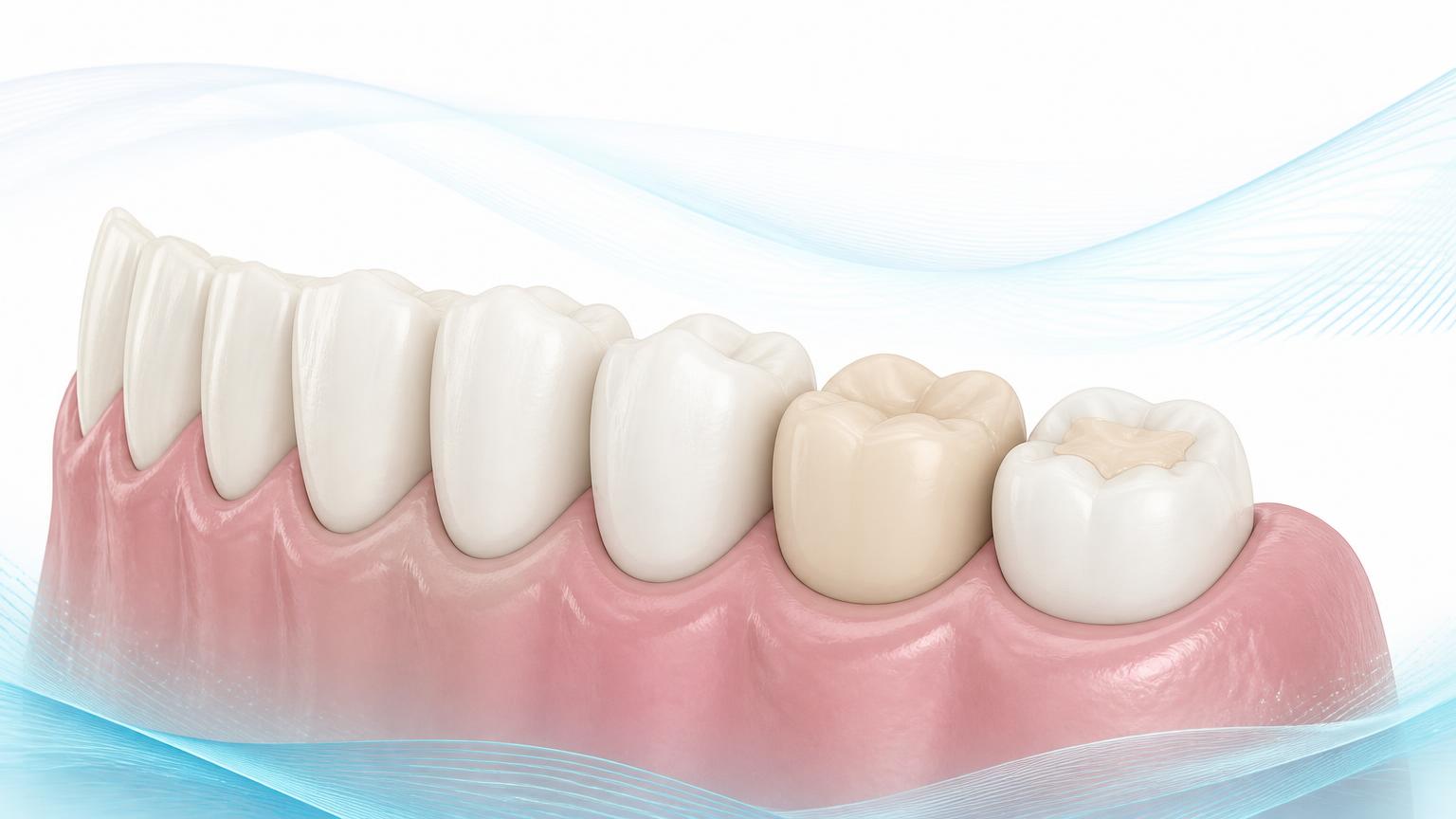
Whitening works on natural teeth.
Crowns, bridges, veneers and fillings do not whiten in the same way as natural tooth enamel.
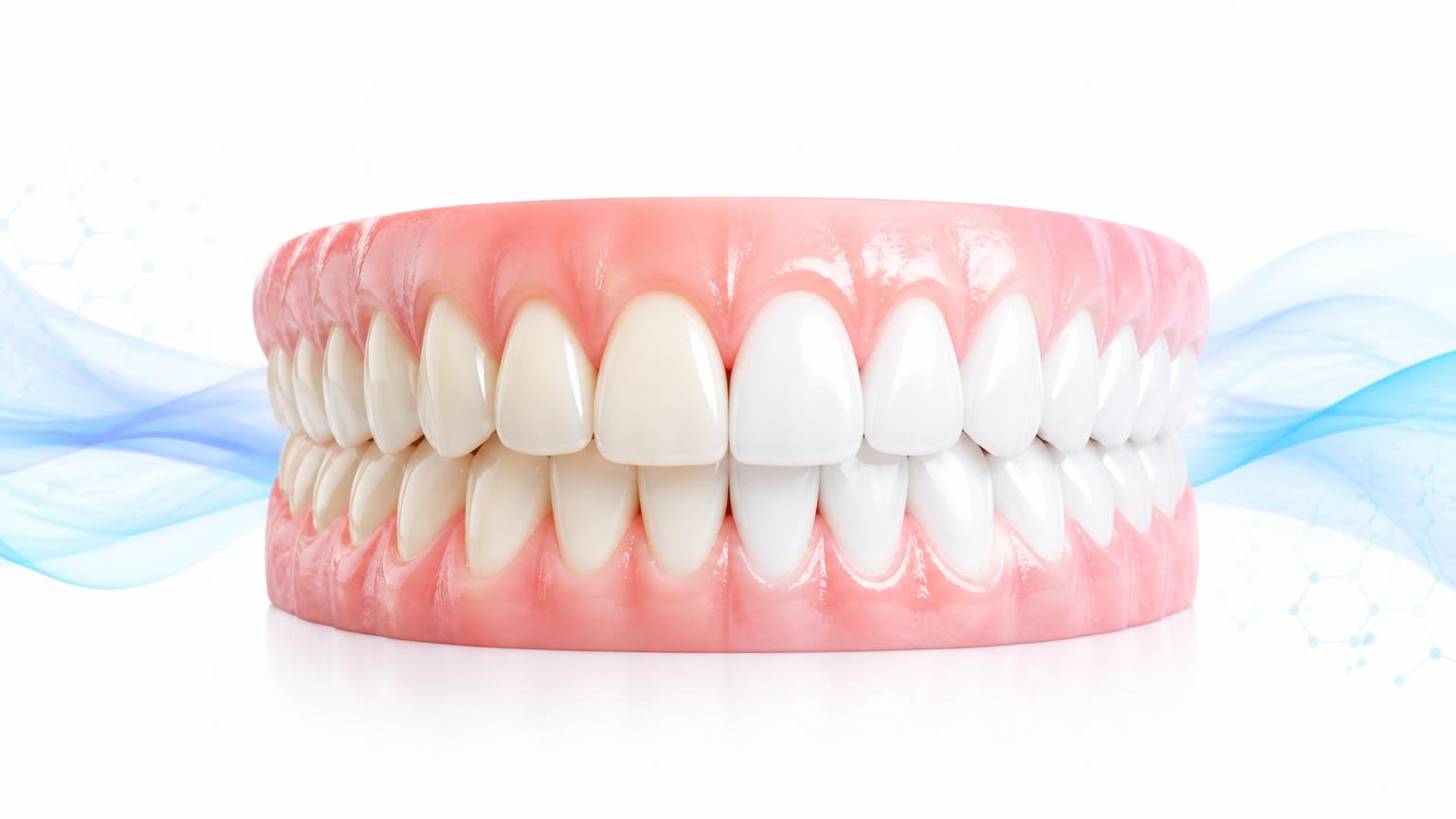
This means the final colour may not be identical across every tooth if you already have dental restorations.
Your dentist can explain what result is realistic before treatment.
How long will my teeth stay whiter?
Teeth whitening is not permanent. Your teeth can gradually become darker again over time. How long the result lasts can depend on:
- Your diet
- Tea and coffee consumption
- Tobacco use
- Oral hygiene
- Natural ageing
- Your individual teeth
Your dentist can advise you on how to maintain your result.


Keep your smile looking its best
Good daily habits can help maintain the appearance of your teeth after whitening. You should:
- Brush twice a day
- Clean between your teeth
- Attend regular dental check-ups
- Limit habits that can stain teeth
- Avoid tobacco
- Follow any whitening maintenance advice given by your dentist
Whitening is only one part of keeping your smile healthy.
Whitening is not the answer to every discolouration
Whitening may not correct every type of tooth colour change.
Some deeper stains, tooth damage or changes inside the tooth may need another type of dental treatment.
Existing crowns, bridges, veneers and fillings also do not whiten like natural teeth.
Your dentist can explain whether whitening is suitable or whether another treatment may be more appropriate.
Healthy teeth come first
Teeth whitening is a cosmetic treatment.
It does not treat cavities, gum disease, broken teeth or other dental problems.
If you have dental problems, your dentist may recommend treating them before whitening.
A healthy mouth provides a better foundation for cosmetic dental treatment.
Frequently asked questions
Thinking about whitening? Start with a dental check-up.
Before whitening your teeth, it is important to understand why they have changed colour.
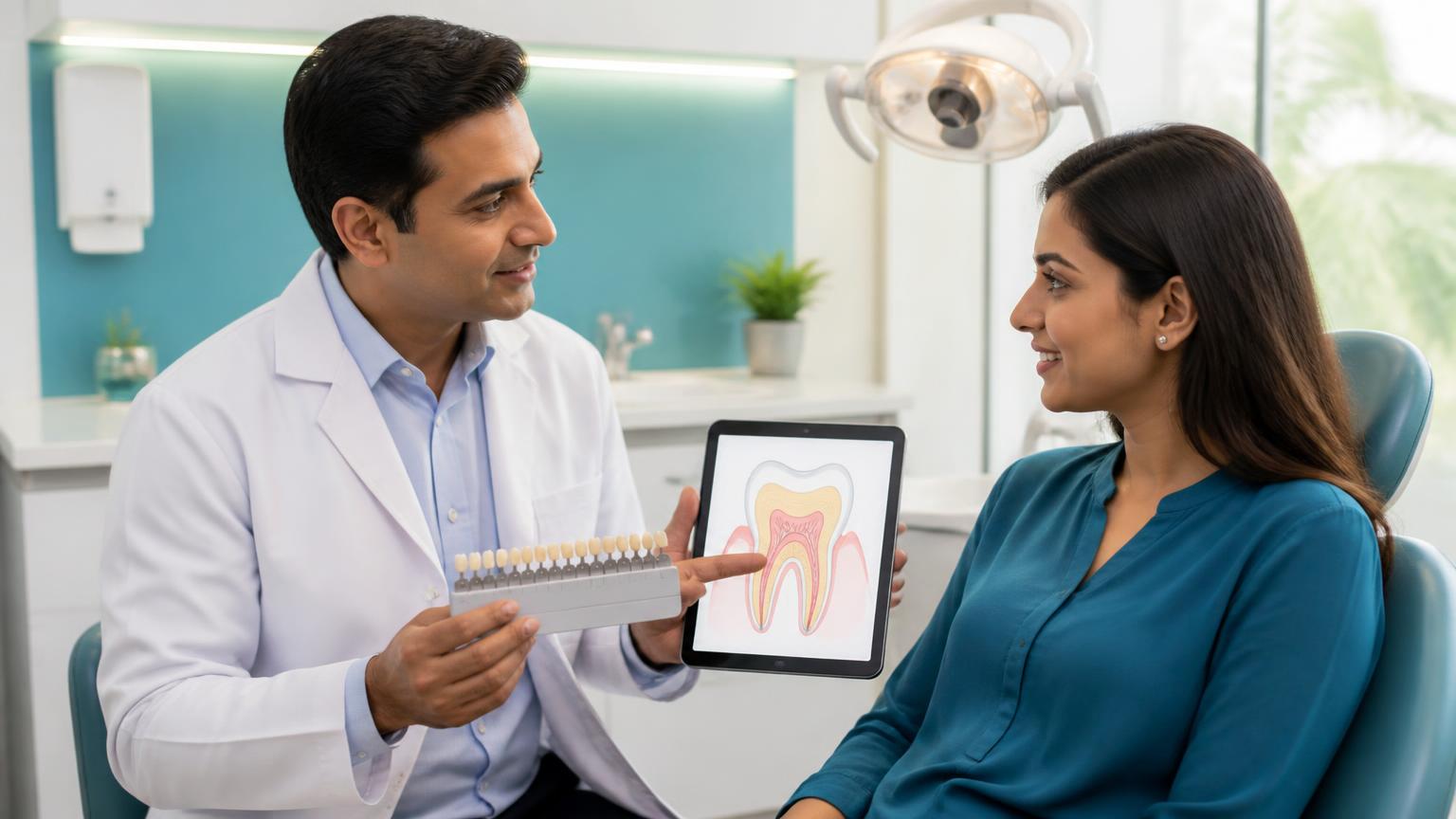
A dental examination can identify problems such as cavities, gum problems, damaged teeth or restorations that may affect your treatment.
Once your teeth and gums have been assessed, your dentist can explain whether whitening is suitable for you.

Ready for a brighter smile?
If you are thinking about teeth whitening, start by understanding what is causing the change in your tooth colour.
Book a consultation with The Millennium Dental and let our dental team assess your teeth, discuss your goals and explain the whitening options suitable for you.
The Millennium Dental — hospital-backed dental care in Navi Mumbai.