
Hospital-backed dental care in Navi Mumbai
Create a more balanced, natural-looking smile with veneers
Veneers are thin coverings placed on the front surface of suitable teeth to improve their appearance.
They may be used to address certain concerns with tooth shape, colour, size or minor visible imperfections.
At The Millennium Dental, your dentist will first examine your teeth and discuss whether veneers are suitable for your smile and dental health.
Book a veneer consultation
Small changes in your teeth can affect your smile
You may feel uncomfortable about teeth that are:
- Uneven in shape
- Slightly worn
- Discoloured
- Chipped
- Small or irregular in appearance
- Unevenly spaced
For some patients, veneers may be one option for improving the appearance of suitable teeth.
A dental assessment is important because the best treatment depends on the condition of your teeth and your goals.

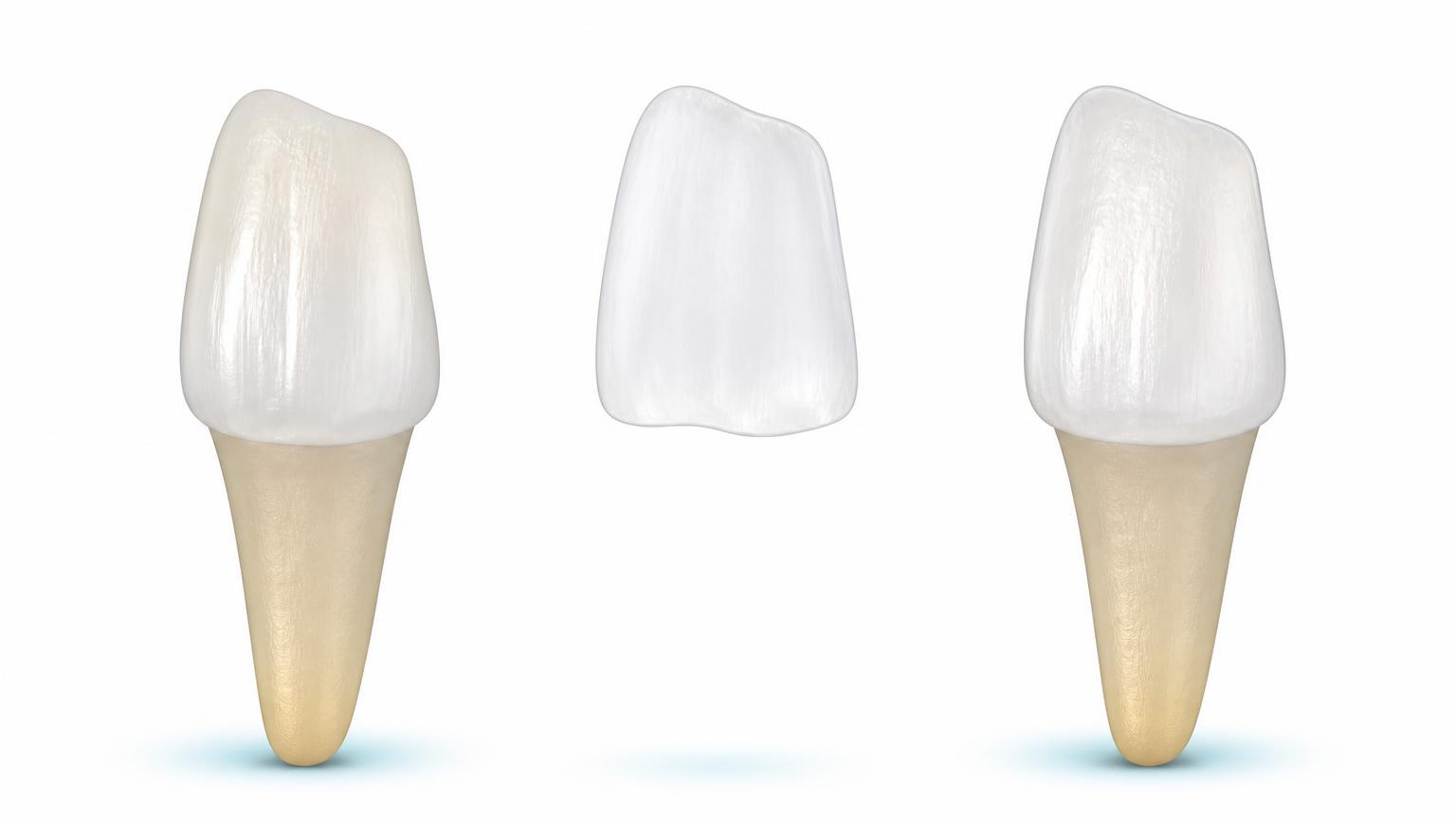
What is a dental veneer?
A veneer is a thin layer of dental material that is placed over the front surface of a tooth.
Veneers are designed to improve the appearance of suitable teeth by changing aspects such as their colour, shape or size.
Depending on the type of veneer and your individual case, some preparation of the natural tooth may be required.
Your dentist will explain how much preparation is needed before treatment.
What can veneers improve?
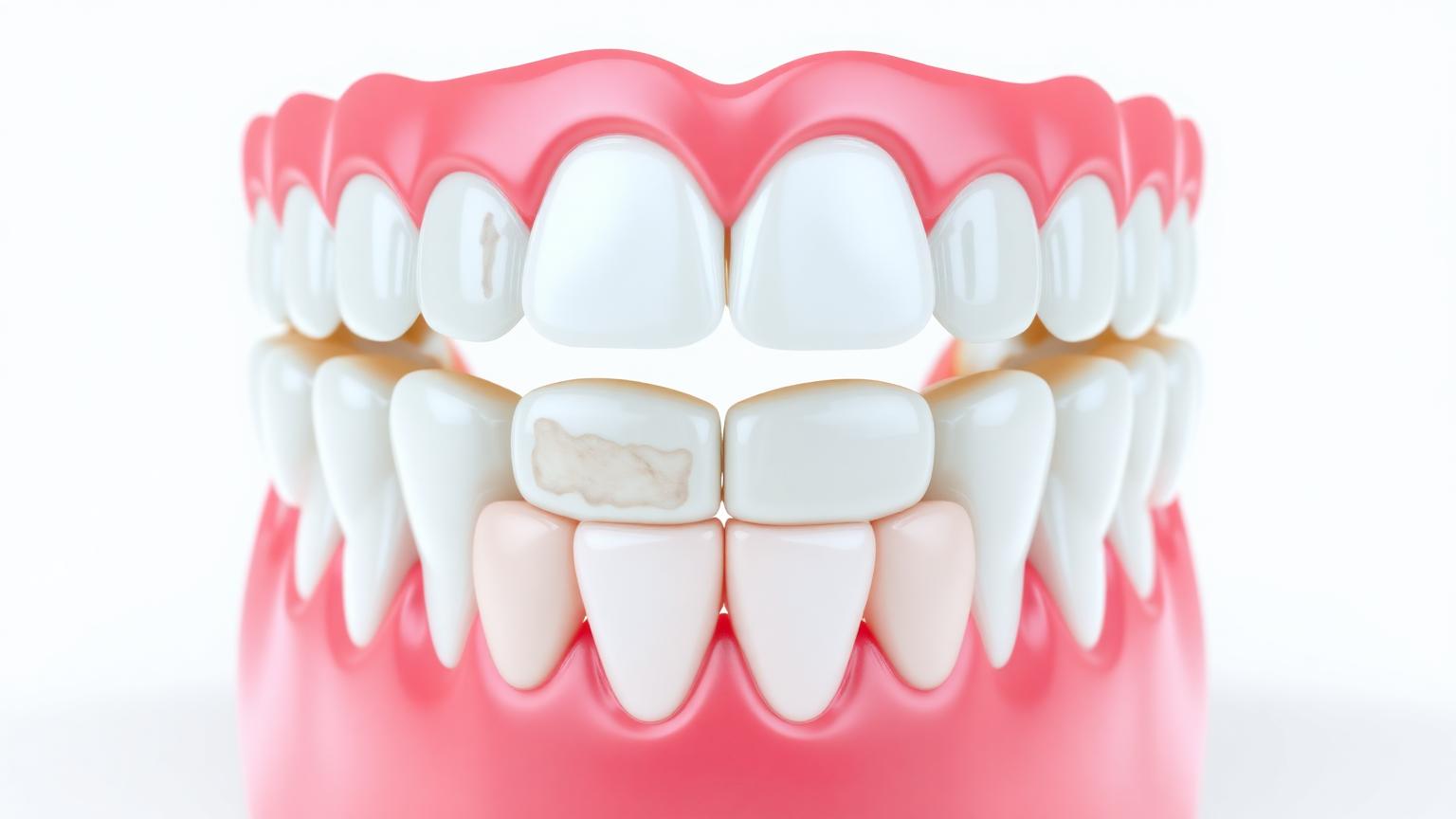
For suitable teeth, veneers may help improve the appearance of:
- Certain stains or colour concerns
- Minor chips
- Uneven tooth shapes
- Small differences in tooth size
- Some visible spacing
- Certain mild surface imperfections
Veneers are mainly a cosmetic treatment. They do not replace treatment for cavities, gum disease or seriously damaged teeth.
Are veneers right for you?
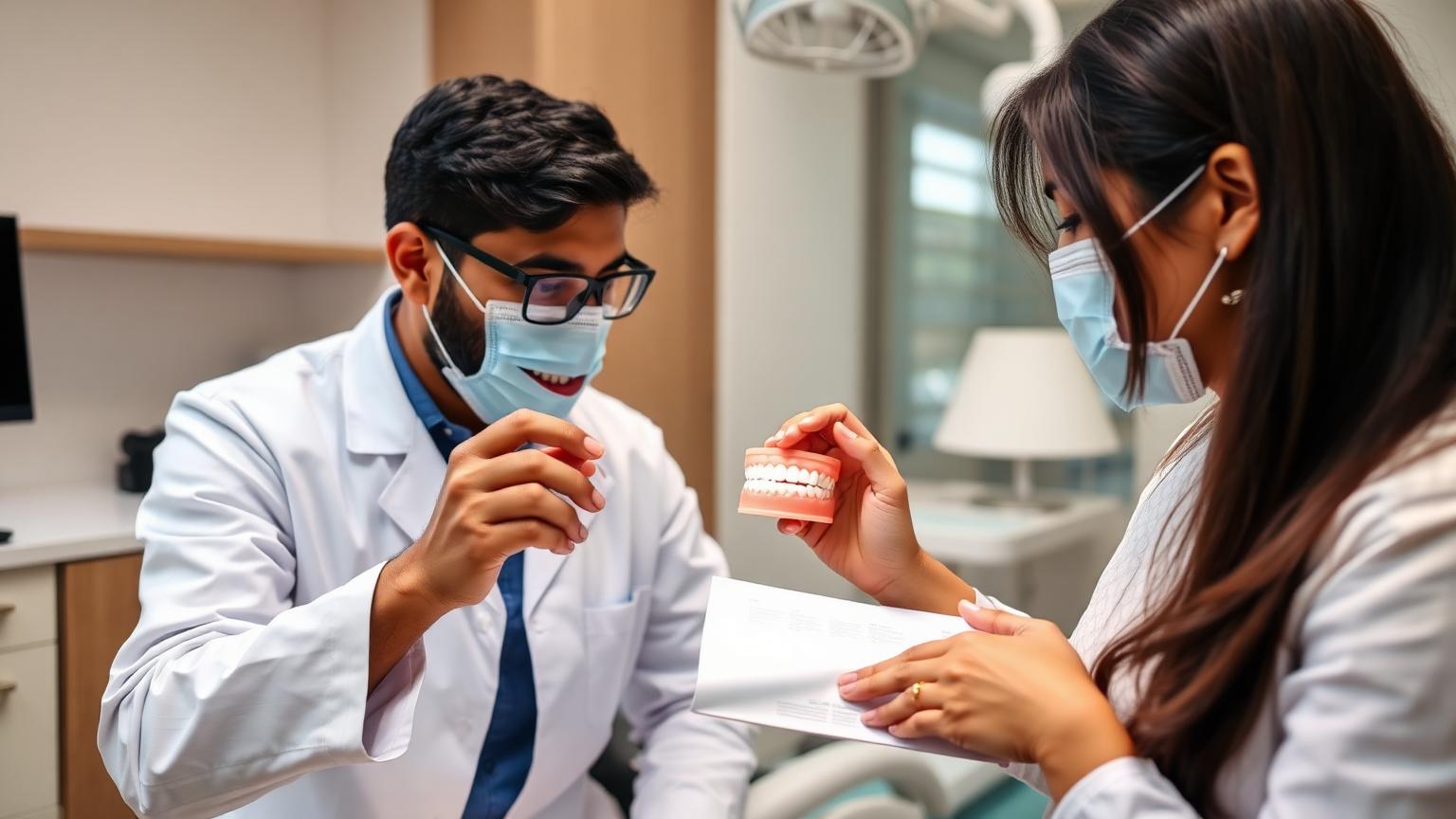
Veneers may be considered for people who want to improve the appearance of suitable teeth and have generally healthy teeth and gums.
Your dentist may consider:
- The condition of your teeth
- Your gum health
- Your bite
- The amount of healthy tooth structure
- Your dental habits
- The type of cosmetic change you want
Not everyone is suitable for veneers. A consultation helps determine whether veneers are appropriate or whether another treatment may be better.
We plan your smile around your natural features
Veneers should not simply make teeth look as white as possible.
Your dentist considers your facial features, natural tooth shape, existing teeth and overall smile when planning cosmetic treatment.
The goal is to create a result that looks appropriate for you.
- Tooth shape
- Tooth colour
- Tooth size
- Smile balance
- Existing dental work
- Your expectations

Veneers and whitening are not the same
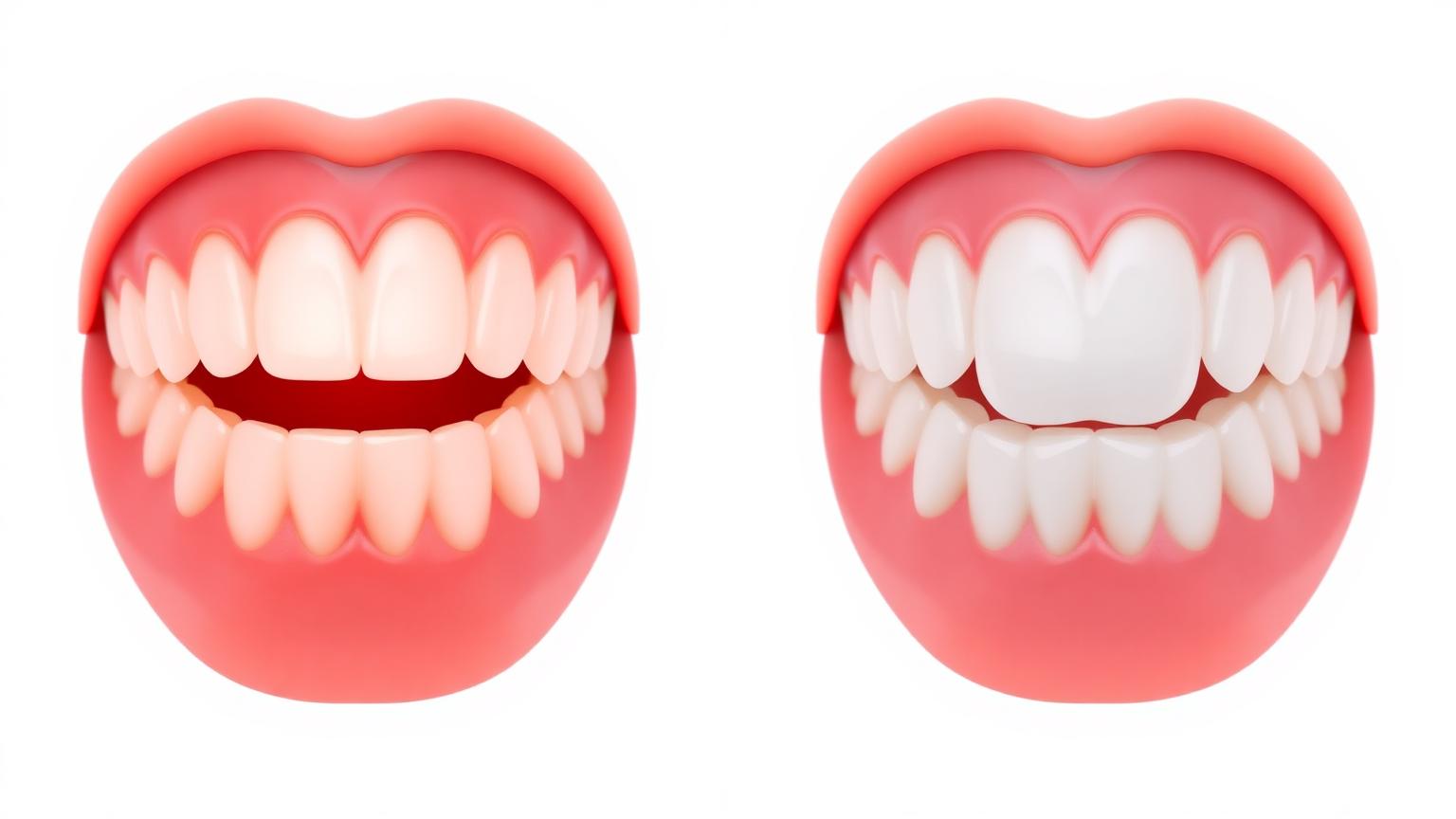
Teeth whitening changes the colour of suitable natural teeth.
Veneers are thin coverings placed over the front surface of teeth and can change more than colour. They may also change the shape, size or appearance of a tooth.
Your dentist can help you decide which treatment is more suitable for your concern.
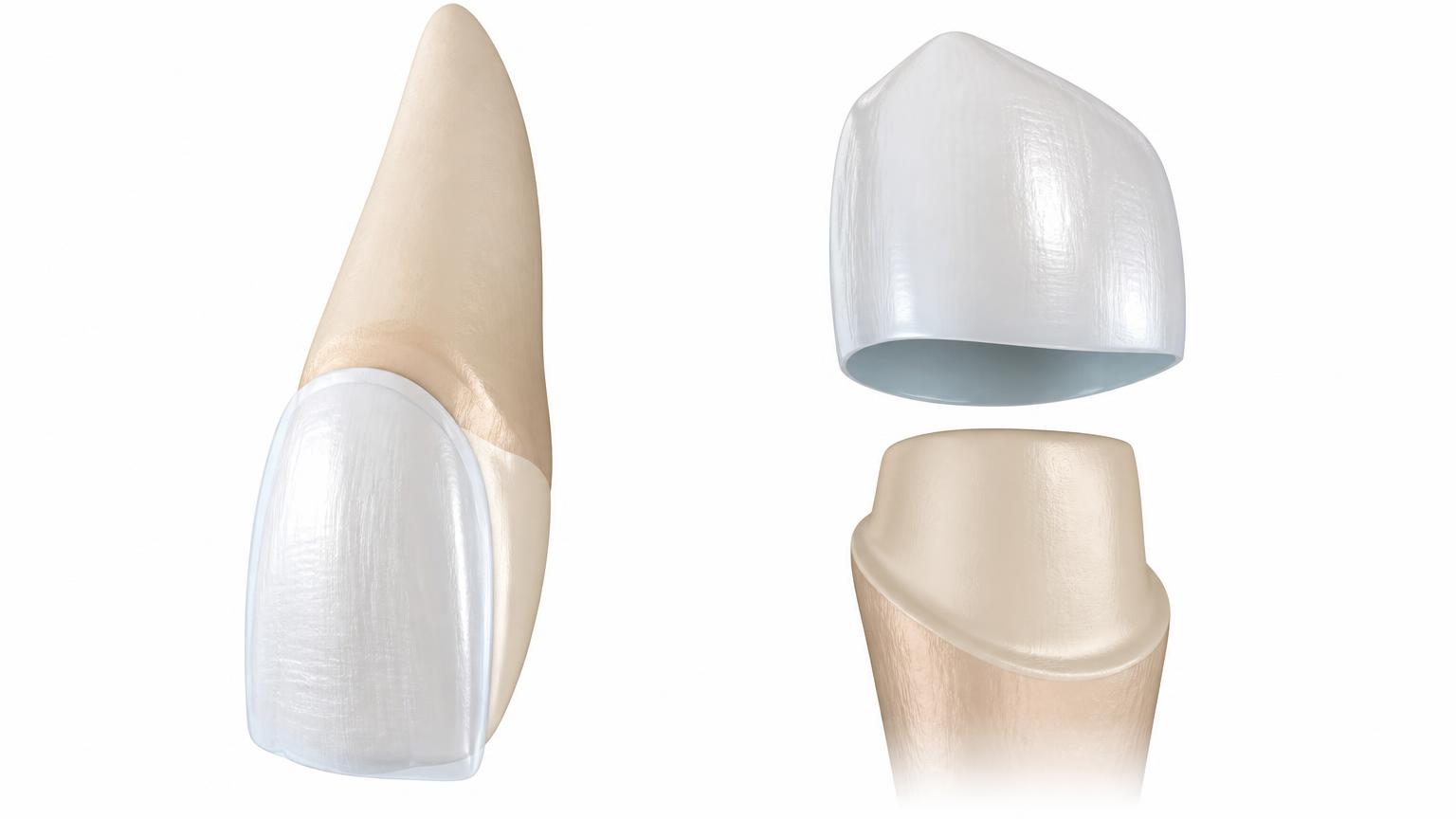
Veneers and crowns are different
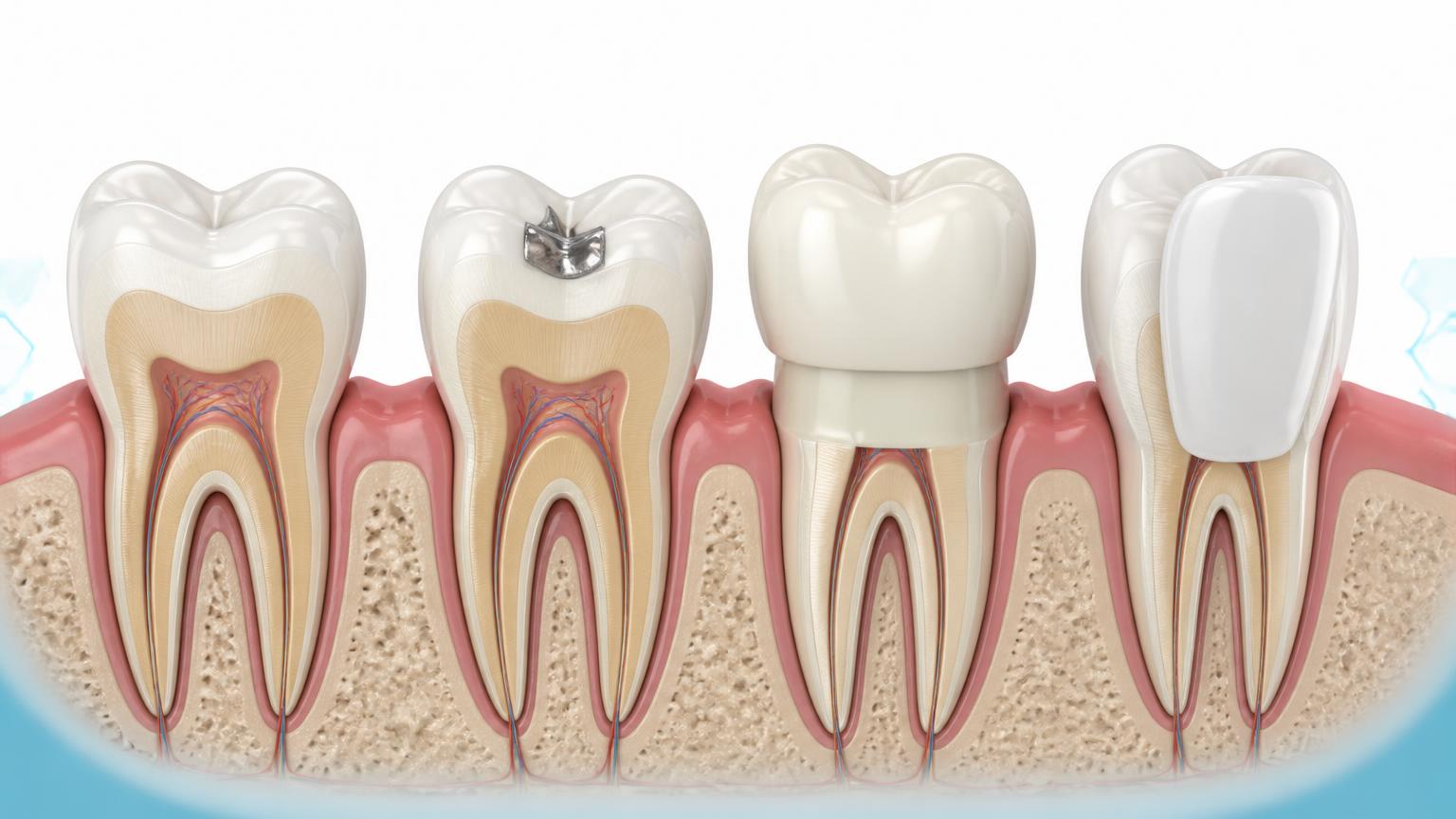
A veneer usually covers the front surface of a tooth.
A crown covers much more of the tooth and is generally used to restore or protect a tooth that has significant damage or weakness.
The right option depends on the condition of your tooth. Your dentist will explain which treatment is appropriate.
What are veneers made from?
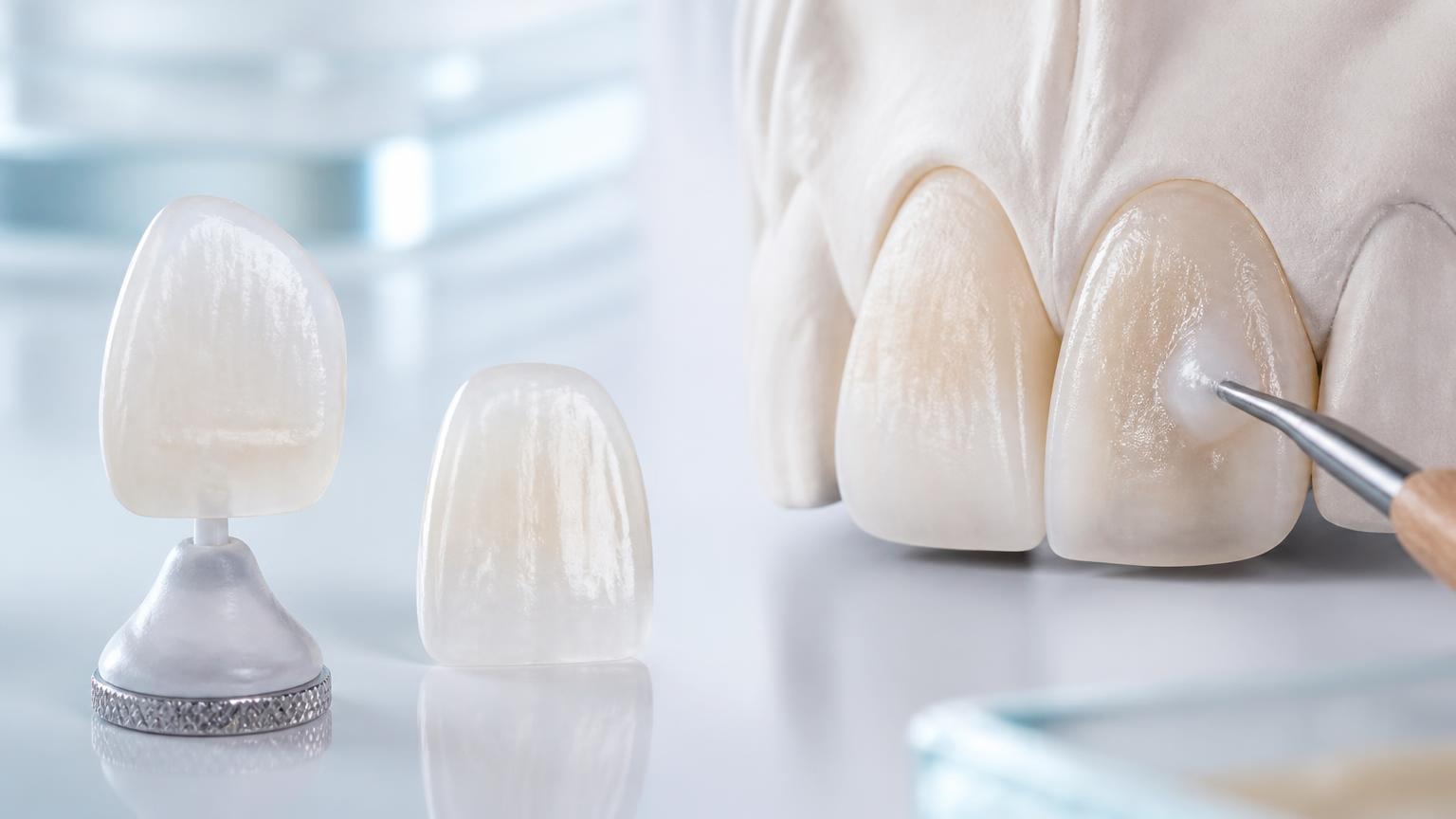
Veneers can be made from different dental materials.
Common options include porcelain-based or ceramic materials and composite materials.
Each option can have different characteristics, appearance, treatment steps and maintenance needs.
The material recommended for you will depend on your teeth, treatment goals and clinical assessment.
What happens when you get veneers?
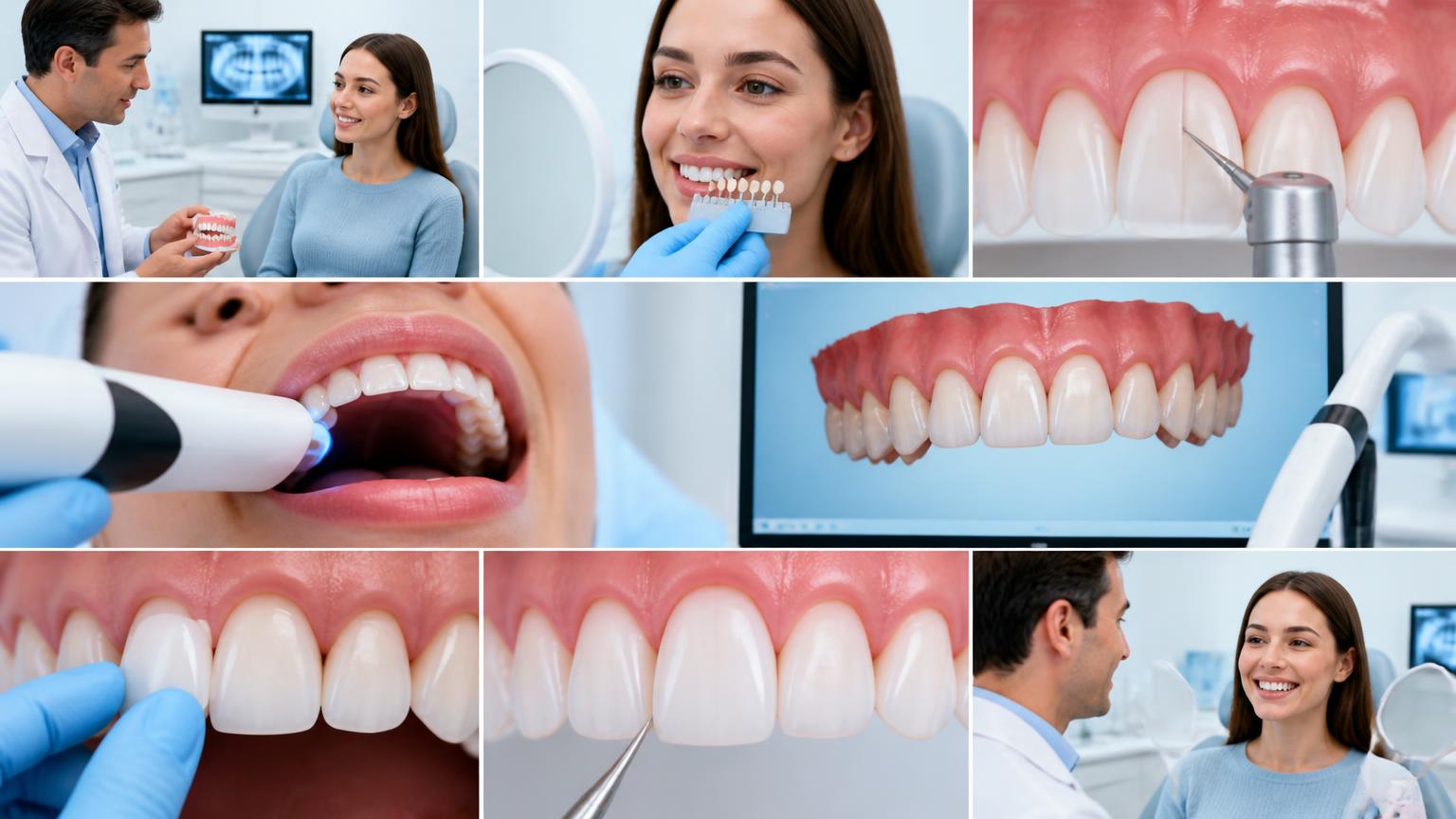
The exact process depends on the type of veneer and your individual treatment plan.
- 1
Consultation
Your dentist examines your teeth, gums and bite and discusses what you want to improve.
- 2
Treatment planning
The dentist plans the shape, colour and appearance of the veneers.
- 3
Tooth preparation
Depending on the type of veneer, some preparation of the natural tooth may be required.
- 4
Measurements
Information about your teeth is collected so the veneers can be made to fit your mouth.
- 5
Veneer fitting
Your dentist checks the appearance and fit before placing the veneers.
- 6
Final placement
Once everything is suitable, the veneers are securely placed according to the treatment plan.
- 7
Follow-up
Your dentist checks your bite, gums and veneers and explains how to care for them.

Is veneer treatment painful?
The level of sensitivity or discomfort can vary depending on how much tooth preparation is needed.
If tooth preparation is required, your dentist will use appropriate anaesthesia when needed.
Some patients may experience temporary sensitivity after treatment.
Tell your dentist if you are concerned about sensitivity or discomfort so they can discuss what to expect.
Does a tooth need to be shaped for a veneer?
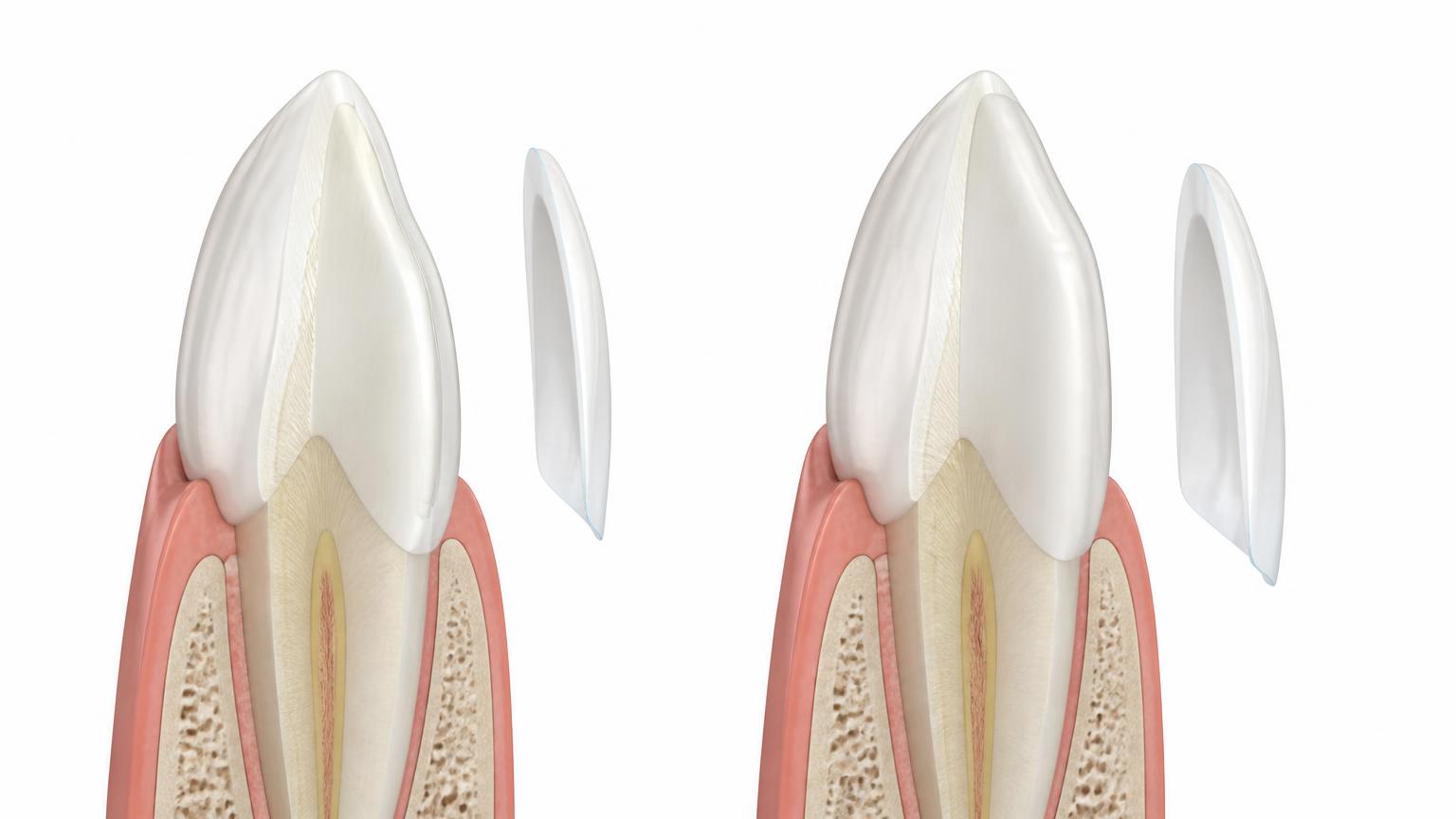
It depends on the type of veneer and your individual case.
Some veneers may require little preparation, while other cases may require more preparation to create the correct fit and appearance.
Your dentist will explain exactly what is planned before treatment begins.

How long do veneers last?
Veneers are designed to provide long-term cosmetic restoration, but they do not last forever.
Their lifespan can depend on:
- Oral hygiene
- Gum health
- Bite forces
- Teeth grinding
- Habits such as biting hard objects
- The material used
- Regular dental care
Your dentist can explain how to care for your veneers and when they may need to be checked or replaced.
How should you care for veneers?
Veneers still need daily dental care. You should:
- Brush twice a day
- Clean between your teeth
- Keep your gums healthy
- Avoid biting very hard objects
- Follow your dentist's cleaning instructions
- Attend regular dental check-ups
- Tell your dentist if a veneer feels loose, chipped or unusual
Good oral hygiene helps protect both the veneers and the natural teeth underneath them.
Can veneers straighten teeth?
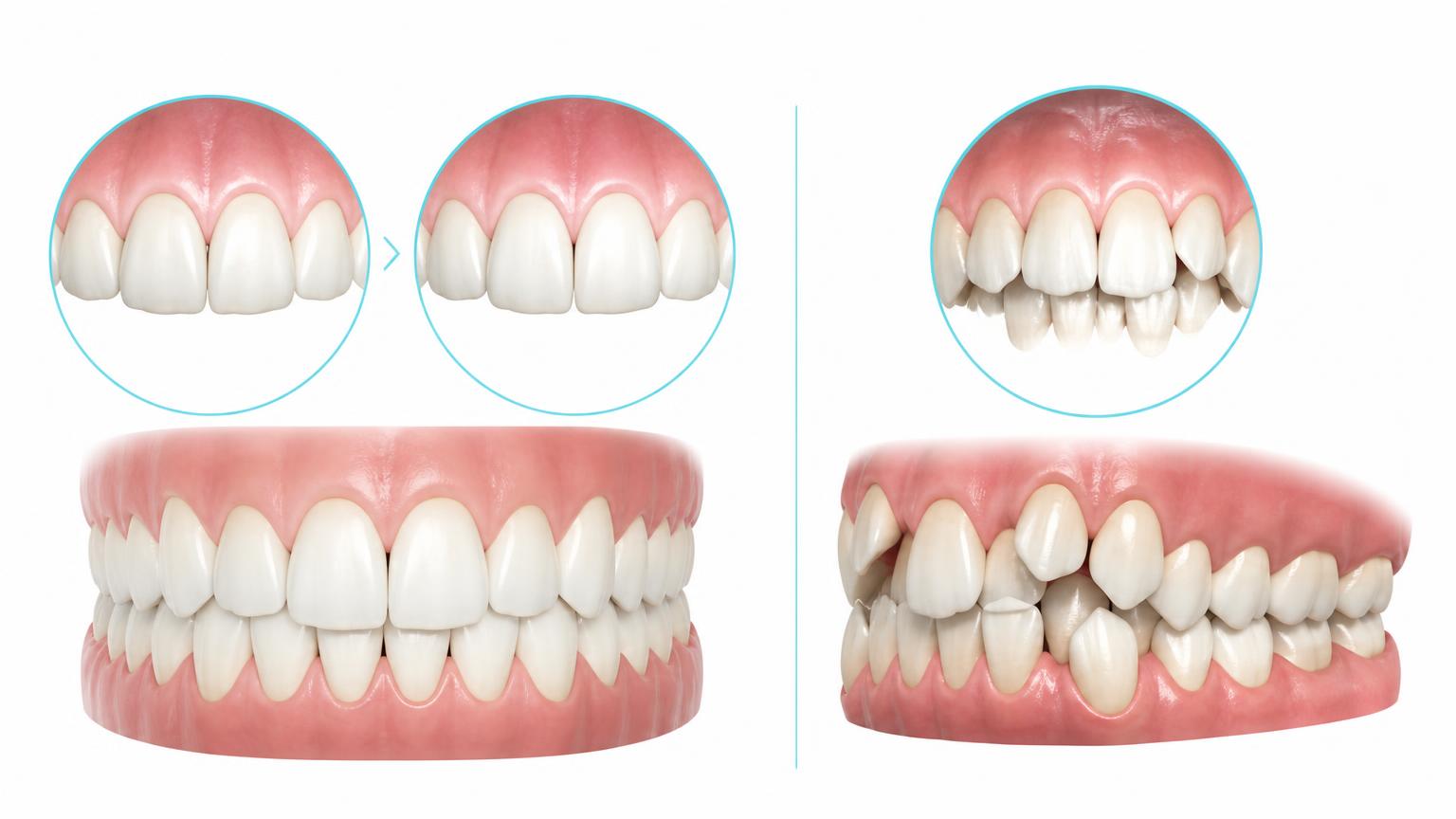
Veneers can sometimes improve the appearance of mildly uneven or slightly misaligned teeth.
However, veneers do not actually move teeth into a new position.
If teeth are significantly crowded or misaligned, orthodontic treatment may be more appropriate.
Your dentist can assess your teeth and explain your options.
Can veneers close small gaps?
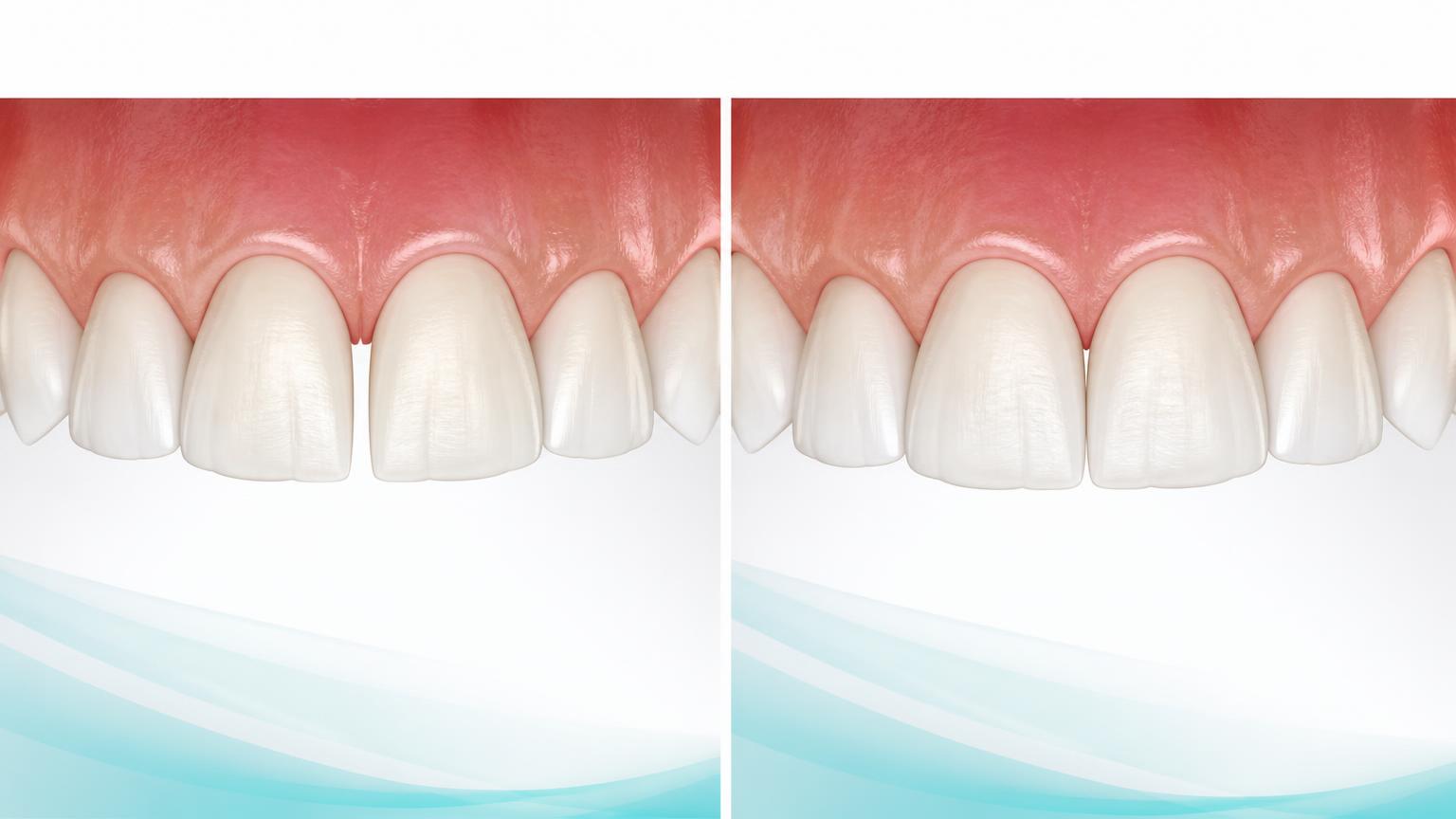
In some suitable cases, veneers can be used to improve the appearance of small spaces between teeth.
However, not every gap should be closed with veneers.
The cause and size of the gap, your bite and the health of your teeth and gums all need to be considered.
Your dentist will recommend the most appropriate option.
What if you already have crowns or fillings?
Veneers are designed for natural tooth surfaces.
Existing crowns, bridges and fillings do not respond to treatment in exactly the same way as natural teeth.
If you already have dental restorations, your dentist will consider them when planning your smile.
Veneers are not right for every tooth
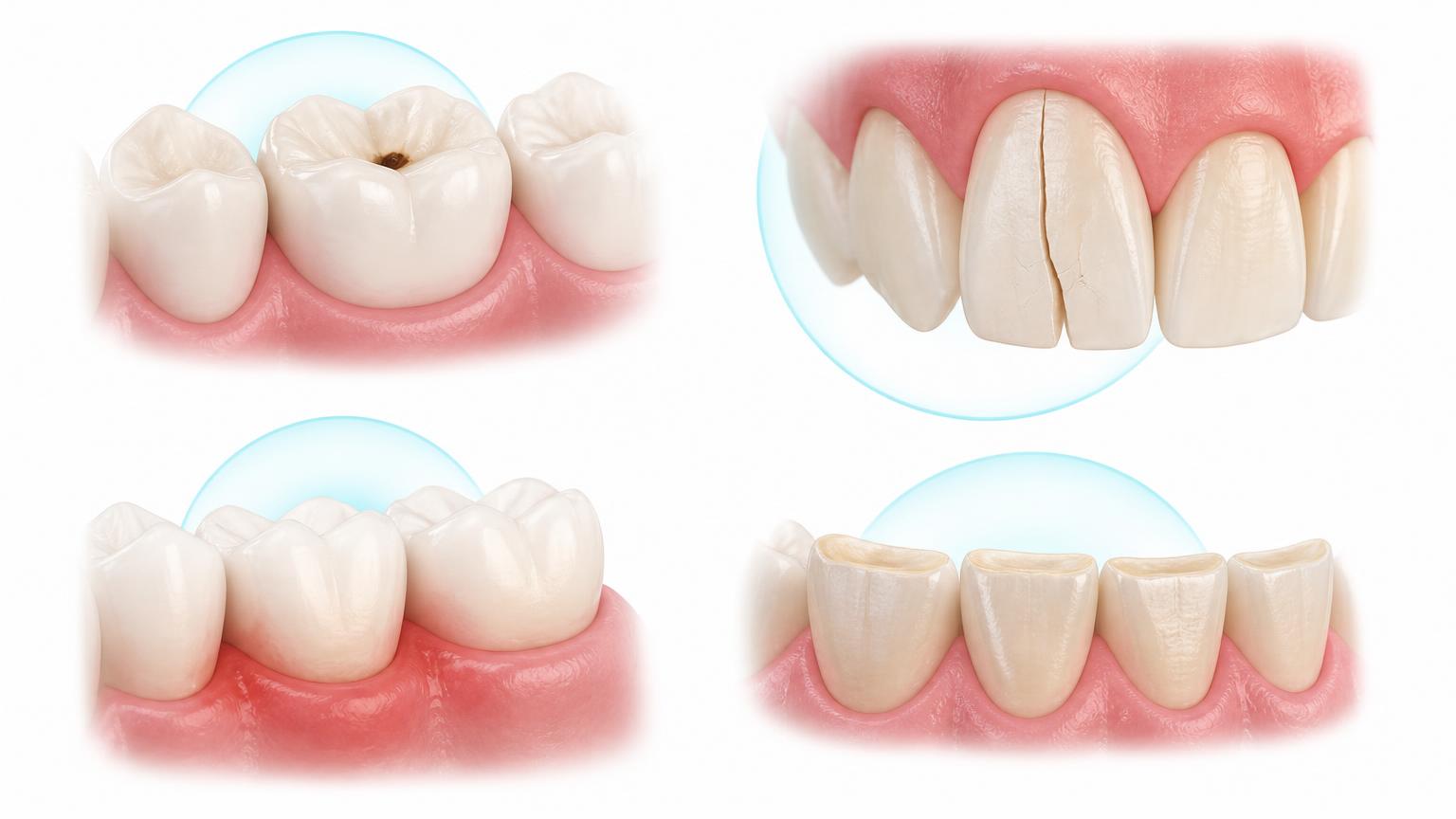
Veneers may not be suitable when a tooth has significant decay, severe damage, unhealthy gums or other problems that need treatment first.
People who strongly grind or clench their teeth may also need additional assessment before cosmetic treatment.
Your dentist will examine your teeth and gums before recommending veneers.
Frequently asked questions
Thinking about veneers? Start with a consultation.
If you are unhappy with the appearance of your teeth, there may be several ways to address your concern.
A consultation allows your dentist to understand what you want to change, check your dental health and explain the options available.
You do not need to decide on veneers before your consultation.
Book a veneer consultation
Thinking about improving your smile?
A beautiful smile does not have to look artificial.
Start with a consultation at The Millennium Dental to understand whether veneers are suitable for your teeth and what other options may be available.
Book a veneer consultationThe Millennium Dental — hospital-backed dental care in Navi Mumbai.