
Hospital-backed dental care in Navi Mumbai
Replace a missing tooth with a dental implant
A missing tooth can affect your smile, chewing and confidence. A dental implant can replace a missing tooth with a strong, natural-looking tooth replacement.
At The Millennium Dental, we first understand your dental and medical needs before planning implant treatment for you.
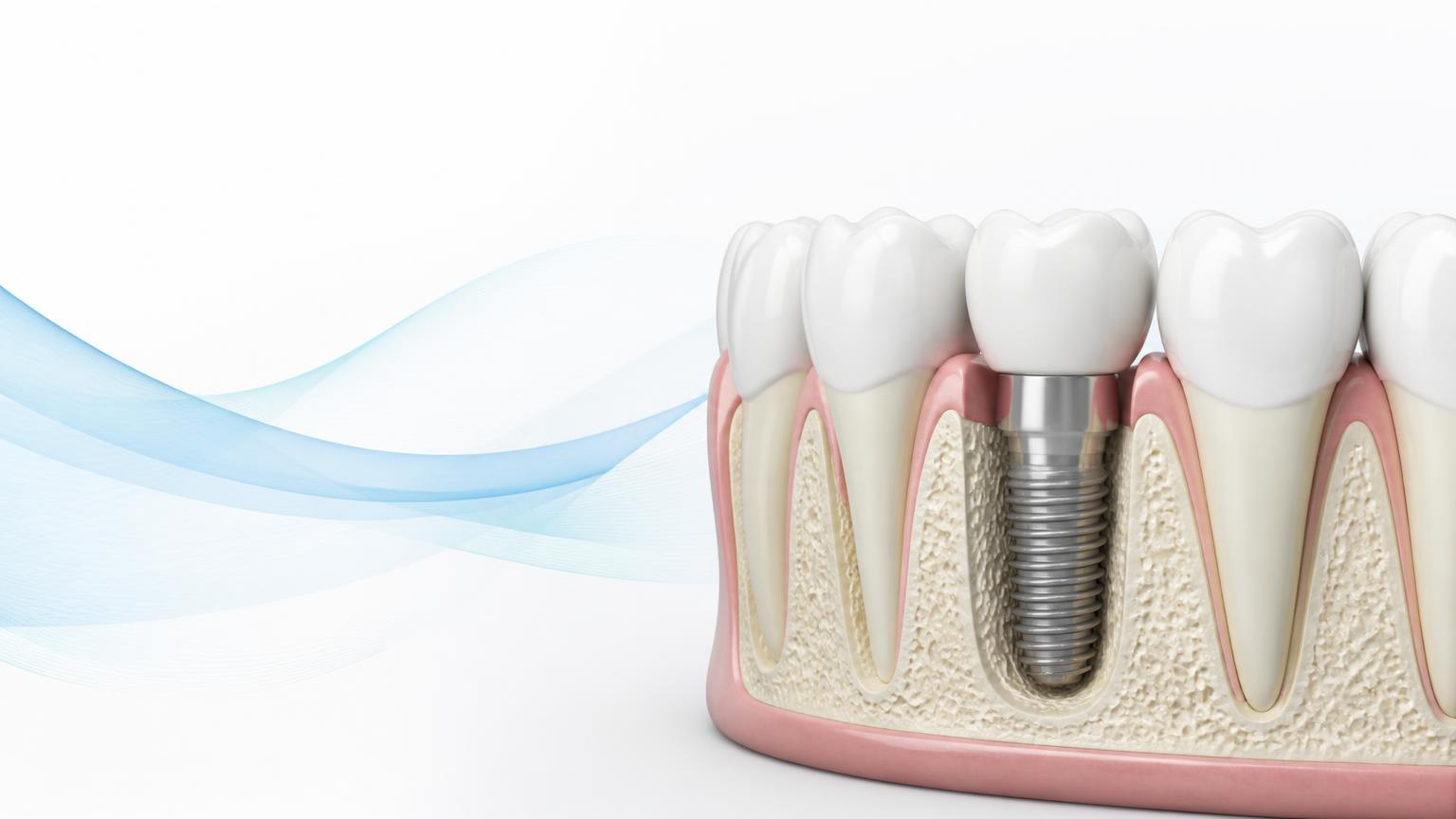
A missing tooth can affect more than your smile
Losing a tooth can make everyday activities such as eating and speaking less comfortable.
You may also feel less confident when you smile.
When a tooth is missing, the teeth around it can also be affected over time.
A dental implant is one option that can help replace the missing tooth and restore your ability to smile and chew comfortably.

What is a dental implant?
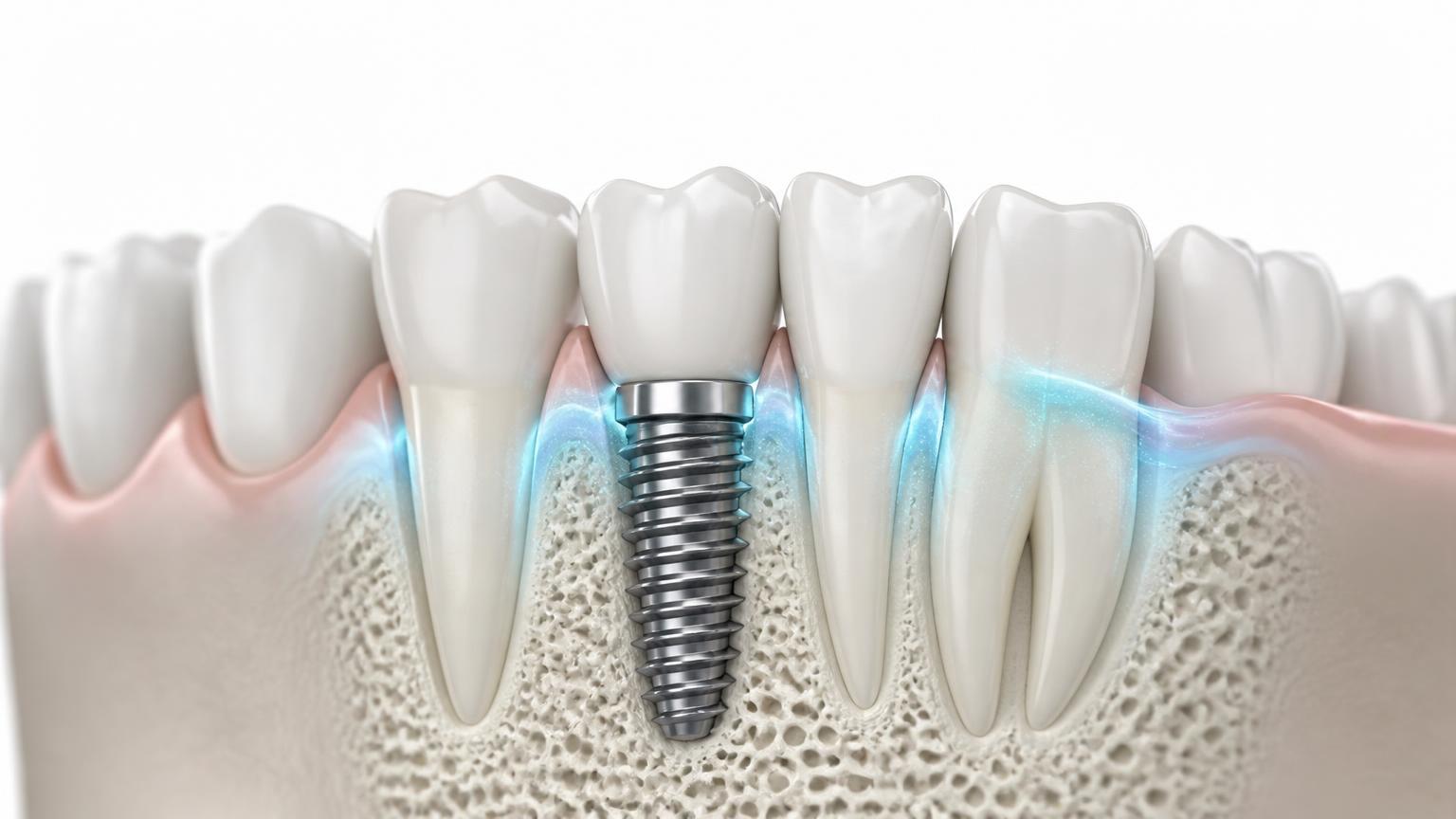
A dental implant is a small artificial tooth root that is placed inside the jawbone.
After the implant heals, it can support a replacement tooth.
A dental implant treatment usually has three main parts.
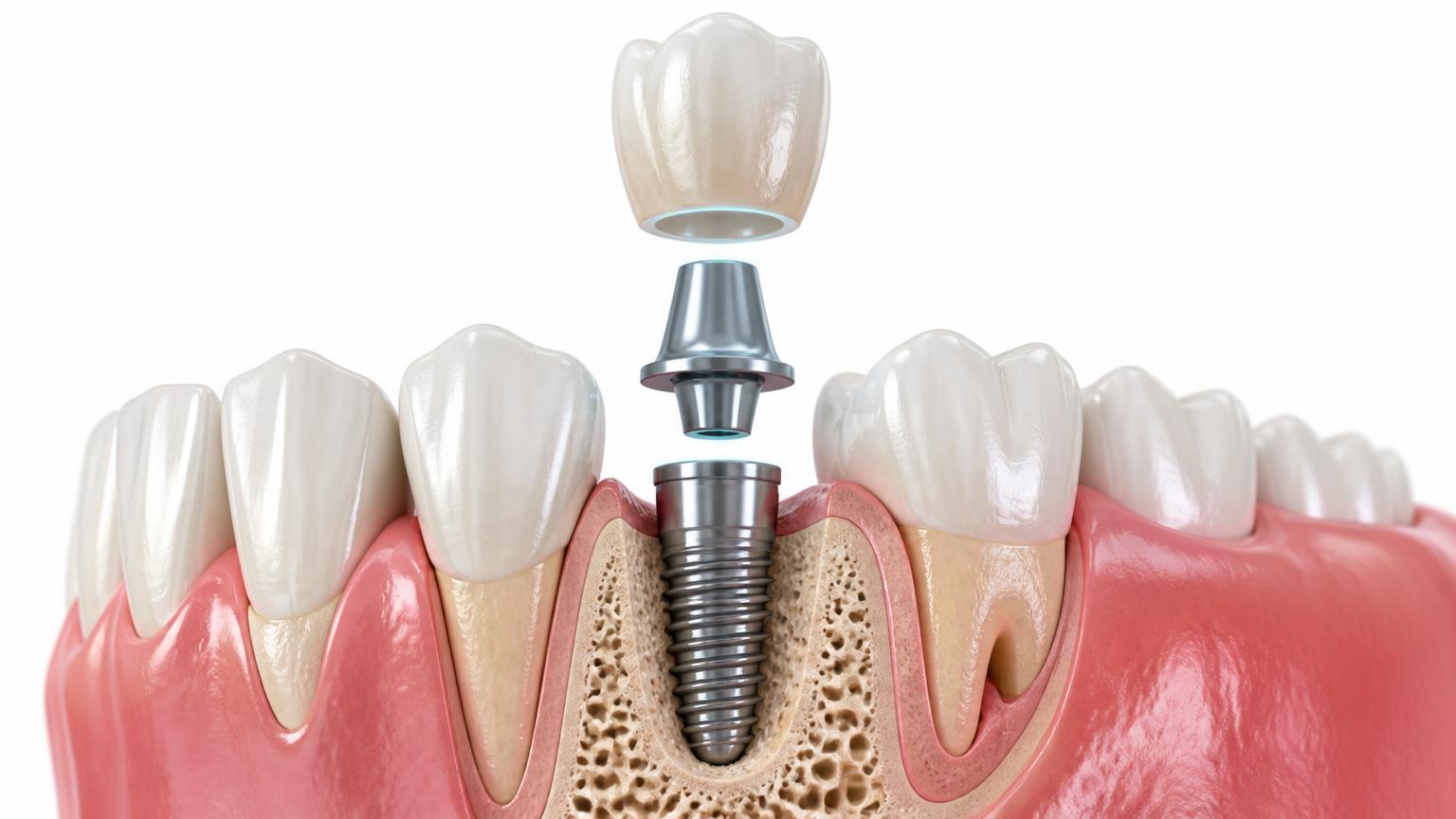
Implant
The implant is placed inside the jawbone and acts like an artificial tooth root.
Abutment
The abutment connects the implant to the replacement tooth.
Crown
The crown is the visible tooth that is made to look and function like a natural tooth.
Your dentist will decide whether an implant is suitable for you after examining your teeth, gums, bone and overall health.
Who may be suitable for dental implants?
Dental implants may be considered if you:
- Have one or more missing teeth
- Have a tooth that cannot be saved
- Want a fixed option for replacing a missing tooth
- Have healthy gums, or can first receive treatment for gum problems
- Have enough bone to support an implant, or may be suitable for additional treatment to improve the implant area
Not everyone is suitable for dental implants. Your dentist will examine your mouth and review your health before recommending treatment.

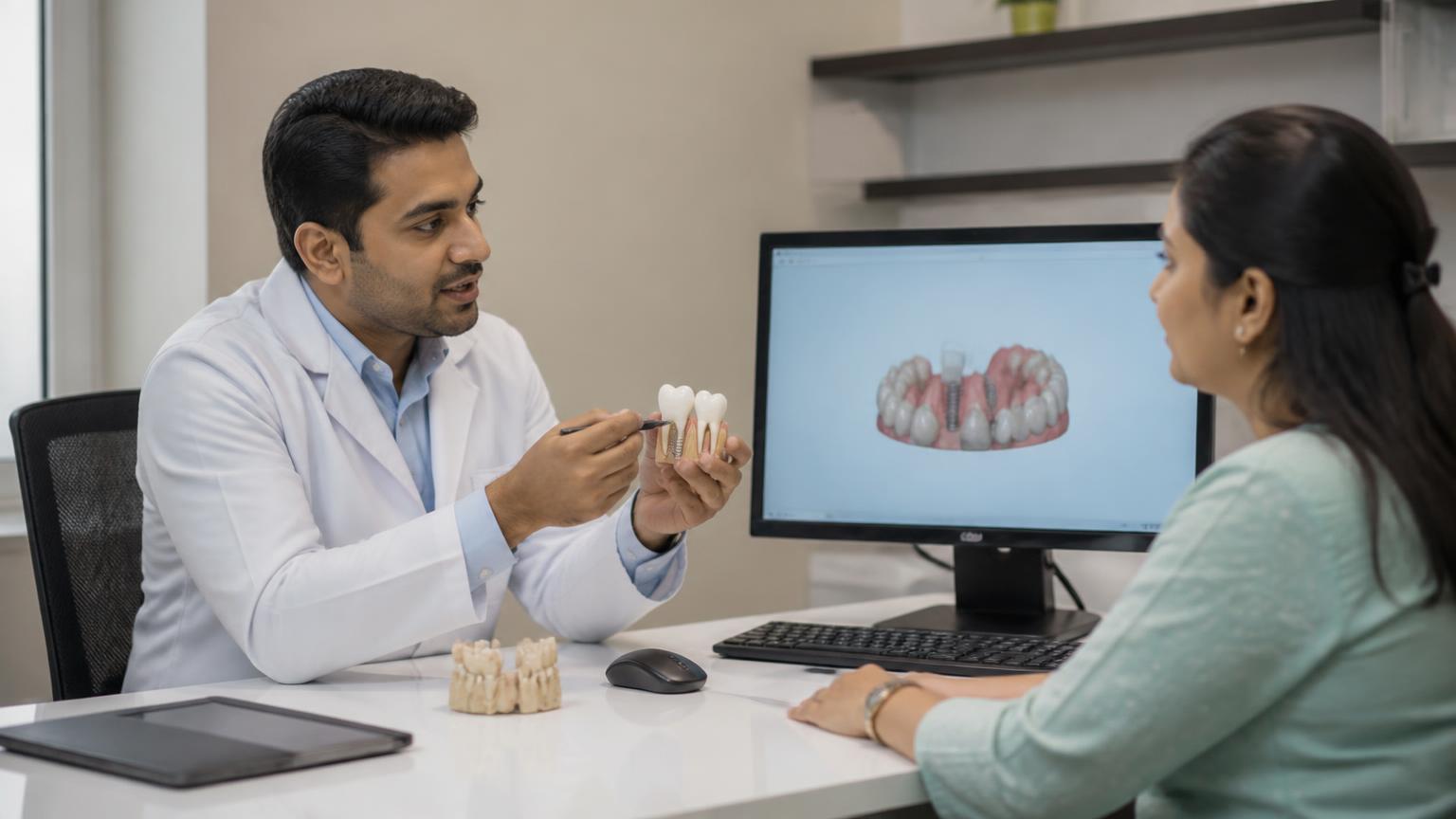
Your treatment starts with a careful assessment
We do not begin with the implant. We begin by understanding your dental health and your needs.
- Your teeth and gums
- Healthy gums and surrounding teeth are important for implant treatment.
- Your jawbone
- The dentist checks whether the bone can support the implant.
- Your bite
- Your bite and neighbouring teeth are considered when planning the replacement tooth.
- Your medical history
- Your health, medicines and other factors may affect treatment and healing.
- Your needs and expectations
- Your treatment plan should be based on your individual situation.
Dental care with hospital support
Some dental treatments are simple. Others may involve surgery or patients with more complex medical needs.
The Millennium Dental is backed by a hospital environment, giving patients added reassurance when dental treatment requires greater care and planning.
This can be especially reassuring for patients who:
- Feel anxious about dental treatment
- Need dental surgery
- Have complex dental needs
- May need additional medical support
The exact facilities and support available will depend on your treatment and should be discussed with your dental team.
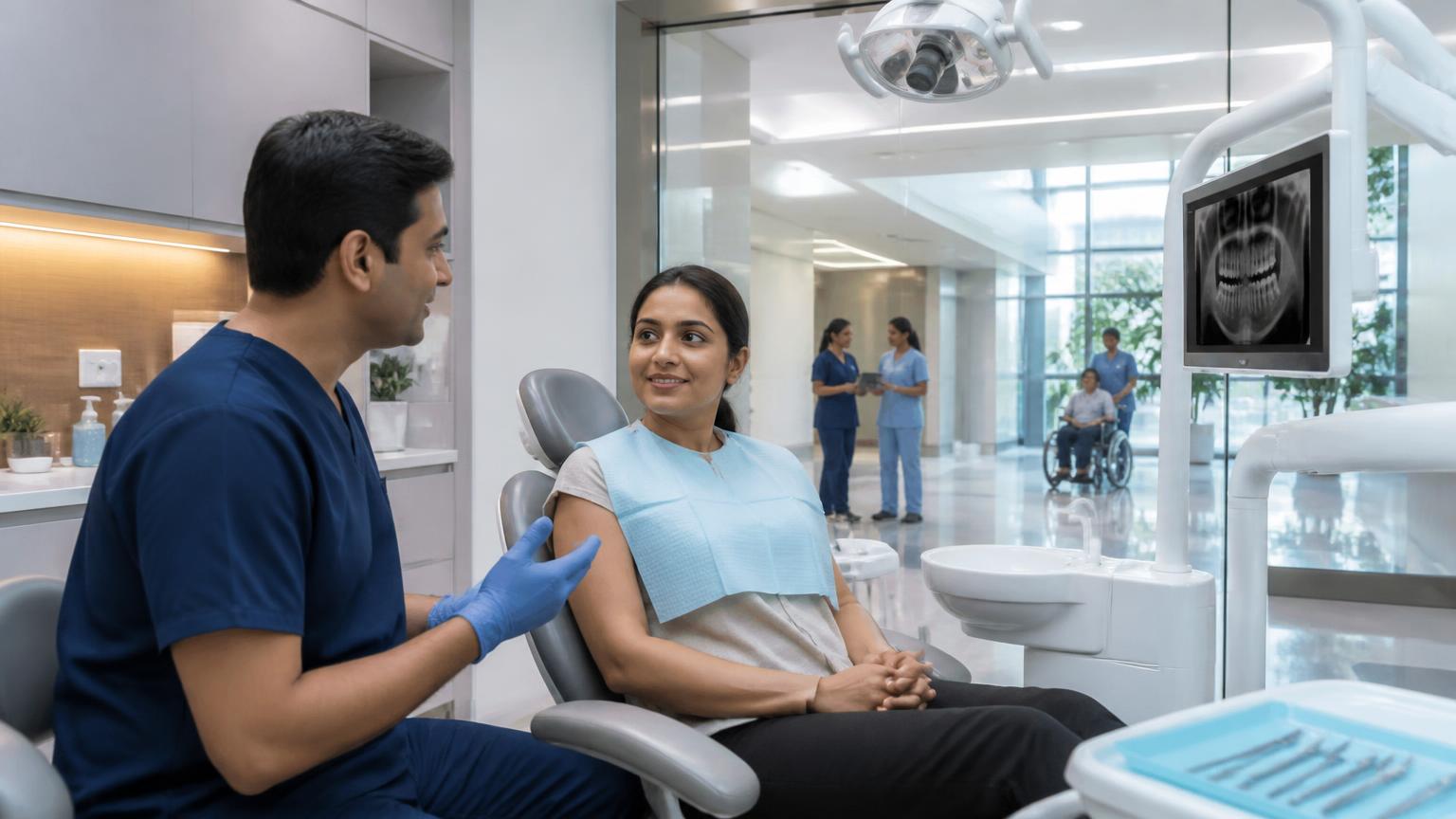
What happens during dental implant treatment?
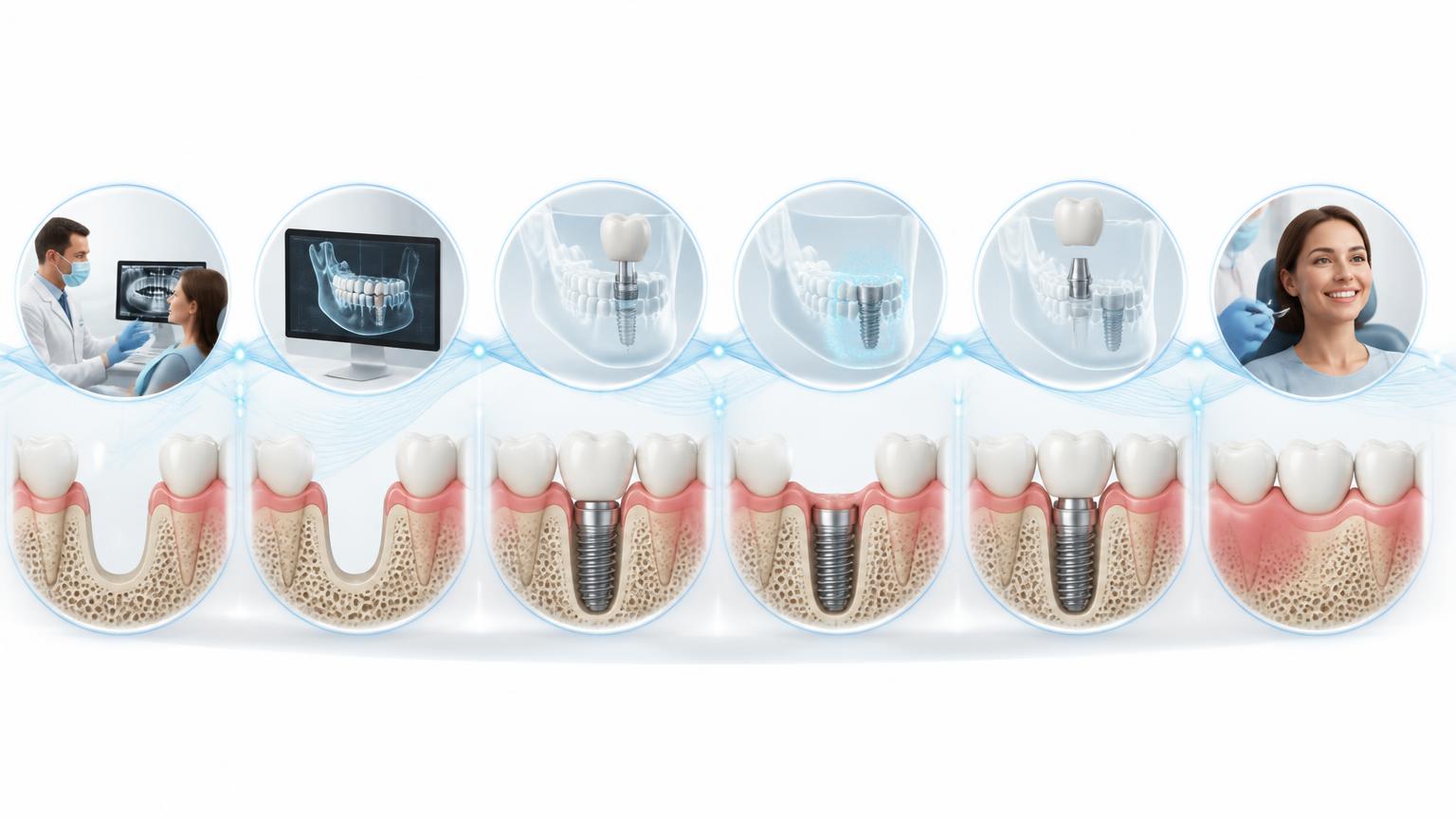
Every patient's treatment is different. However, dental implant treatment usually involves several steps.
- 1
Consultation
Your dentist examines your mouth, discusses your concerns and reviews your medical history.
- 2
Dental assessment
Your dentist may use appropriate dental imaging to understand your teeth, gums, jawbone and implant area.
- 3
Treatment planning
A treatment plan is created based on your individual dental condition and the type of replacement tooth you need.
- 4
Implant placement
The implant is carefully placed inside the jawbone using appropriate anaesthesia.
- 5
Healing
The implant needs time to heal and become stable within the jawbone.
- 6
Replacement tooth
Once the area is ready, the replacement tooth is attached to the implant.
- 7
Follow-up
Your dentist checks the implant and surrounding gums and guides you on how to care for it.
What can dental implants help with?
Depending on your individual situation, dental implants can help:
- Replace a missing tooth
- Improve chewing comfort
- Support a natural-looking smile
- Provide a stable tooth replacement
- Replace a missing tooth without using neighbouring teeth for support in some cases
- Restore everyday confidence when eating and smiling
The result and experience can be different for every patient.


Will dental implant treatment hurt?
The implant procedure is performed using appropriate anaesthesia, so you should not normally feel the procedure itself in the usual way.
After treatment, some patients may experience temporary:
- Swelling
- Tenderness
- Mild discomfort
- Minor bleeding or bruising
Your dentist will explain what to expect and provide aftercare instructions.
If you experience severe pain, heavy bleeding, significant swelling, fever or anything that concerns you, contact your dental team promptly.
How long does dental implant treatment take?
There is no single timeline for everyone.
Treatment time can depend on:
- Your jawbone condition
- Your gum health
- Whether a tooth needs to be removed first
- Whether additional bone treatment is needed
- The type of replacement tooth
- How your body heals
Your dentist can explain your expected treatment timeline after examining your case.
Are dental implants the only option?
No. A missing tooth can sometimes be replaced in different ways. Your dentist may discuss options such as:
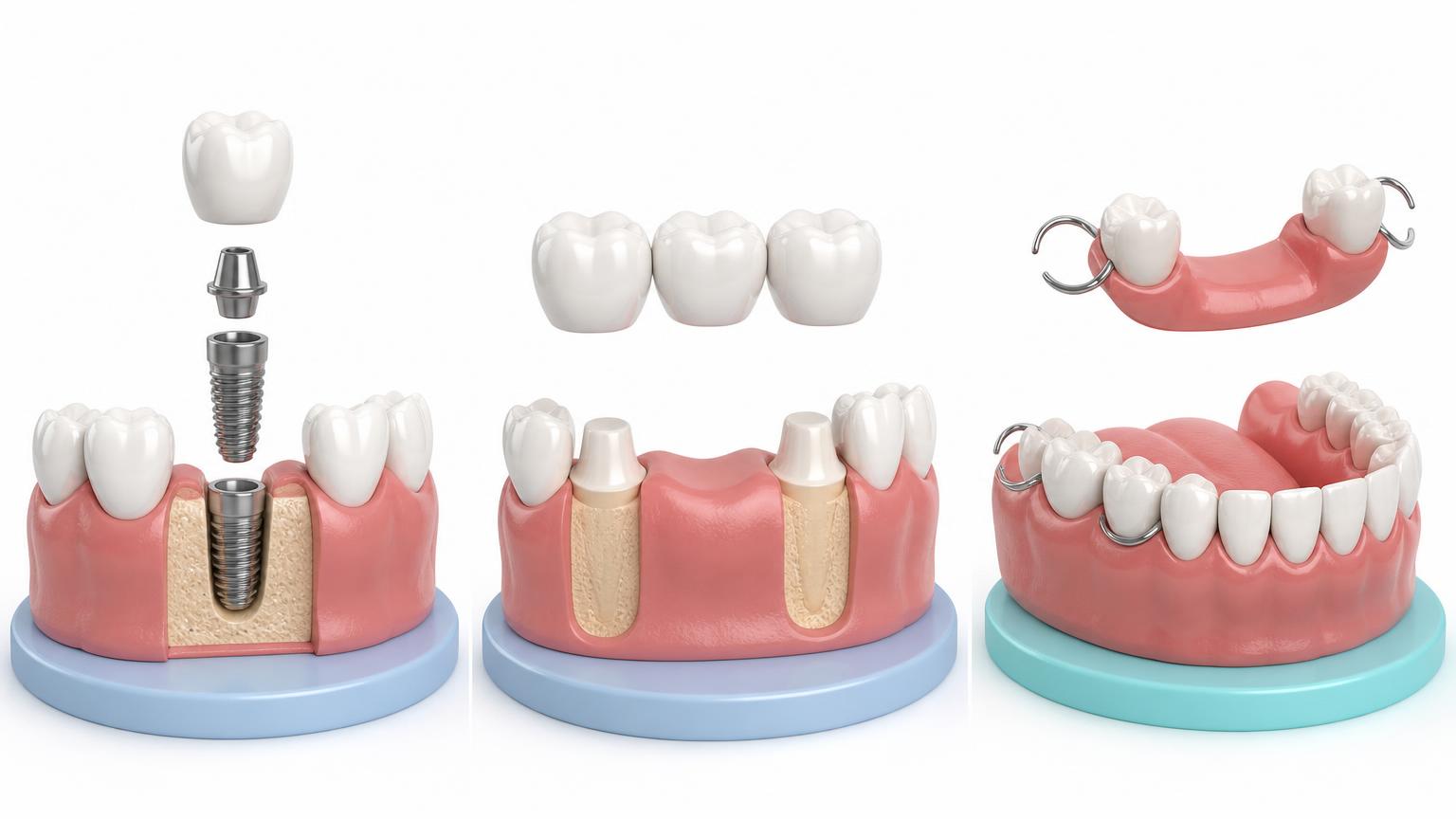
Dental implant
A replacement tooth supported by an implant placed in the jawbone.
Dental bridge
A fixed replacement that uses neighbouring teeth or implants for support, depending on the type.
Removable denture
A removable option that can replace one or more missing teeth.
The right option depends on your oral health, bone condition, number of missing teeth, preferences and treatment goals.
What can affect dental implant treatment?
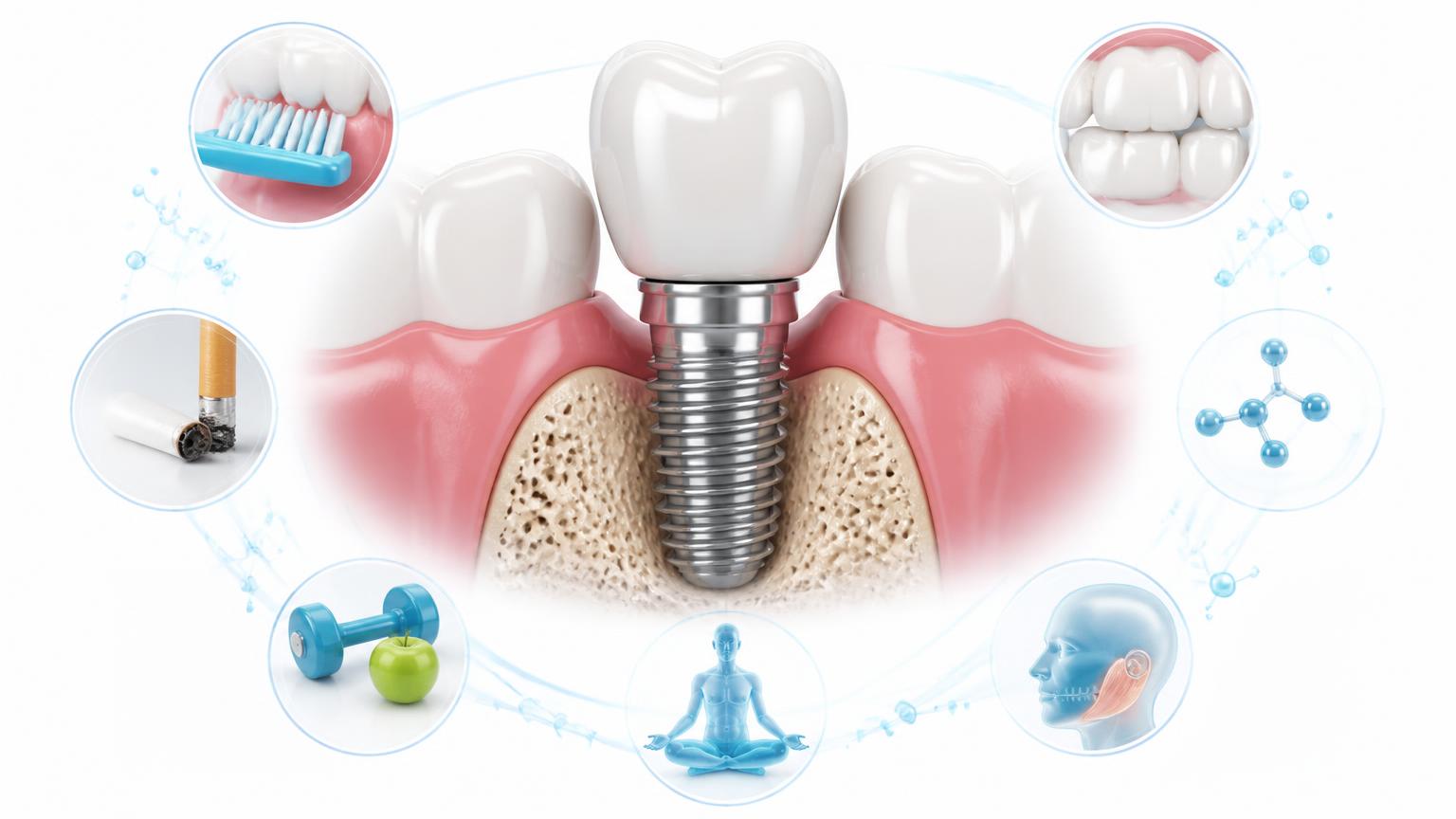
Several factors can affect implant treatment and healing. These may include:
- Gum disease
- Low bone volume
- Smoking or tobacco use
- Poor oral hygiene
- Certain medical conditions
- Certain medicines
- Teeth grinding
- Problems with healing
This is why a proper dental and medical assessment is important before treatment.
Looking after your implant is important
An implant does not mean you can stop caring for your teeth. Good daily care is important. You should:
- Brush your teeth twice a day
- Clean between your teeth as advised by your dentist
- Keep your gums healthy
- Follow your dentist's aftercare instructions
- Attend follow-up appointments
- Avoid tobacco
- Tell your dentist if you notice pain, swelling, movement or other changes
Regular dental visits help your dentist monitor the implant and the surrounding gums.


Missing a tooth? Start with a consultation.
If you have a missing tooth or are considering replacing a tooth that cannot be saved, a dental consultation is the right place to start.
Your dentist can examine your mouth, understand your needs and explain the treatment options available to you.
You do not need to decide on an implant before your consultation.
Frequently asked questions
Thinking about replacing a missing tooth?
You do not have to decide on dental implants before speaking with a dentist. Start with a consultation, understand your options and receive a treatment plan based on your individual dental needs.
The Millennium Dental — hospital-backed dental care in Navi Mumbai.