
Hospital-backed dental care in Navi Mumbai
Save a damaged tooth with root canal treatment
A deep cavity, crack, or injury can sometimes affect the soft tissue inside a tooth and cause pain or infection.
Root canal treatment removes the affected tissue, cleans the inside of the tooth, and seals it so the tooth can be restored.
At The Millennium Dental, your dentist will first examine the tooth and explain whether root canal treatment is suitable for you.
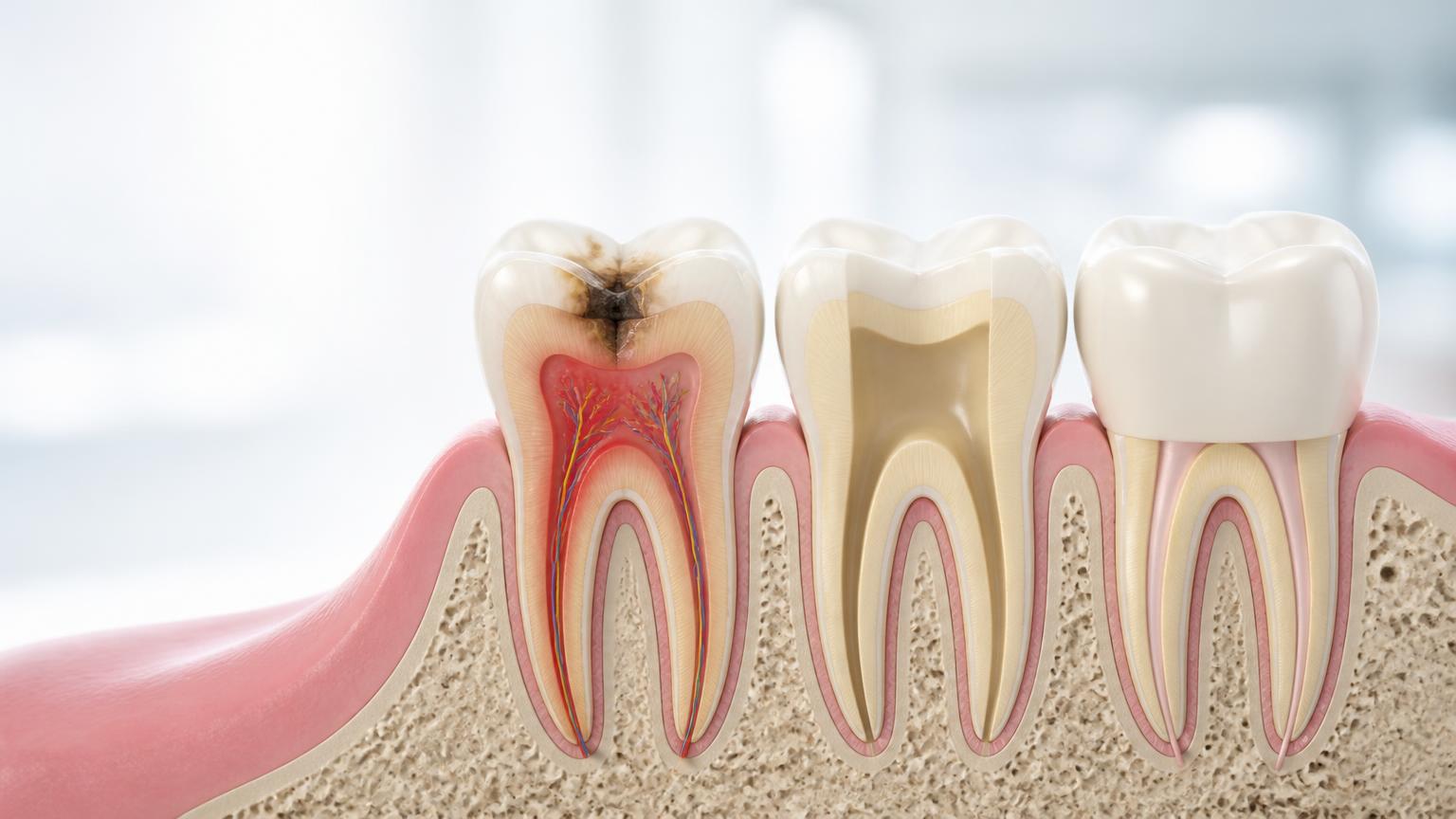
Tooth pain should not be ignored
A tooth that hurts when you eat, drink, bite, or touch it may need attention.
Sometimes a damaged tooth may cause sensitivity or pain. In some cases, there may be swelling or no obvious symptoms at all.
If the inside of a tooth becomes infected or badly inflamed, root canal treatment may be one option to treat the problem.
Getting the tooth checked early can help your dentist understand what is causing the problem.

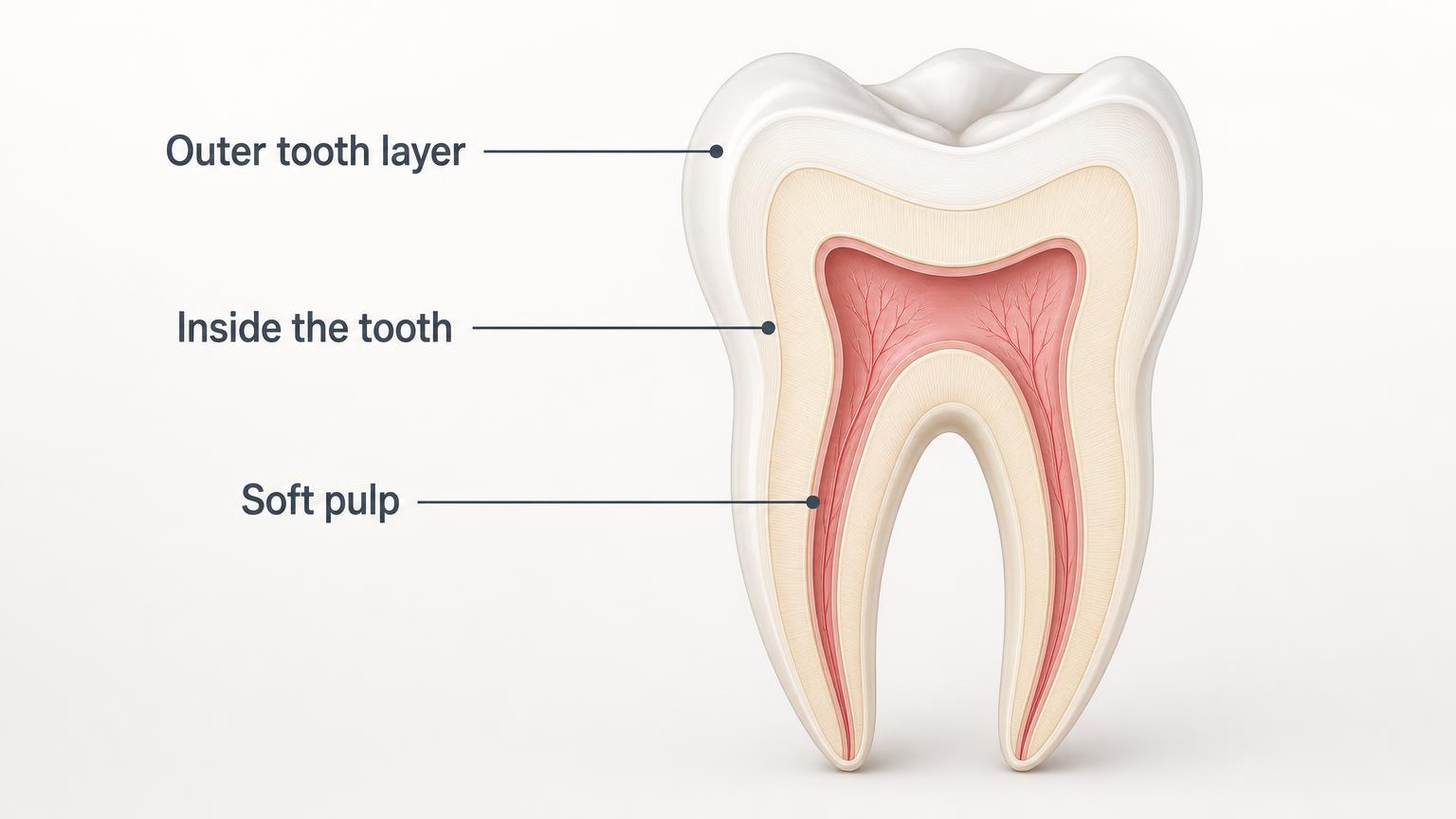
What is a root canal?
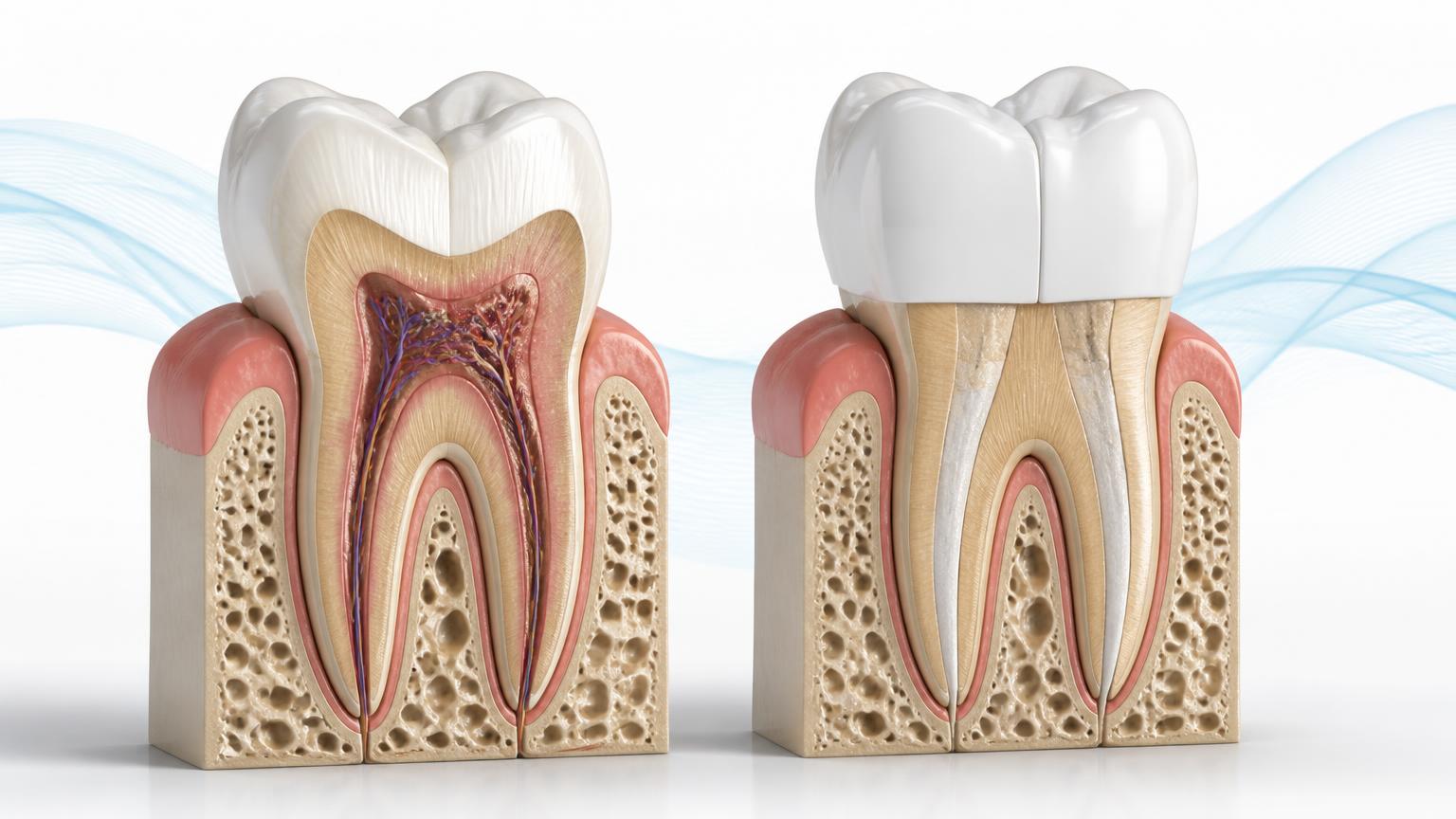
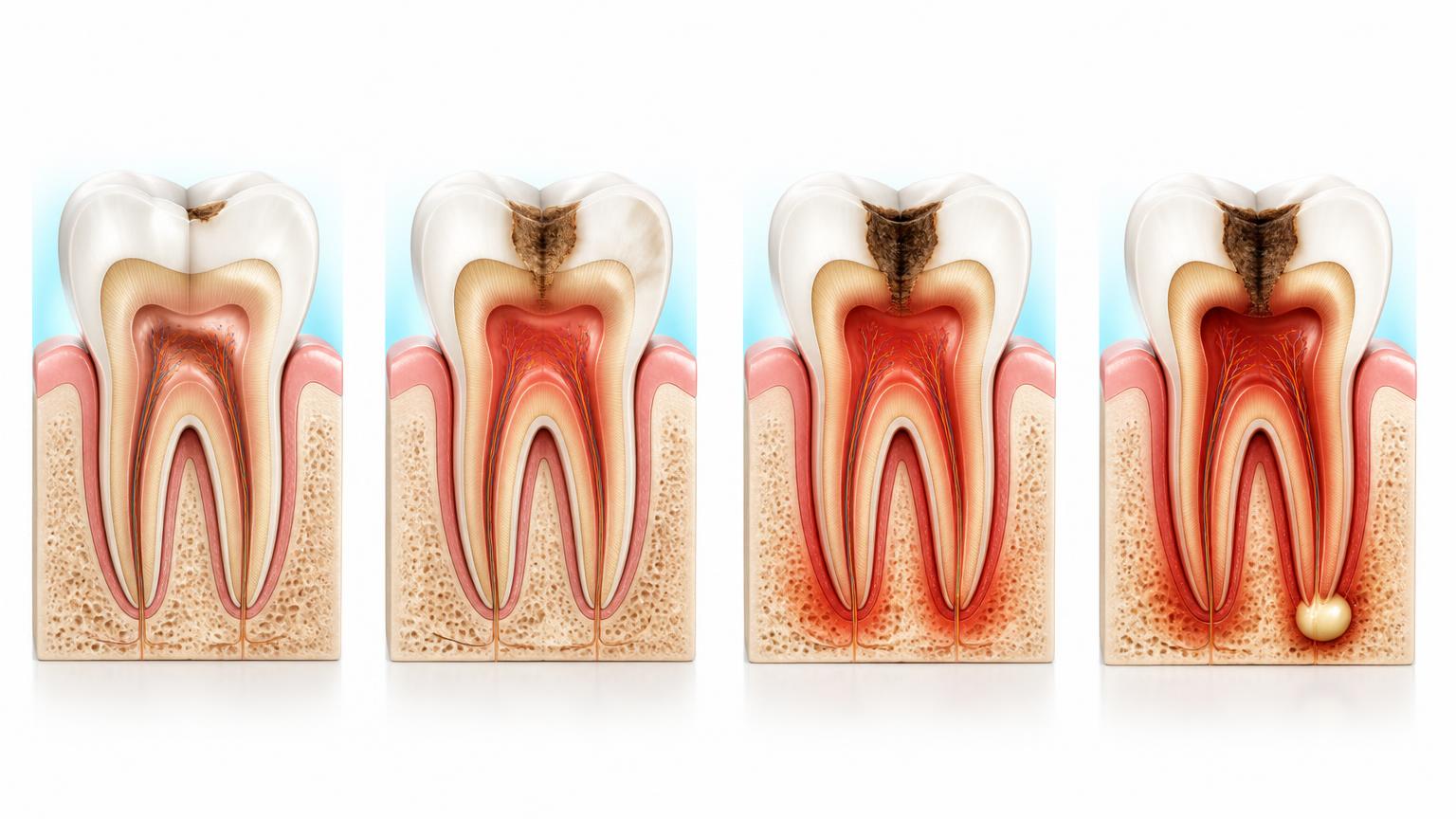
Inside every natural tooth is a soft area called the pulp.
The pulp contains nerves and blood vessels.
If the pulp becomes badly inflamed or infected, it may cause pain or other symptoms.
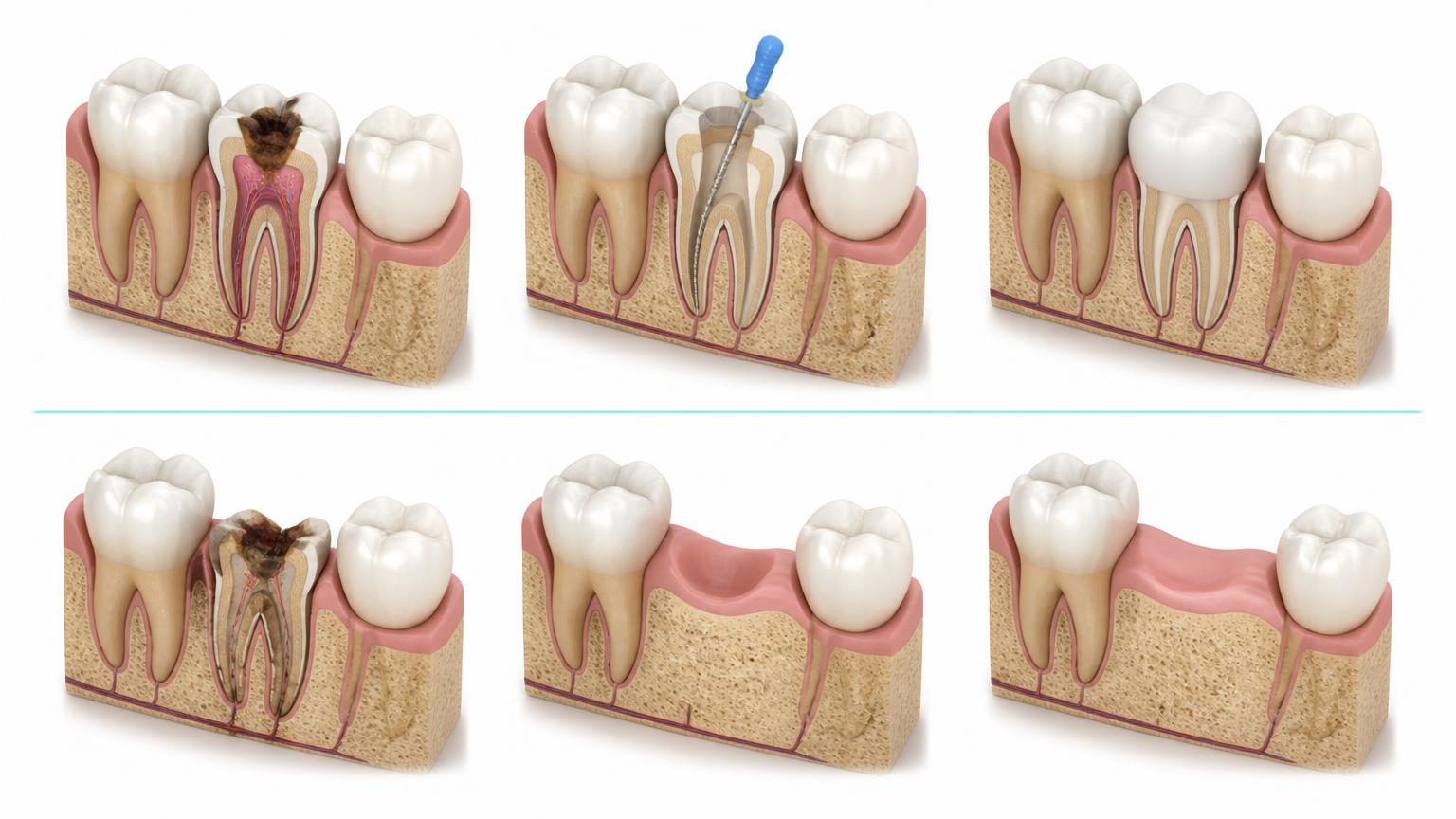
During root canal treatment, the affected pulp is removed. The inside of the tooth is then cleaned, shaped and sealed.
The tooth can then be restored to help bring back its normal function.
Why would you need a root canal?
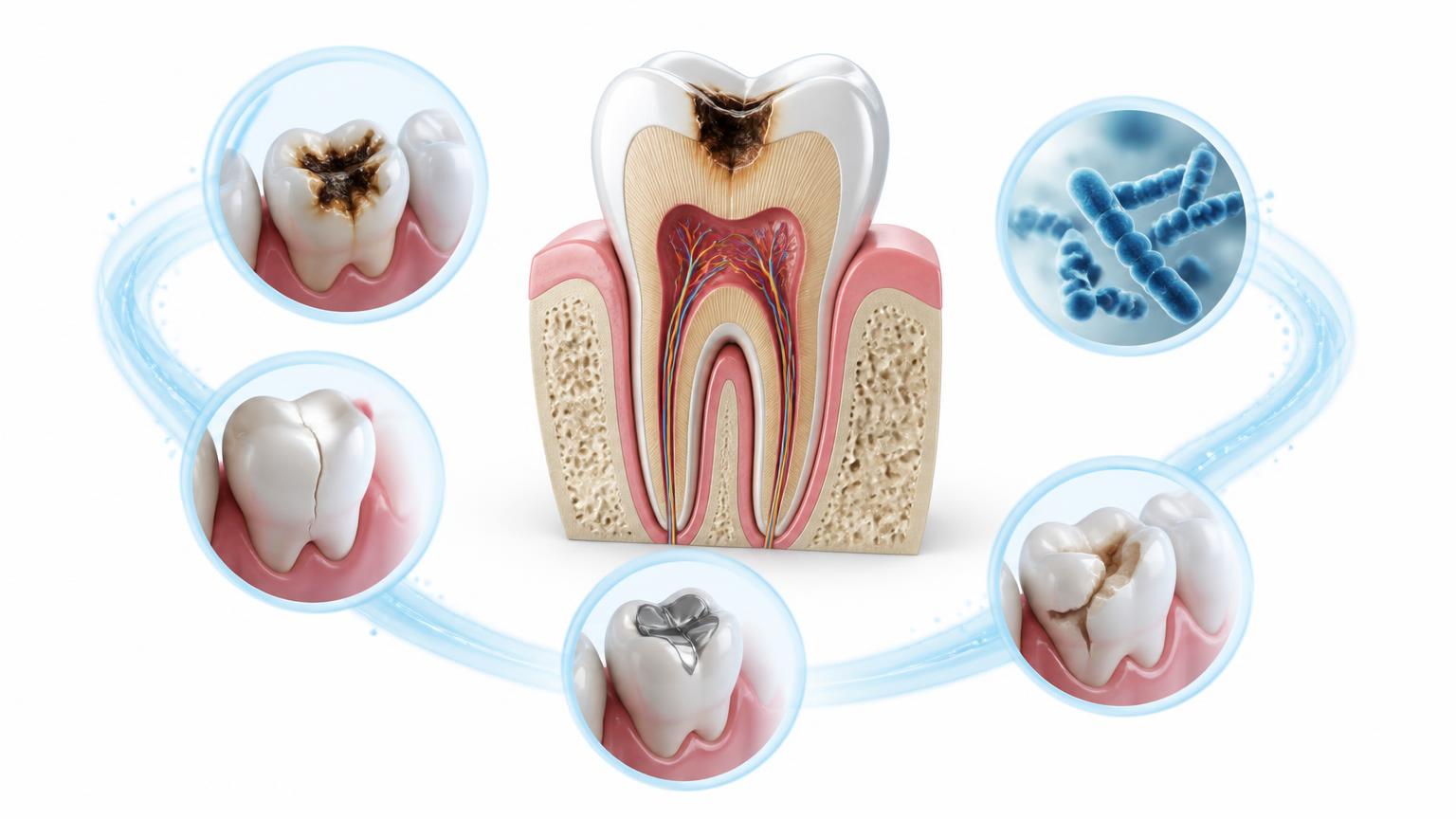
Root canal treatment may be needed when the pulp inside a tooth becomes badly inflamed or infected. This can happen because of:
- Deep tooth decay
- A crack or injury
- Repeated dental treatment on the same tooth
- Damage to the tooth
- Other problems that allow bacteria to reach the inside of the tooth
Your dentist will examine the tooth to find the cause of the problem before recommending treatment.
What symptoms should you look out for?
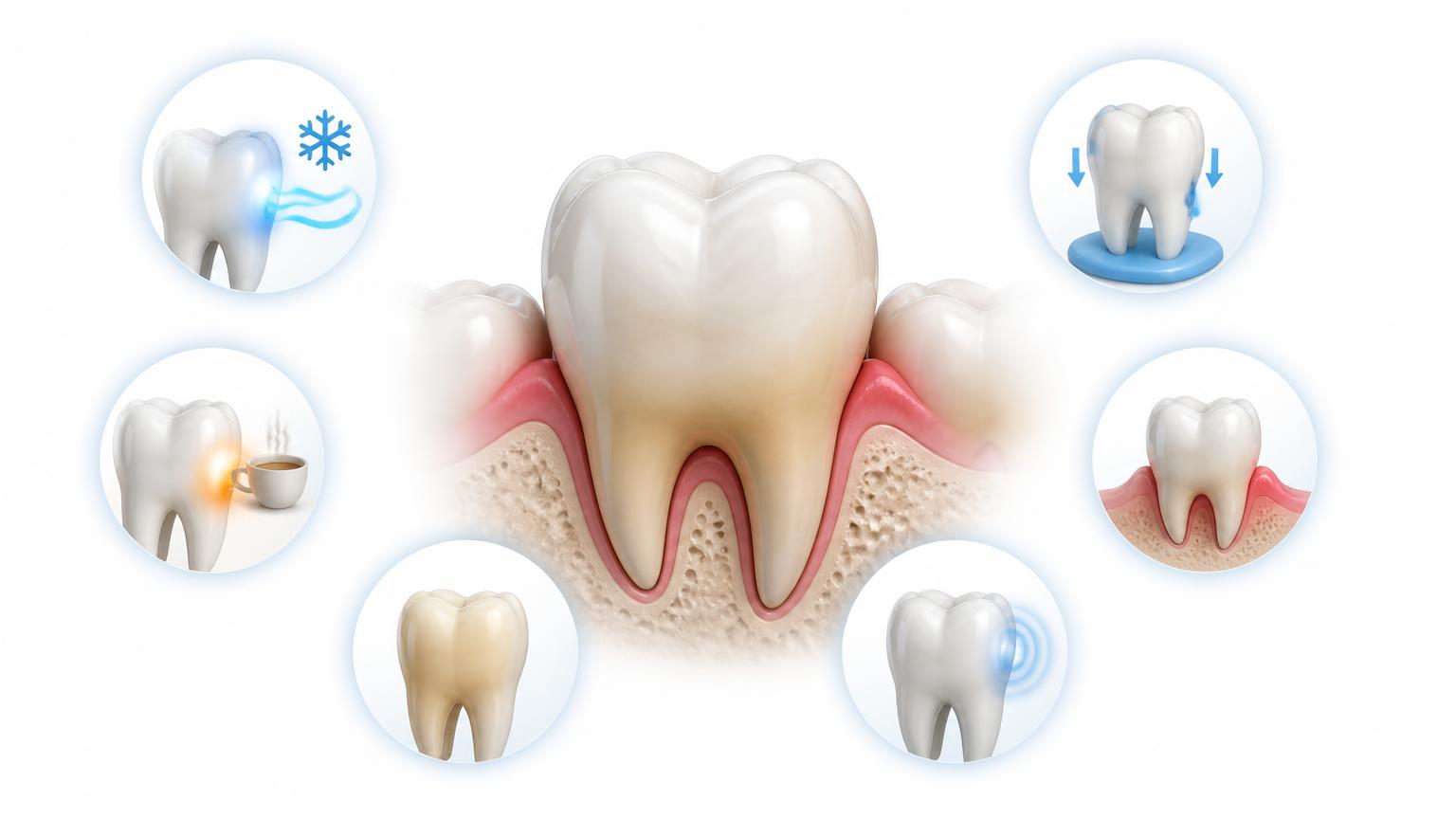
A tooth that needs attention may cause:
- Pain when biting or chewing
- Sensitivity to hot or cold
- Tooth pain that continues after eating or drinking
- Swelling around the tooth
- Tender gums near the tooth
- A darkening or change in the tooth's colour
- A bad taste or discharge in some cases
However, some teeth with problems inside them may cause very few symptoms. Only a dental examination can determine what is happening.
We first find the cause of your tooth pain
Tooth pain does not always mean you need a root canal. Different dental problems can cause similar symptoms.
Your dentist may assess:
The affected tooth
We look for decay, cracks, damage and other problems.
The pulp
The condition of the tissue inside the tooth may need to be assessed.
The surrounding tissues
The gums and area around the tooth are also checked.
Your symptoms
When the pain occurs and what makes it worse can provide useful information.
Your dental history
Previous treatment and other dental problems may be relevant.
What happens during a root canal?
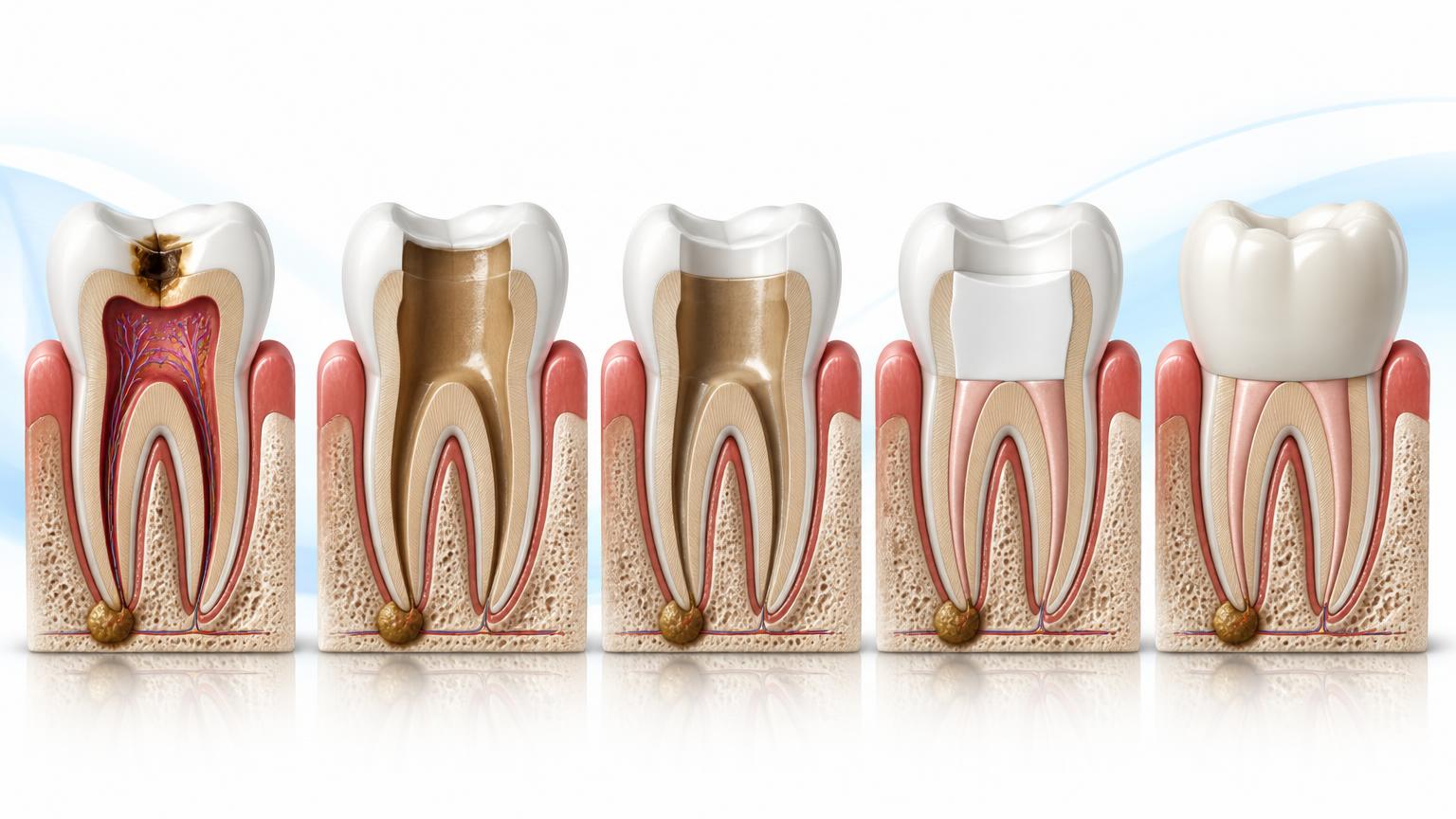
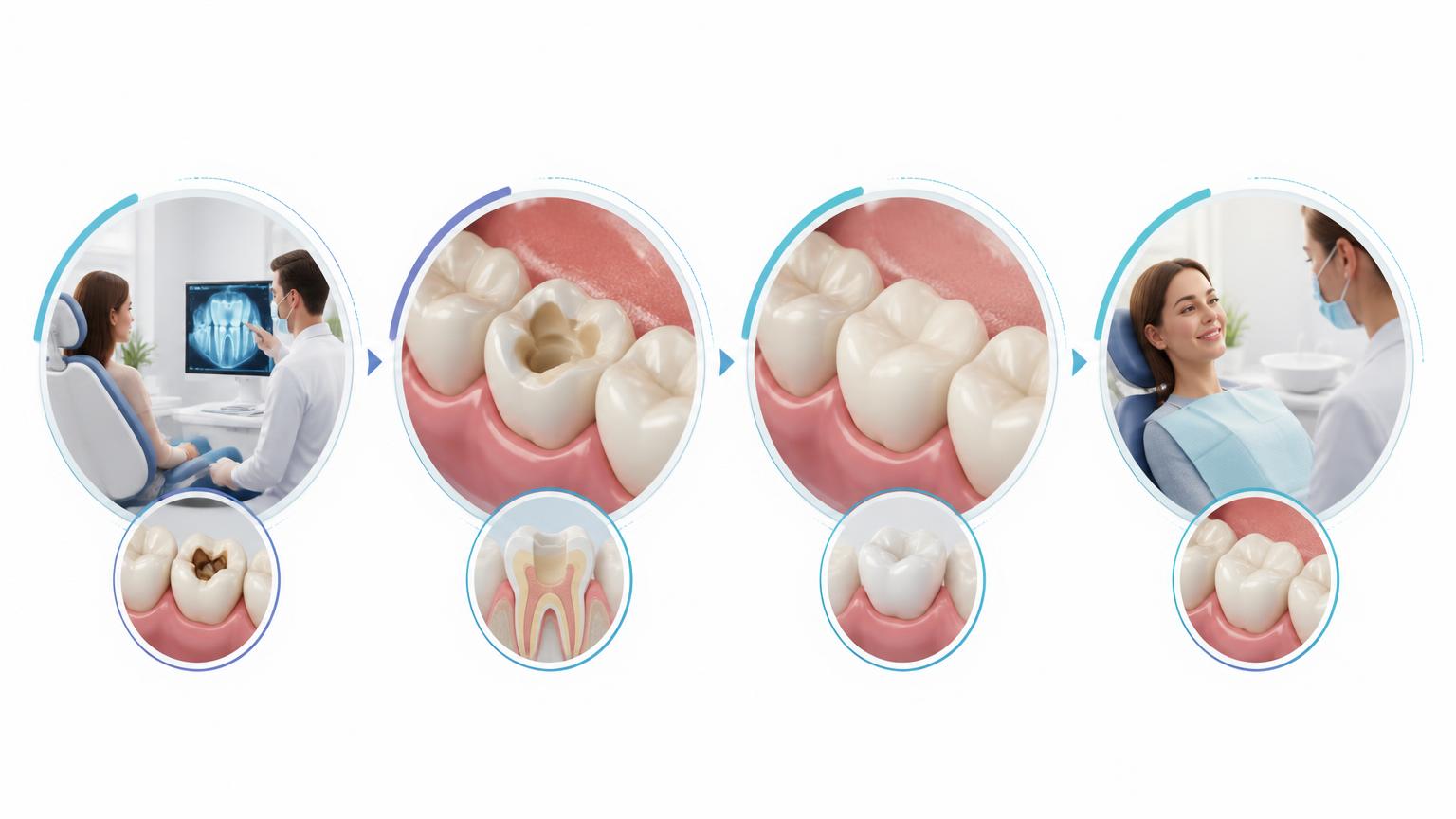
The exact treatment depends on the tooth and your individual condition. The process commonly involves several steps.
Step 1
Examination
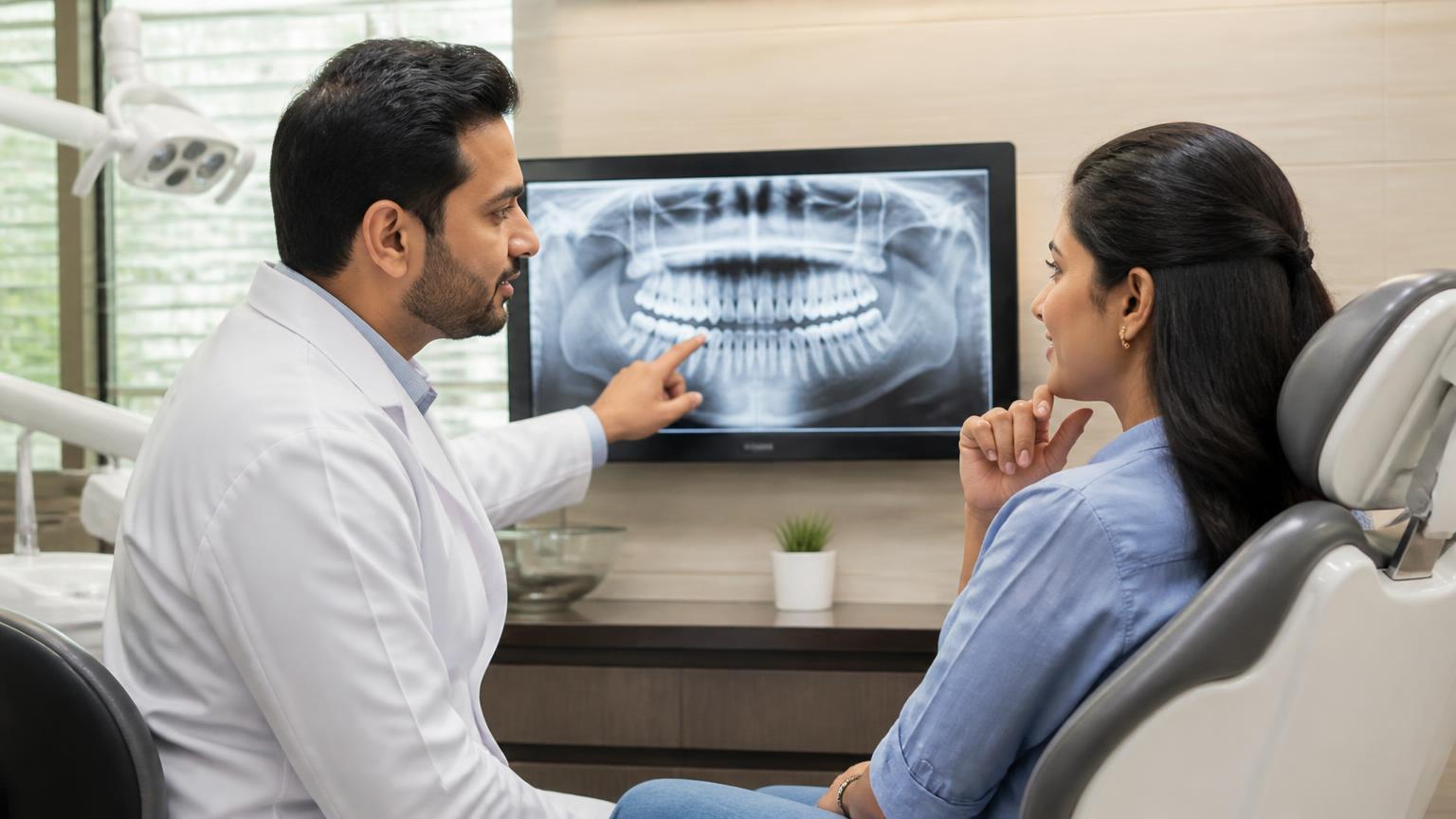
Your dentist examines the tooth and may take appropriate dental images.
Step 2
Numbing the tooth
Local anaesthesia is used to numb the area before treatment.
Step 3
Accessing the inside of the tooth
A small opening is made in the tooth to reach the affected pulp.
Step 4
Cleaning the root canals
The affected tissue is removed and the inside of the tooth is carefully cleaned and shaped.
Step 5
Sealing the tooth
The cleaned root canals are filled and sealed.
Step 6
Restoring the tooth
The tooth may need a filling, crown or another suitable restoration depending on how much tooth structure remains.
Step 7
Follow-up
Your dentist checks the restored tooth and advises you about ongoing care.
Is a root canal painful?
Root canal treatment is performed using local anaesthesia to numb the area.
During treatment, you should not normally feel the procedure itself in the usual way.
The tooth may feel tender or sensitive for a short period afterwards.
Your dentist will explain what to expect and how to care for the tooth after treatment.
If you experience severe or worsening pain, swelling, fever or another concerning symptom, contact your dental team.

What happens to the tooth after treatment?
Root canal treatment is designed to remove diseased or damaged pulp from inside the tooth while keeping the natural tooth structure in place.
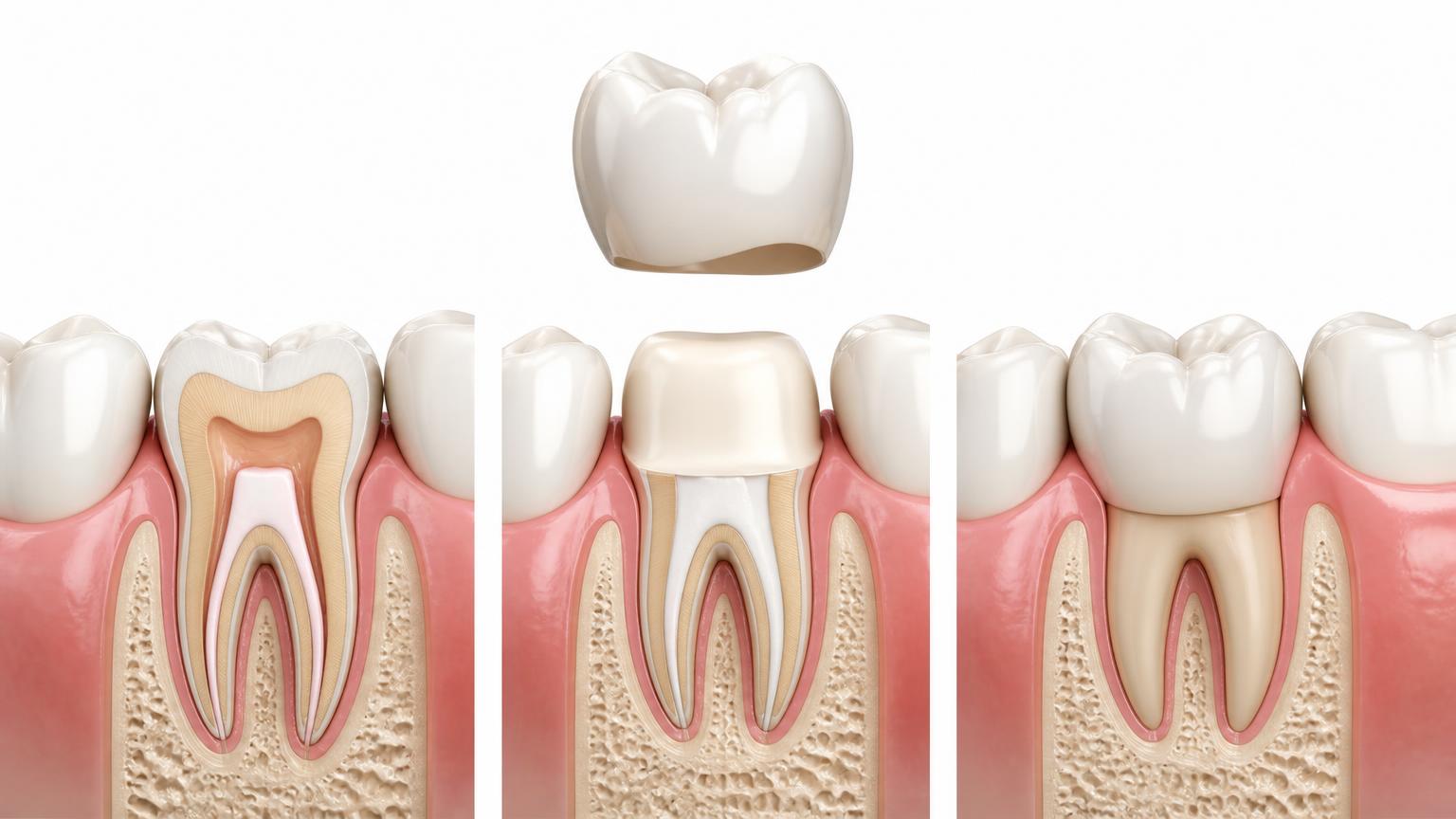
After the root canal, the tooth usually needs a suitable restoration to protect it and restore its function.
In many cases, a crown may be recommended, particularly when a large amount of tooth structure has been lost.
Your dentist will decide what restoration is appropriate for your tooth.
Protecting the tooth after root canal treatment
A tooth that has needed root canal treatment may have lost a significant amount of its natural structure.
Depending on the tooth and how much structure remains, your dentist may recommend a crown or another restoration.
The restoration helps protect the tooth and brings back its shape and function.
Your dentist will explain which option is suitable for you.
How many appointments will I need?
The number of visits depends on the tooth and your individual treatment.
Some root canal treatments may be completed in fewer visits, while more complex cases may require additional appointments.
Your dentist will explain the expected treatment plan after examining your tooth.
Don't ignore ongoing tooth pain
If a tooth has an infection or serious damage inside it, delaying treatment may allow the problem to become more complicated.
You may develop increasing pain, swelling or other problems.
In some situations, a severely damaged tooth may no longer be suitable for root canal treatment and may need to be removed.
If you have ongoing tooth pain or swelling, arrange a dental examination.

Looking after your tooth after a root canal
After treatment, follow the instructions given by your dentist. You should:
- Keep the area clean
- Brush and clean your teeth normally unless your dentist advises otherwise
- Avoid chewing very hard foods on the treated tooth until your dentist says it is ready
- Complete any recommended follow-up treatment
- Attend follow-up appointments
- Contact your dentist if pain, swelling or other unusual symptoms develop
Good oral hygiene remains important after root canal treatment.
Is removing the tooth the only option?
Not always.
When a tooth has serious damage or infection, your dentist may consider whether it can be treated and restored.
If the tooth can be successfully treated, root canal treatment may be an option to keep the natural tooth.
If the tooth cannot be restored, removal may sometimes be necessary.
Your dentist will explain the condition of the tooth and the available options before treatment.

Dental care with hospital support
Root canal treatment is a common dental procedure, but some patients may have additional medical or dental needs.
The Millennium Dental's hospital-backed setting provides added reassurance for patients who may require more complex dental or surgical care.
This may be particularly reassuring for patients who:
- Feel anxious about dental treatment
- Have complex dental needs
- Require surgical dental care
- May need additional medical support
Your dental team can explain what support is appropriate for your individual treatment.
Frequently asked questions
Tooth pain is a reason to get checked
Do not ignore ongoing tooth pain, sensitivity, swelling or pain while biting.
These symptoms can have different causes, and the sooner the tooth is examined, the sooner you can understand what is happening.
You do not need to decide on a root canal before your consultation.

Have a toothache? Let's find out why.
Tooth pain can have many causes.
A dental examination can help identify the problem and explain whether root canal treatment or another option is right for you.
The Millennium Dental — hospital-backed dental care in Navi Mumbai.