
Hospital-backed dental care in Navi Mumbai
Straighten your teeth with braces
Braces are a common orthodontic treatment used to gradually move teeth into better positions.
They can help improve crowded, crooked or spaced teeth and can also be used to correct certain bite problems.
At The Millennium Dental, your dentist or orthodontic team will assess your teeth and bite and explain whether braces are suitable for you.
Book a braces consultation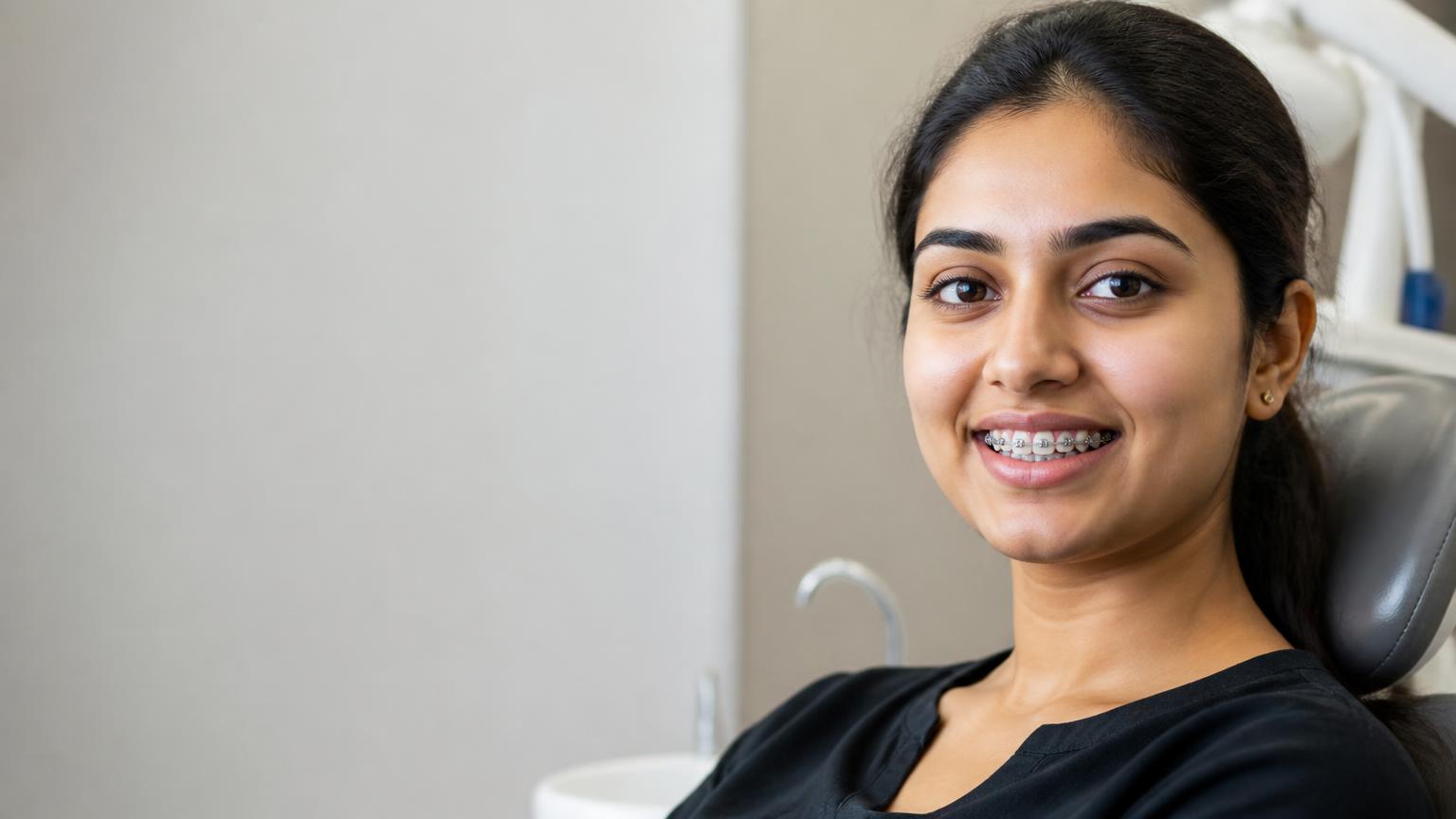
Crooked or crowded teeth can affect more than your smile
Teeth that are crowded, crooked or uneven can affect the appearance of your smile.
In some cases, misaligned teeth can also make cleaning more difficult or affect how your upper and lower teeth meet.
Braces can gradually move teeth and help improve their alignment.
Your dentist or orthodontist can assess your teeth and explain what treatment may be suitable for you.

What are dental braces?
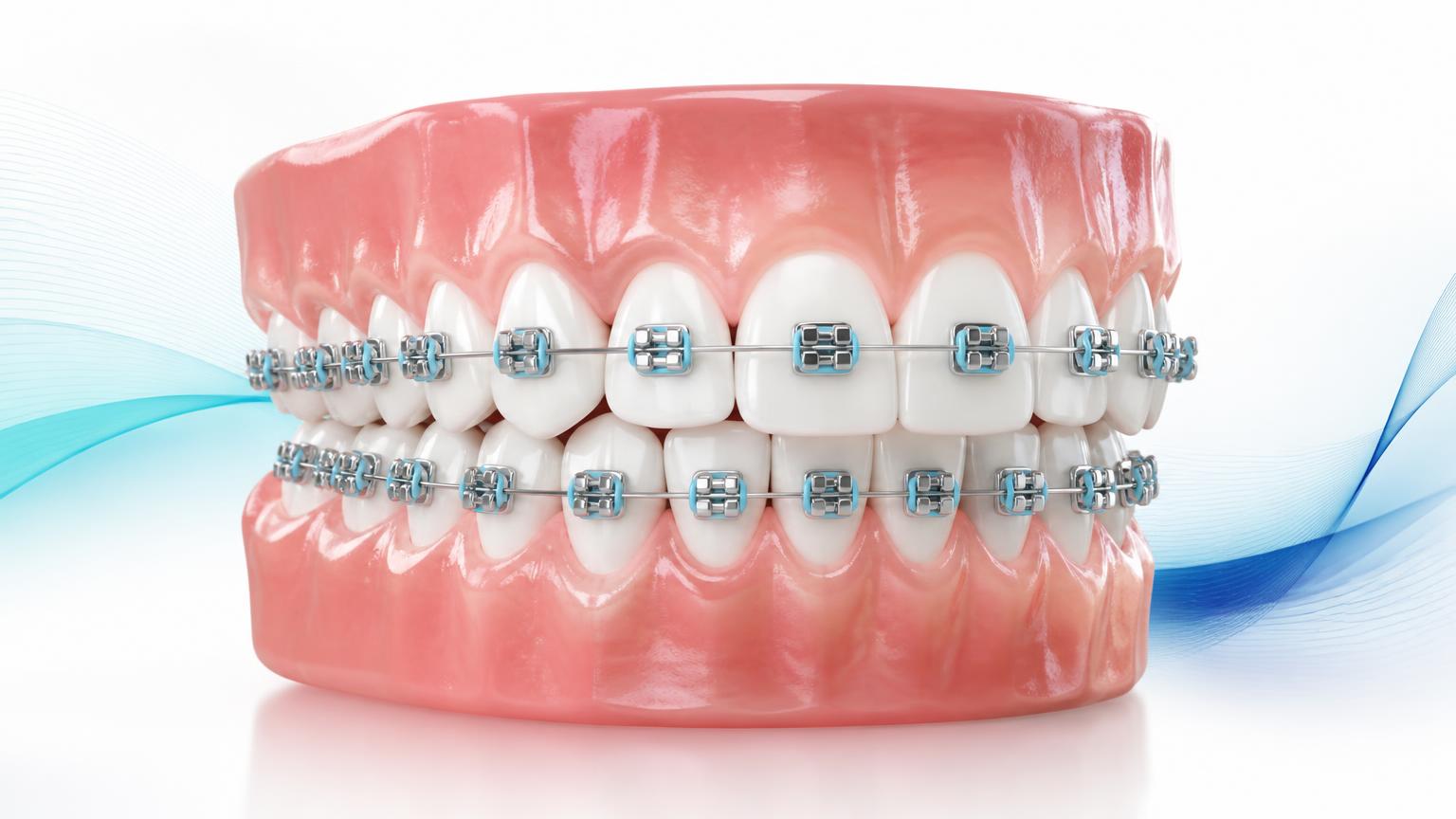
Braces are orthodontic appliances attached to the teeth to help move them gradually.
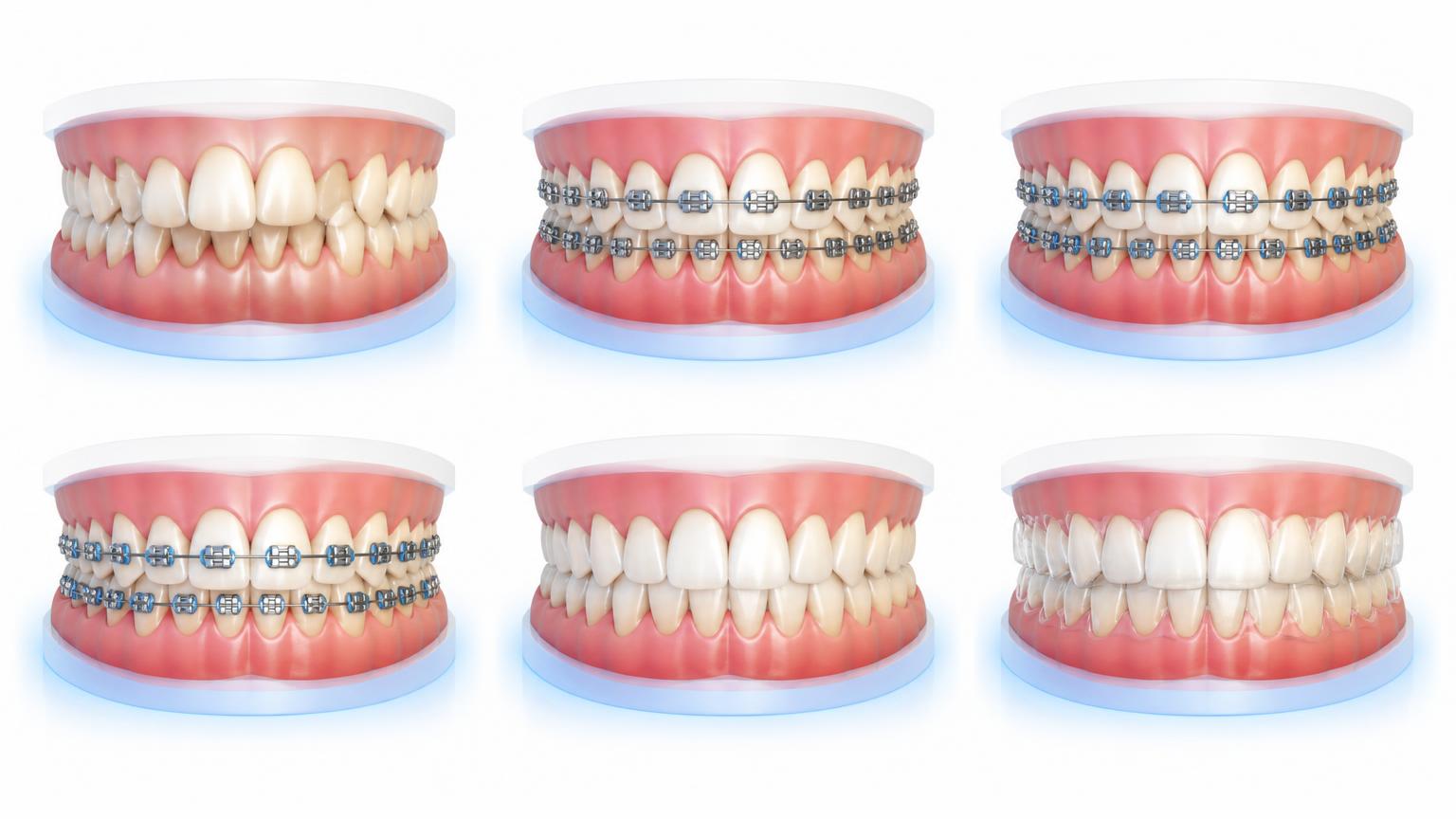
Traditional braces usually include:
- Small brackets attached to the teeth
- A wire that connects the brackets
- Other small components that help guide tooth movement
The braces apply controlled pressure to help move teeth toward their planned positions. Your orthodontic team will adjust the braces during treatment as needed.
How do braces move teeth?
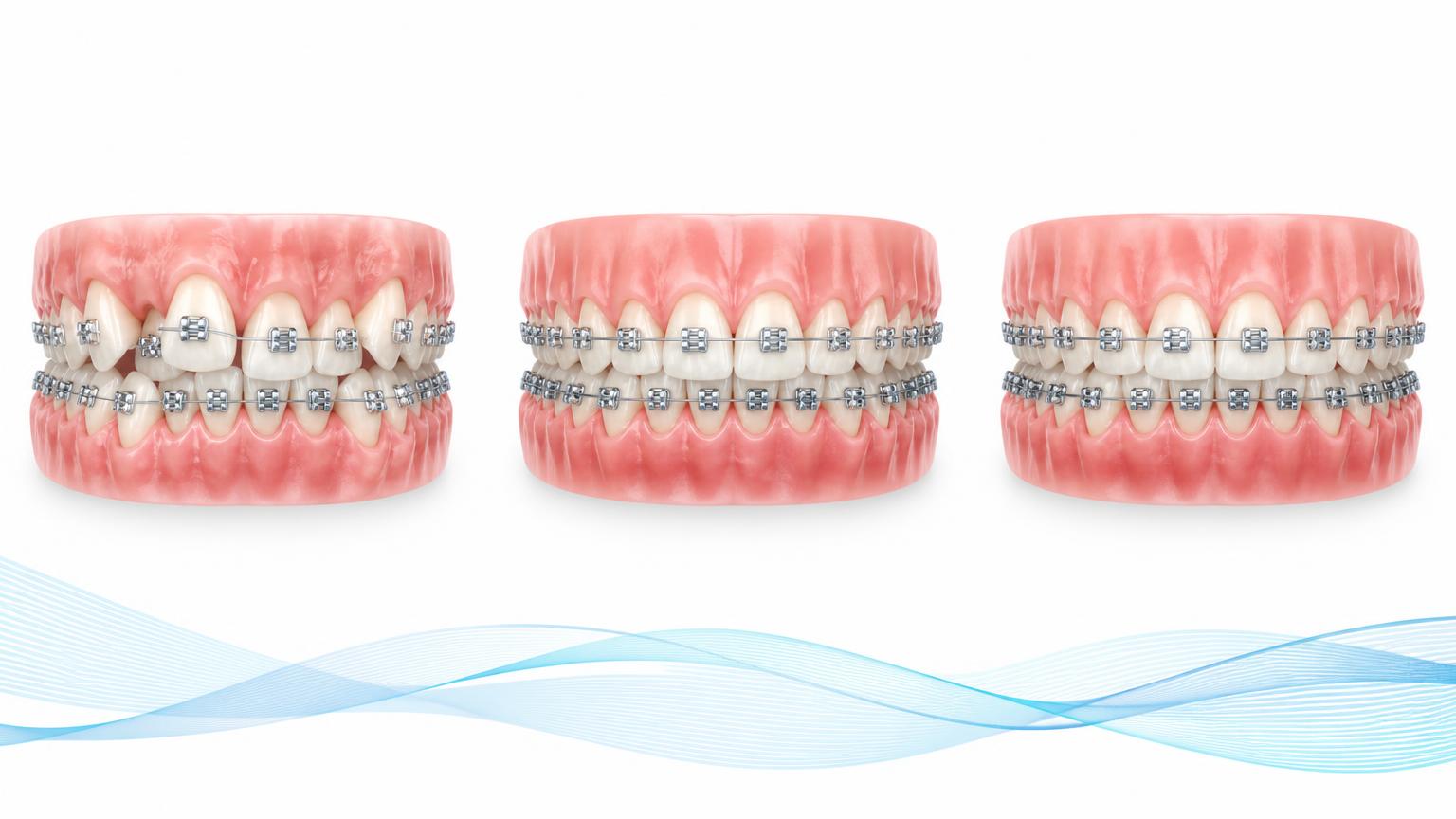
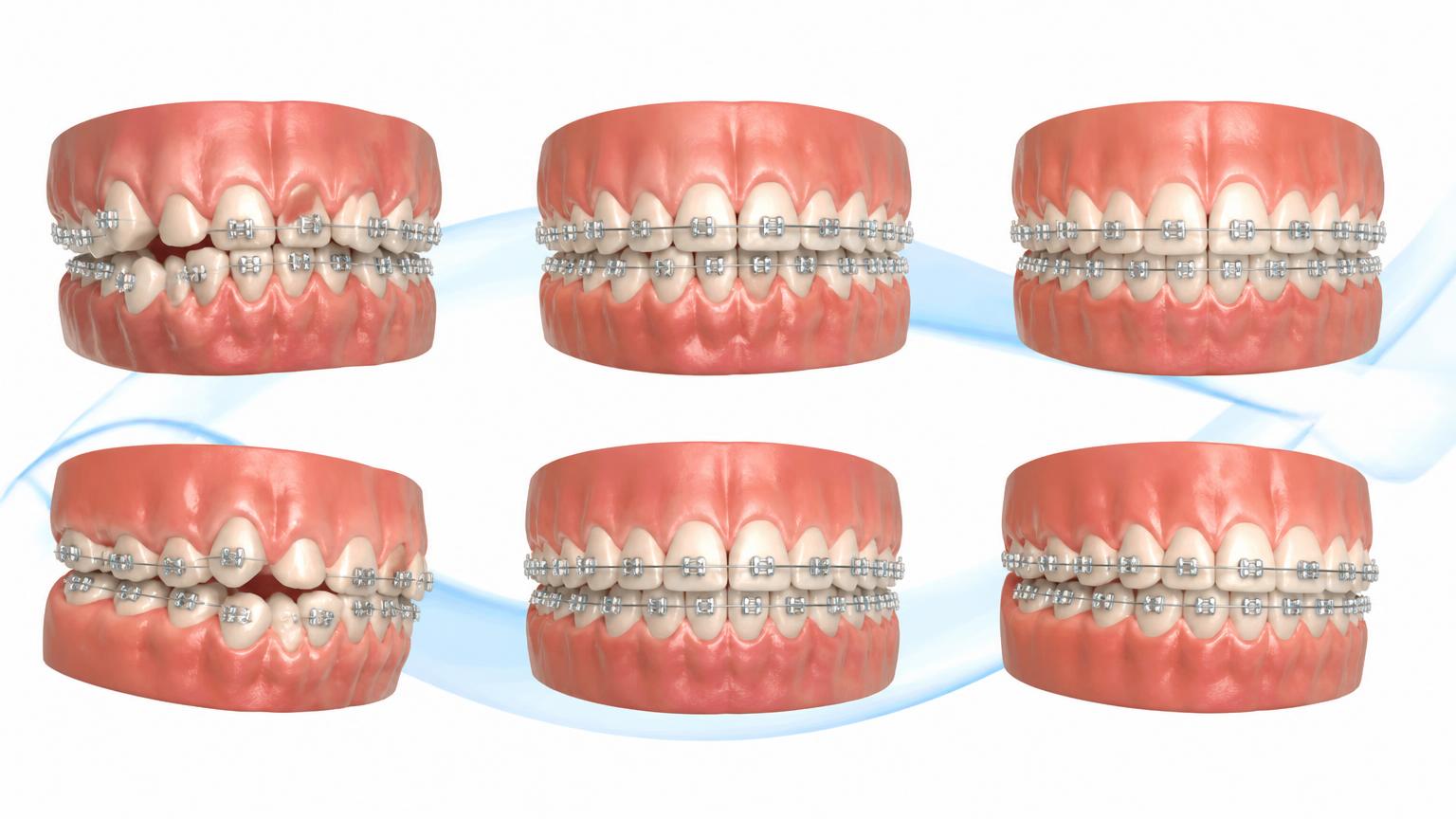
Braces use gentle, controlled forces to gradually move teeth.
Your orthodontic team adjusts the braces during regular appointments so your teeth can move according to the treatment plan.
The movement happens gradually over time.
Your treatment plan is based on your teeth, bite and individual orthodontic needs.
Who can benefit from braces?
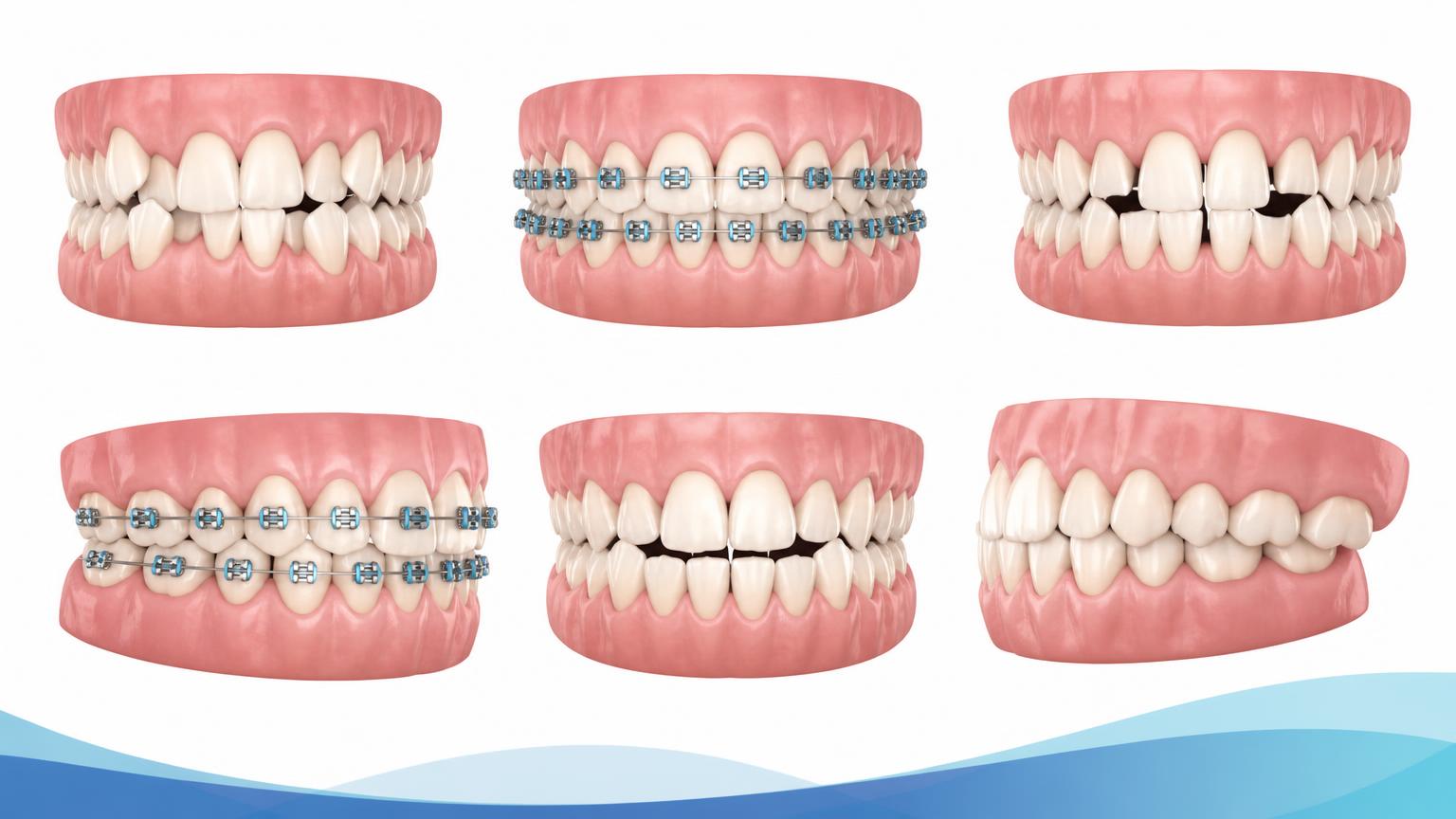
Braces may be considered for people with:
- Crowded teeth
- Crooked teeth
- Gaps between teeth
- Certain bite problems
- Teeth that need more complex movement
Braces can be used for children, teenagers and adults when orthodontic treatment is appropriate. The right treatment depends on your dental and orthodontic needs, and your orthodontist will assess your teeth and recommend the most suitable approach.
Can children and teenagers get braces?
Yes. Braces are commonly used during childhood and teenage years when orthodontic treatment is appropriate.
The best time to begin treatment depends on the child's teeth, jaw development and orthodontic needs.
An orthodontic assessment can help determine whether treatment is needed and when it may be appropriate.


Can adults get braces?
Yes. Adults can also receive orthodontic treatment when their teeth and gums are suitable.
It is never too late to ask about improving tooth alignment.
Treatment options depend on your teeth, bite, oral health and individual goals.
Your dentist or orthodontist can explain which approach may be appropriate.
Your braces are planned around your teeth
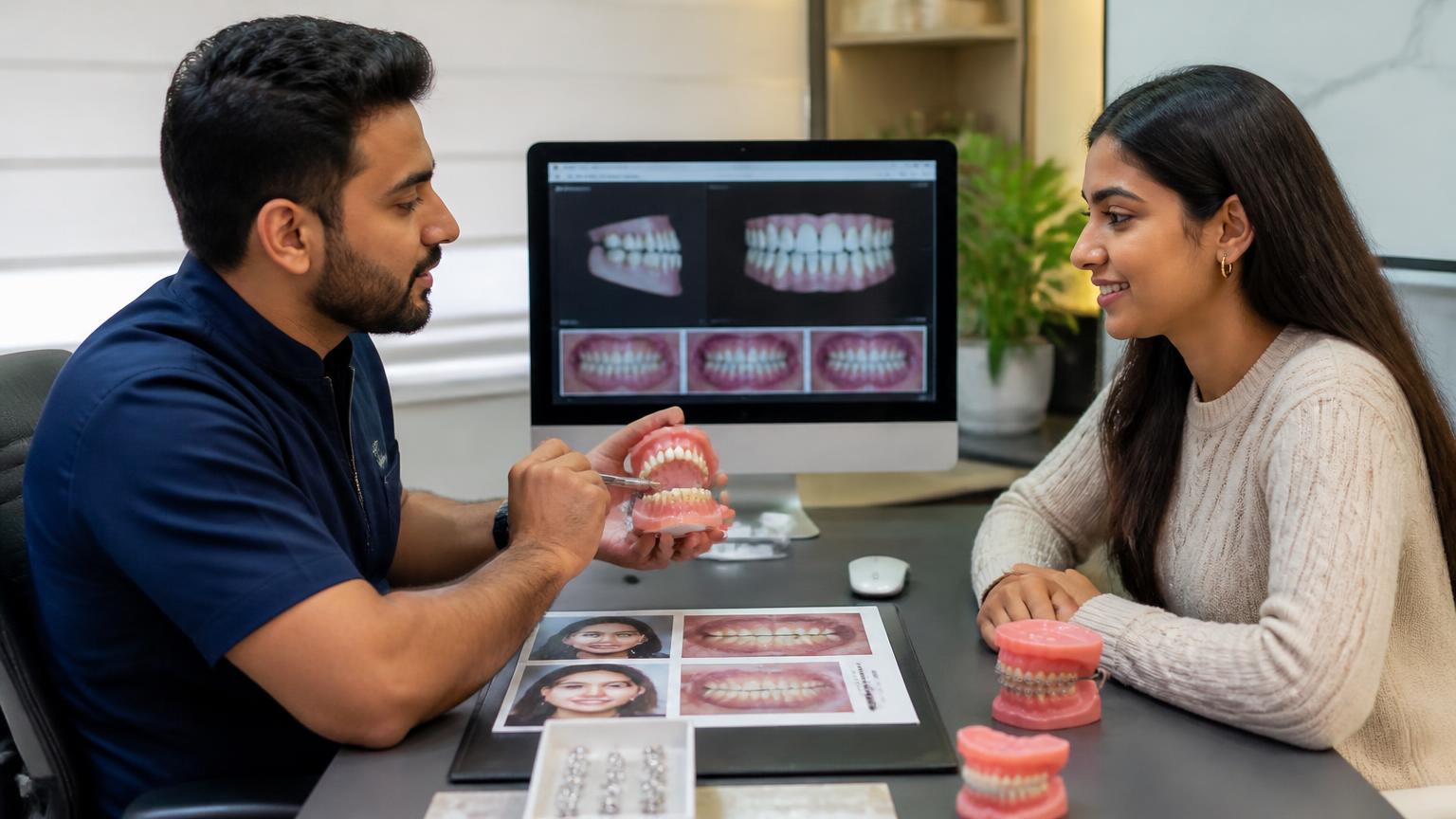
Orthodontic treatment is not the same for everyone. Before recommending braces, your dental team may assess:
- Your teeth — their position, condition and spacing
- Your bite — how your upper and lower teeth meet
- Your gums, which need to be healthy during treatment
- Your jaw and facial structure, important for certain movements
- Your treatment goals and what is realistically possible
What happens during braces treatment?
The exact treatment plan depends on your teeth and bite. It commonly includes the following steps.
- 1
Consultation
Your orthodontic team examines your teeth and discusses your concerns.
- 2
Dental assessment
Photographs, dental images or scans may be taken to understand your teeth and bite.
- 3
Treatment planning
Your orthodontist plans how your teeth need to move.
- 4
Braces placement
The brackets and other components are attached to your teeth.
- 5
Regular adjustments
You attend follow-up appointments so your team can monitor progress and make adjustments.
- 6
Braces removal
When your planned tooth movement is complete, the braces are carefully removed.
- 7
Retention
A retainer may be provided to help keep your teeth in their new positions.
Are braces painful?
You may feel pressure or mild discomfort when braces are first placed or after an adjustment.
Your teeth and mouth need time to get used to the changes.
The feeling usually changes as you adjust to the braces.
If you experience significant or persistent pain, contact your orthodontic team.

How long will I need braces?
There is no single treatment time for everyone. Treatment length can depend on:
- The amount of tooth movement needed
- Your bite
- The complexity of your case
- How consistently you attend appointments
- How well you follow your orthodontic instructions
- How your teeth respond to treatment
Your orthodontist can provide an estimated treatment timeline after assessing your teeth.
What can you eat with braces?
You can continue eating many everyday foods with braces.
However, some hard, sticky or very chewy foods can damage brackets or wires.
Your orthodontic team will explain which foods to avoid and how to protect your braces.
Cutting harder foods into smaller pieces can also make eating easier.

Keeping your teeth clean is very important
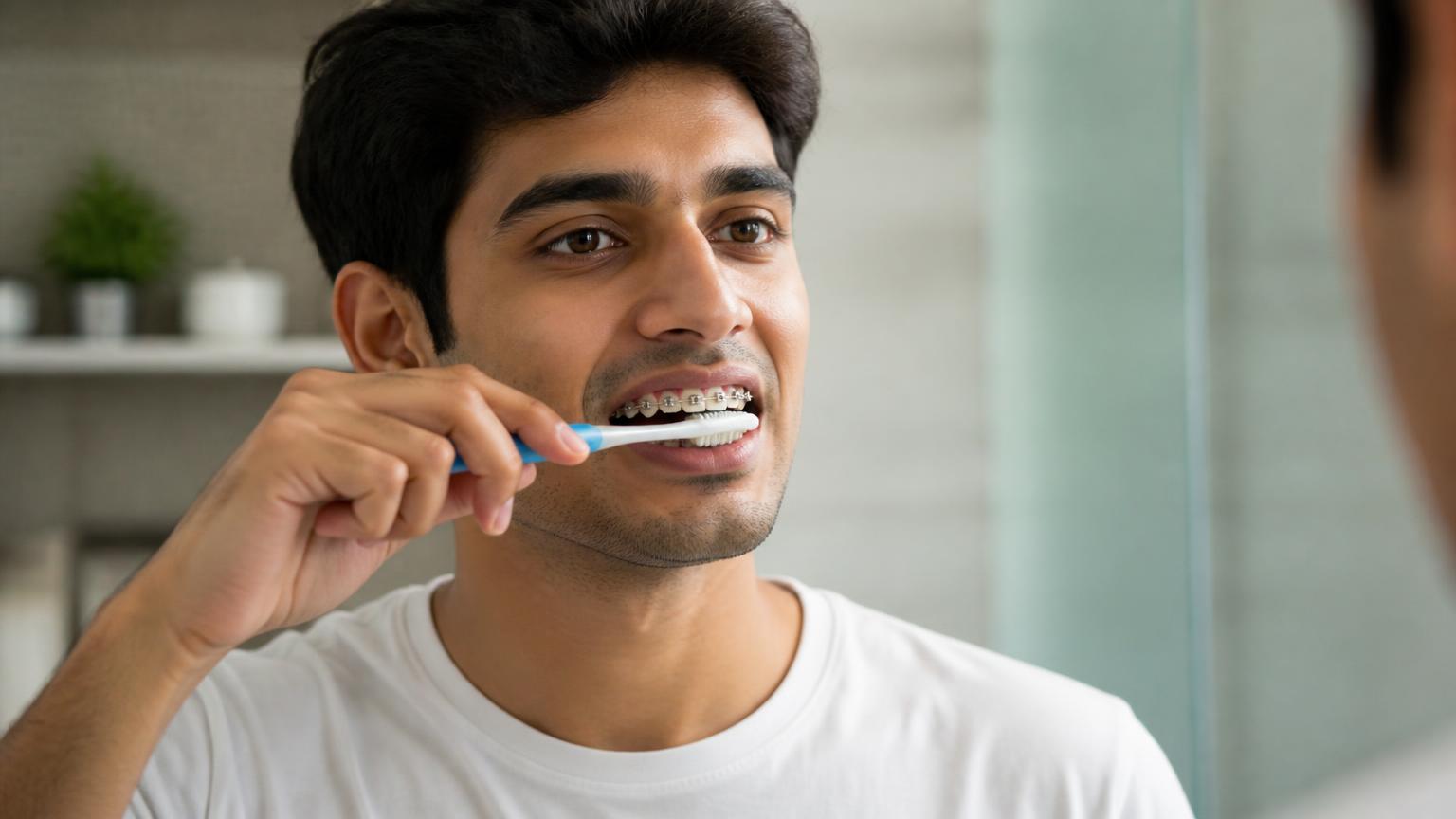
Food can collect around brackets and wires. Good cleaning helps protect your teeth and gums during orthodontic treatment.
- Brush carefully around the brackets
- Clean between your teeth
- Follow your orthodontist's cleaning instructions
- Attend regular dental check-ups
- Keep your braces and teeth clean throughout treatment
Your dental team can show you the best way to clean around your braces.
Don't forget between your teeth
Brushing alone may not clean every area around braces.
Your orthodontic team may recommend tools such as interdental brushes or other cleaning aids.
Ask your dental team to show you how to clean around your brackets and wires properly.


What should you do if your braces break?
A bracket can sometimes become loose or a wire can move.
If this happens, contact your orthodontic team for advice.
Do not try to repair the braces yourself.
If a wire is causing discomfort, follow the instructions given by your dental team until you can be seen.
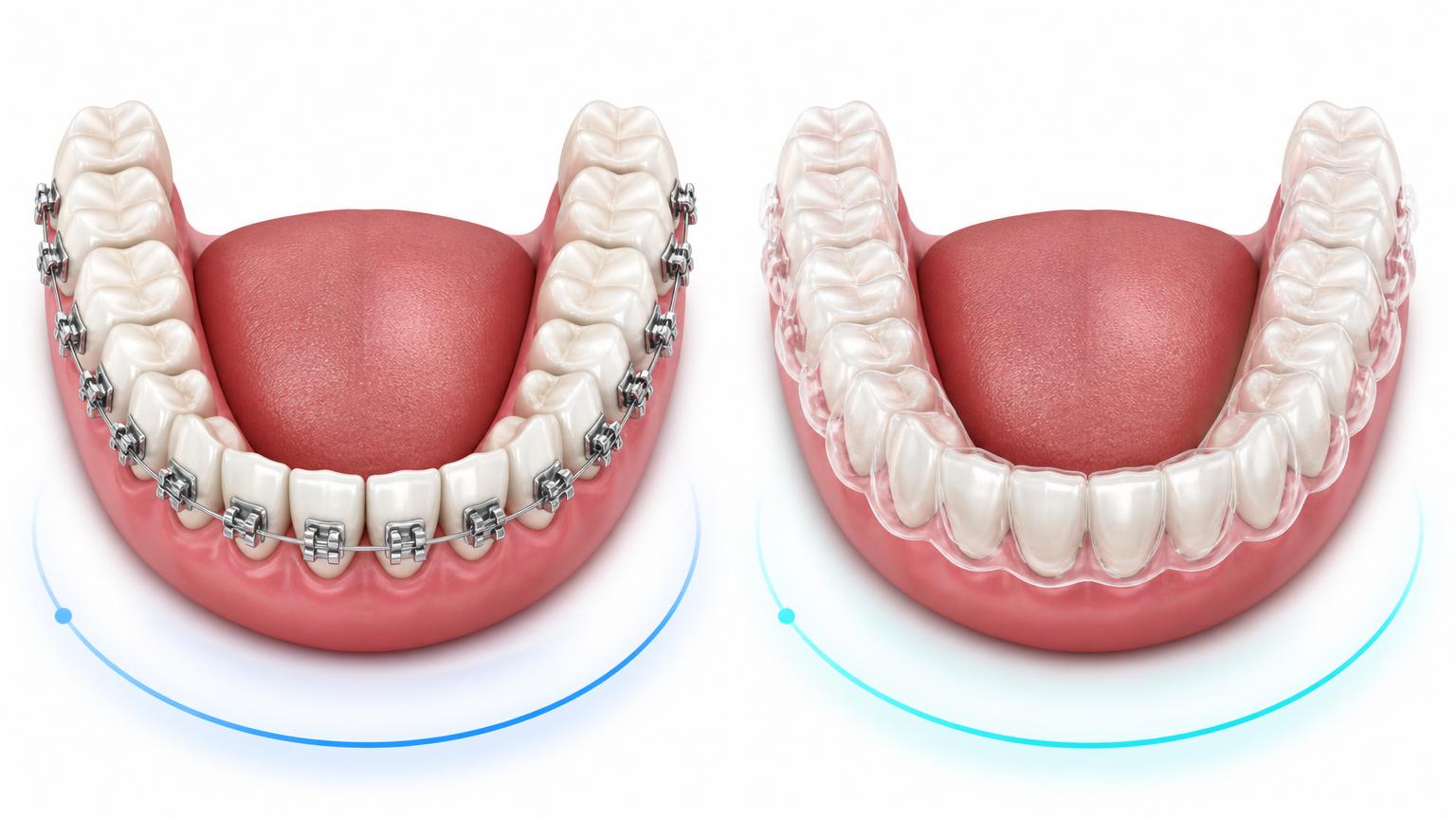
Braces or clear aligners?
Both braces and clear aligners can move teeth, but they work differently.
Braces are fixed to your teeth, remain in place during treatment, can be used for many different orthodontic problems and require careful cleaning around brackets and wires.
Clear aligners are removable, less noticeable, removed for eating and cleaning, and need to be worn according to your treatment plan.
Your orthodontist can help you understand which option is suitable for your teeth and bite. You can also read more about clear aligners.
Can you play sports with braces?
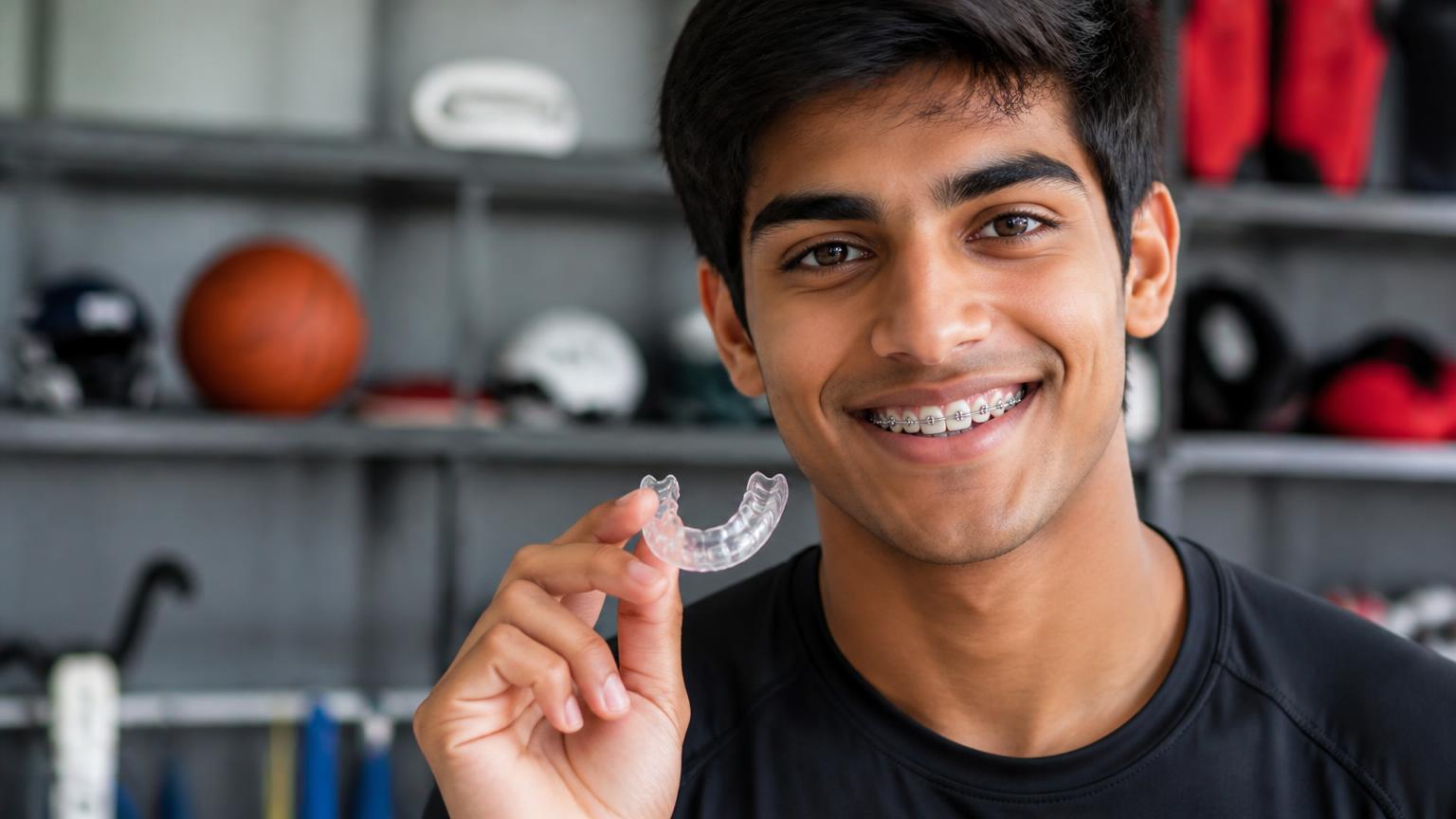
Many people can continue playing sports while wearing braces.
If you play contact sports, your orthodontic team may recommend a suitable mouthguard to help protect your teeth and braces.
Ask your orthodontist which type of mouth protection is appropriate for you.
Your regular dental care still matters
Orthodontic appointments are important for moving your teeth.
But you should also continue your regular dental care.
Your dentist can monitor your teeth and gums for cavities, gum problems and other dental concerns during orthodontic treatment.
Keeping your mouth healthy is an important part of your orthodontic journey.

What happens after your braces are removed?
Finishing active orthodontic treatment is not the end.
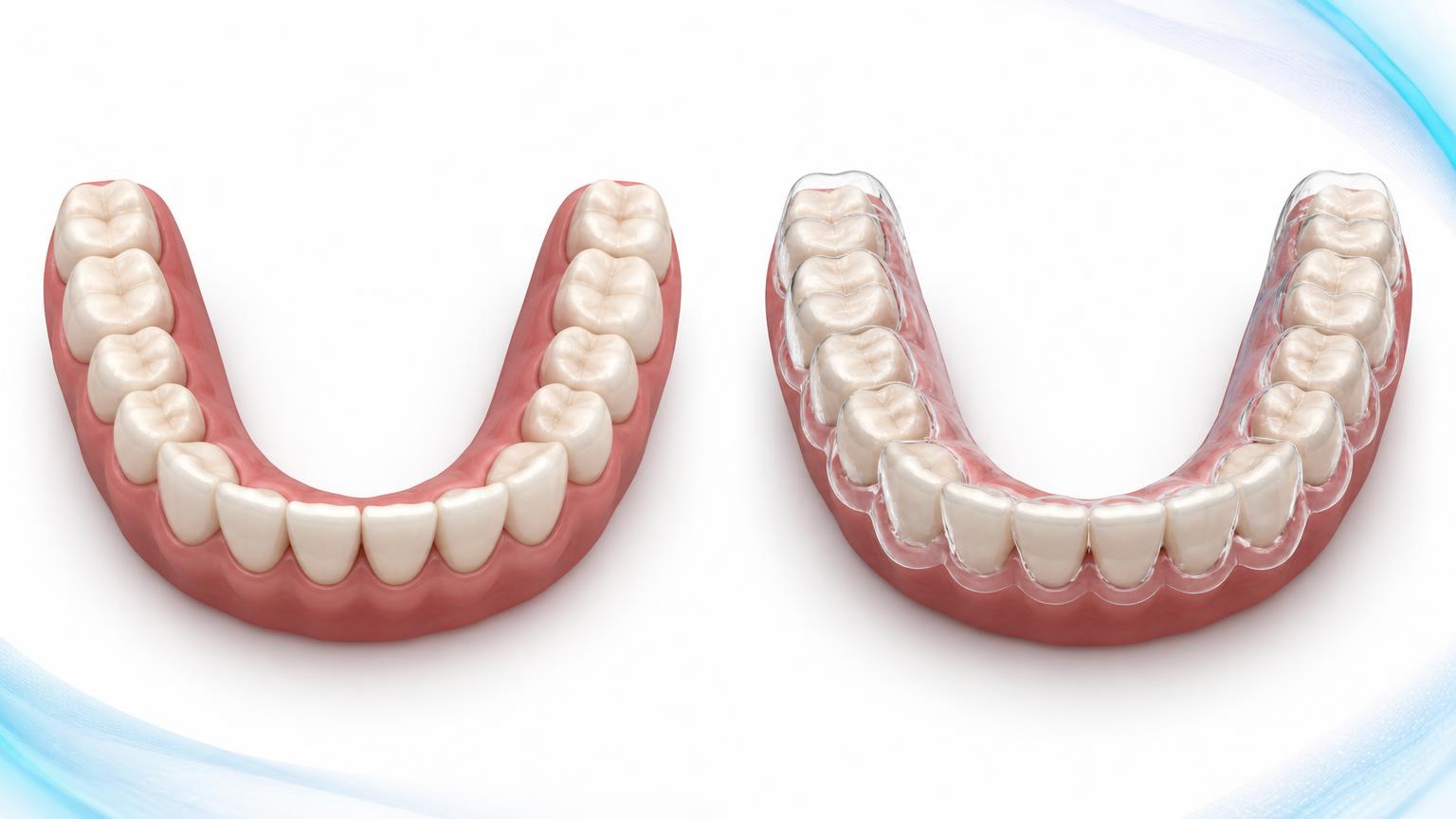
Your dentist or orthodontist may recommend a retainer to help keep your teeth in their new positions.
Teeth can naturally move over time, so following your retainer instructions is important.
Your orthodontic team will explain how and when to wear your retainer.
Can teeth move again?
Teeth can naturally shift after orthodontic treatment.
This is why retainers are often an important part of maintaining your result.
How long and how often you need to wear a retainer depends on your individual treatment plan.
Follow your orthodontist's instructions carefully.
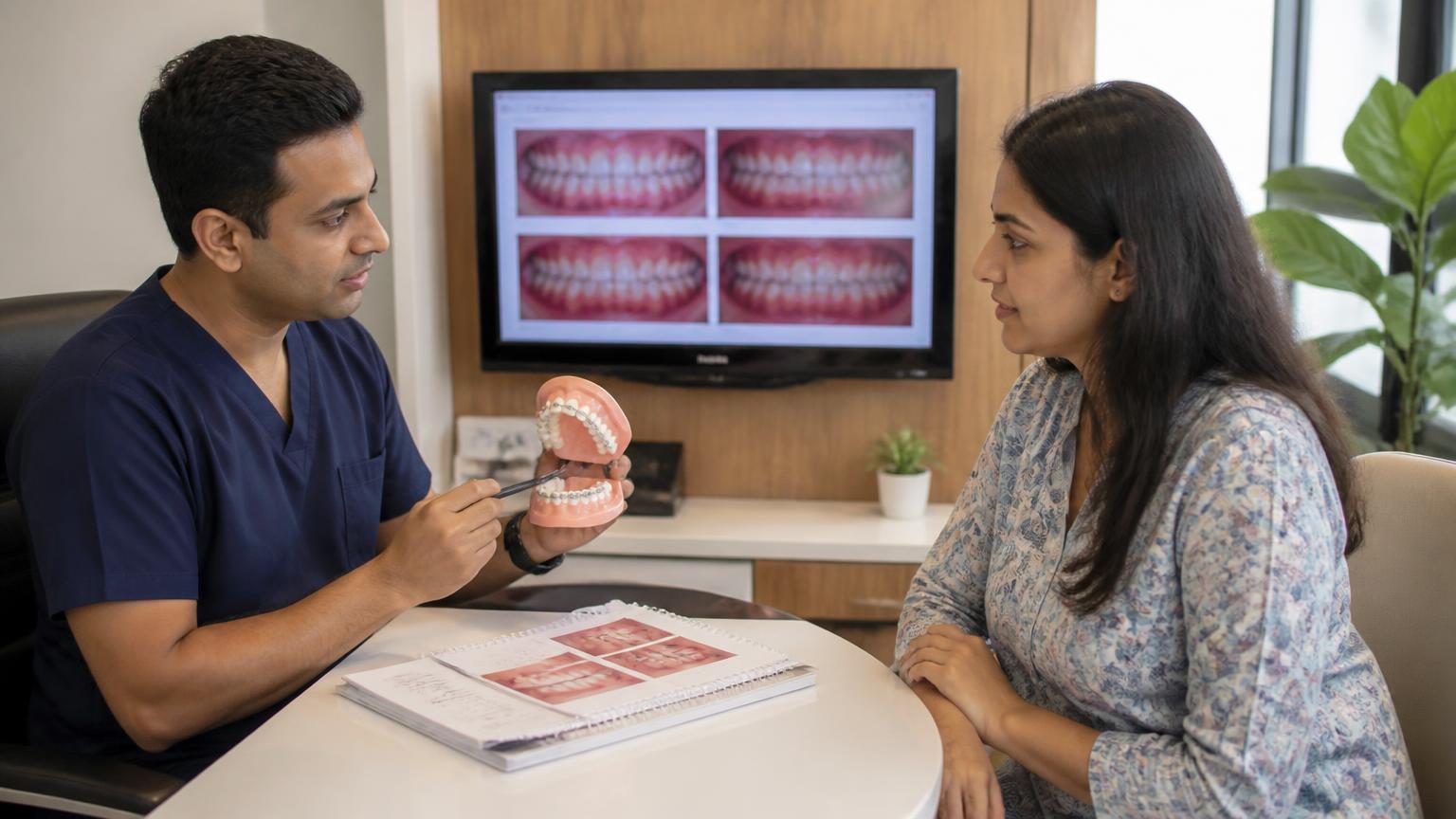
Every smile responds differently
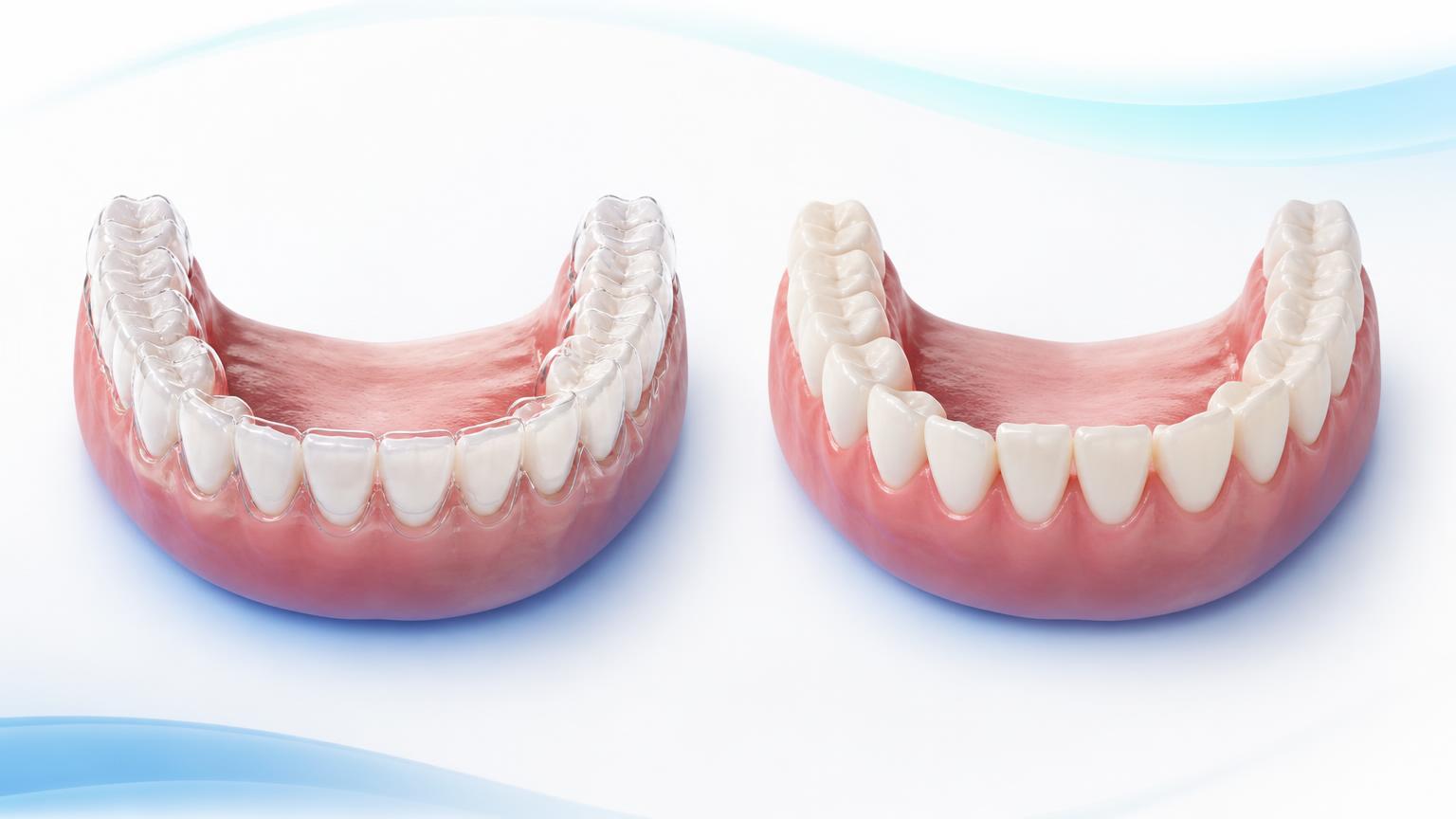
Orthodontic treatment is carefully planned, but every patient responds differently.
Treatment time and the final position of the teeth can vary.
Following your orthodontist's instructions and attending regular appointments can help keep treatment on track.
Your orthodontist will discuss your expected result before treatment begins.
Frequently asked questions
Thinking about braces? Start with an orthodontic assessment.
If you are concerned about crowded, crooked or spaced teeth, an orthodontic consultation can help you understand your options.
Your dentist or orthodontist can examine your teeth and bite and explain whether braces or another treatment may be suitable.
You do not need to decide on braces before your consultation.
Book a braces consultation
Ready to explore your orthodontic options?
If you are considering braces, start by understanding what your teeth and bite need.
Book a consultation with The Millennium Dental and let your dental team assess your smile, explain your options and help you understand whether braces are right for you.
Book a braces consultationThe Millennium Dental — hospital-backed dental care in Navi Mumbai.