
Hospital-backed dental care in Navi Mumbai
Straighten your teeth with clear aligners
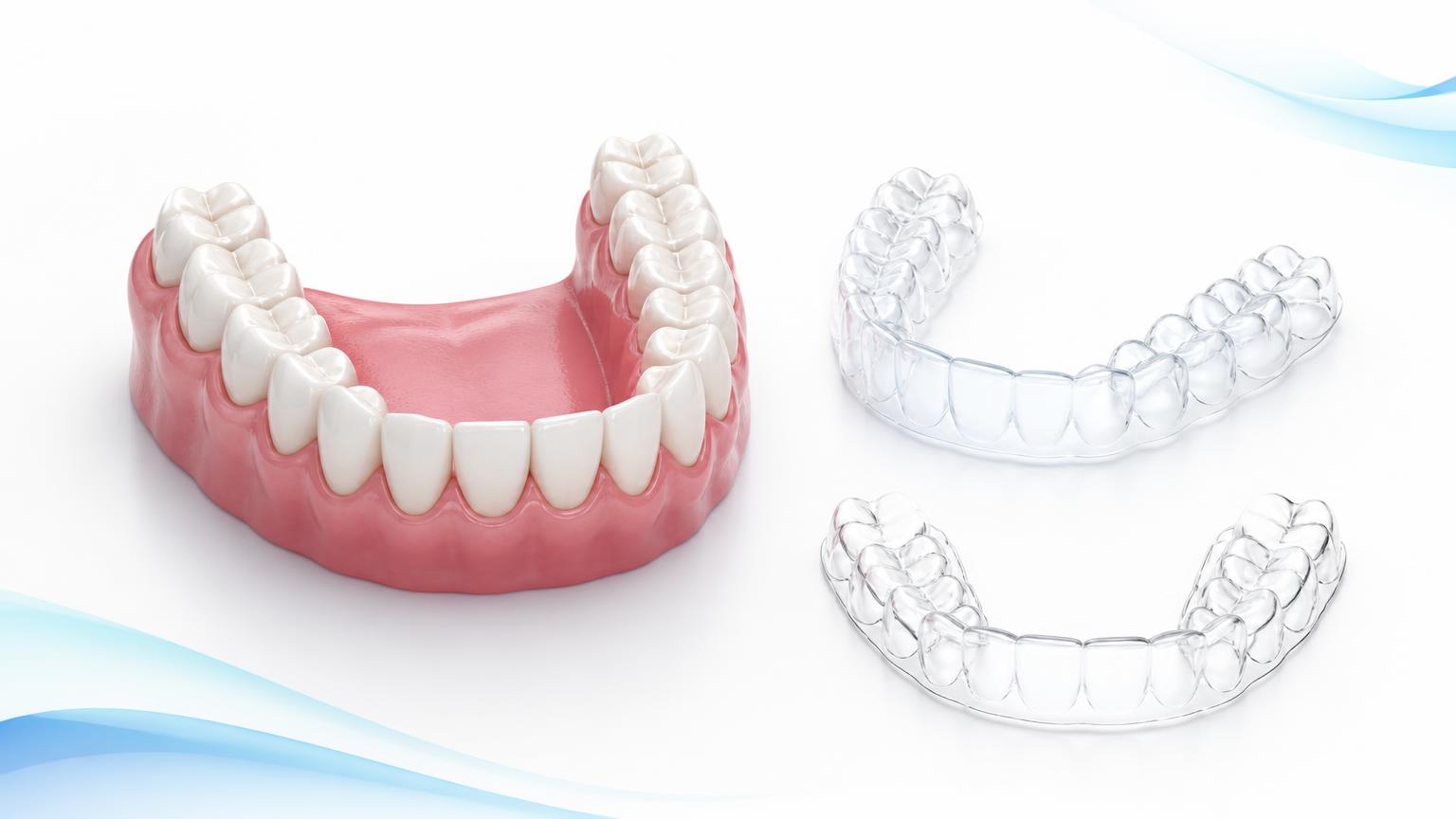
Clear aligners are removable, transparent trays designed to gradually move teeth into planned positions.
They can be an option for some people who want to improve crowded, uneven or spaced teeth without traditional fixed braces.
At The Millennium Dental, your dentist or orthodontic team will first assess your teeth and bite and explain whether clear aligners are suitable for you.
Book a clear aligner consultation
Uneven teeth can affect your smile and bite
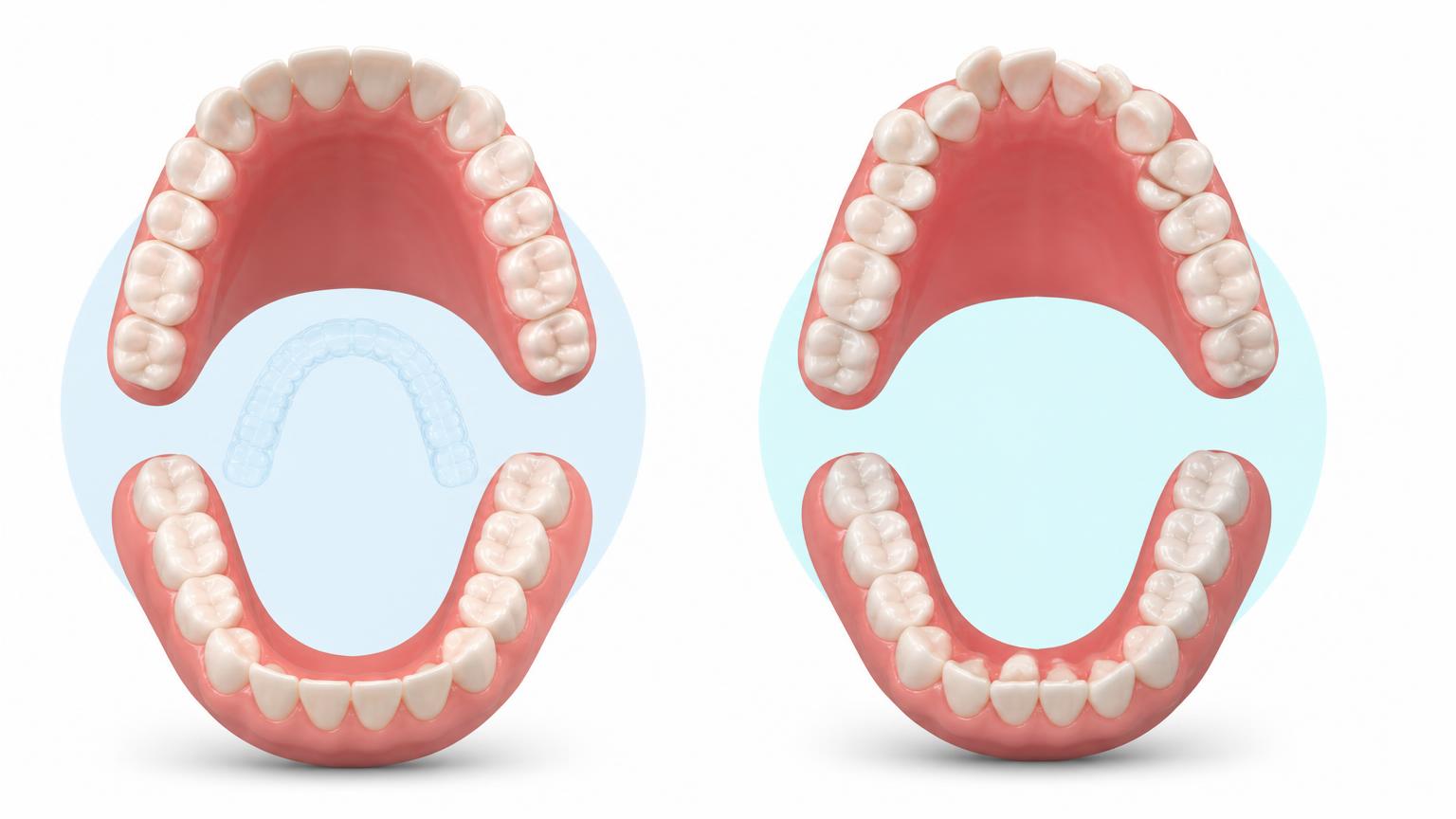
Crowded, crooked or spaced teeth can affect the way your smile looks.
In some cases, tooth alignment can also affect cleaning or the way your teeth come together when you bite.
If you are unhappy with the position of your teeth, clear aligners may be one treatment option.
Your dentist or orthodontic team can assess your teeth and explain what can realistically be improved.

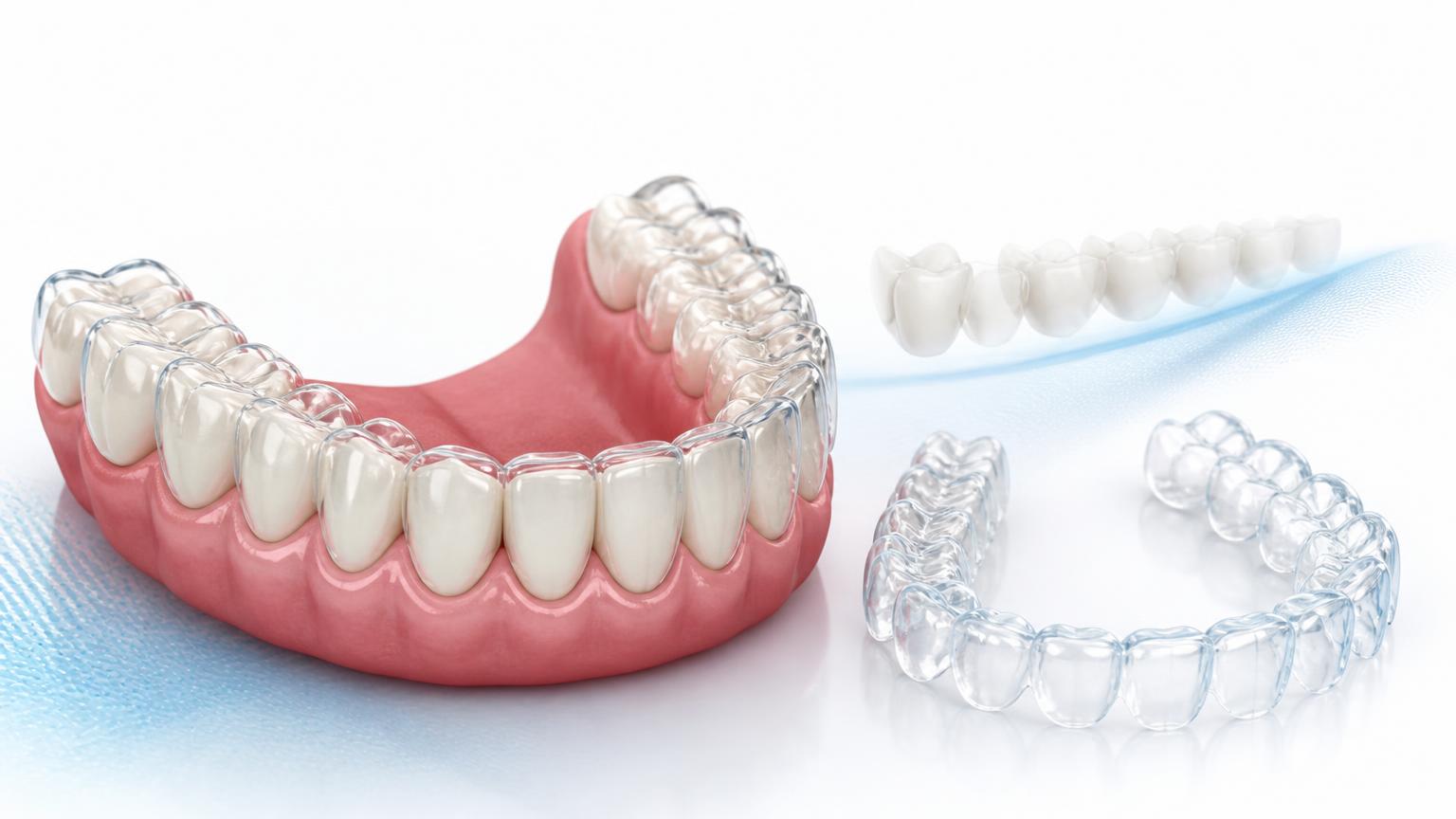
What are clear aligners?
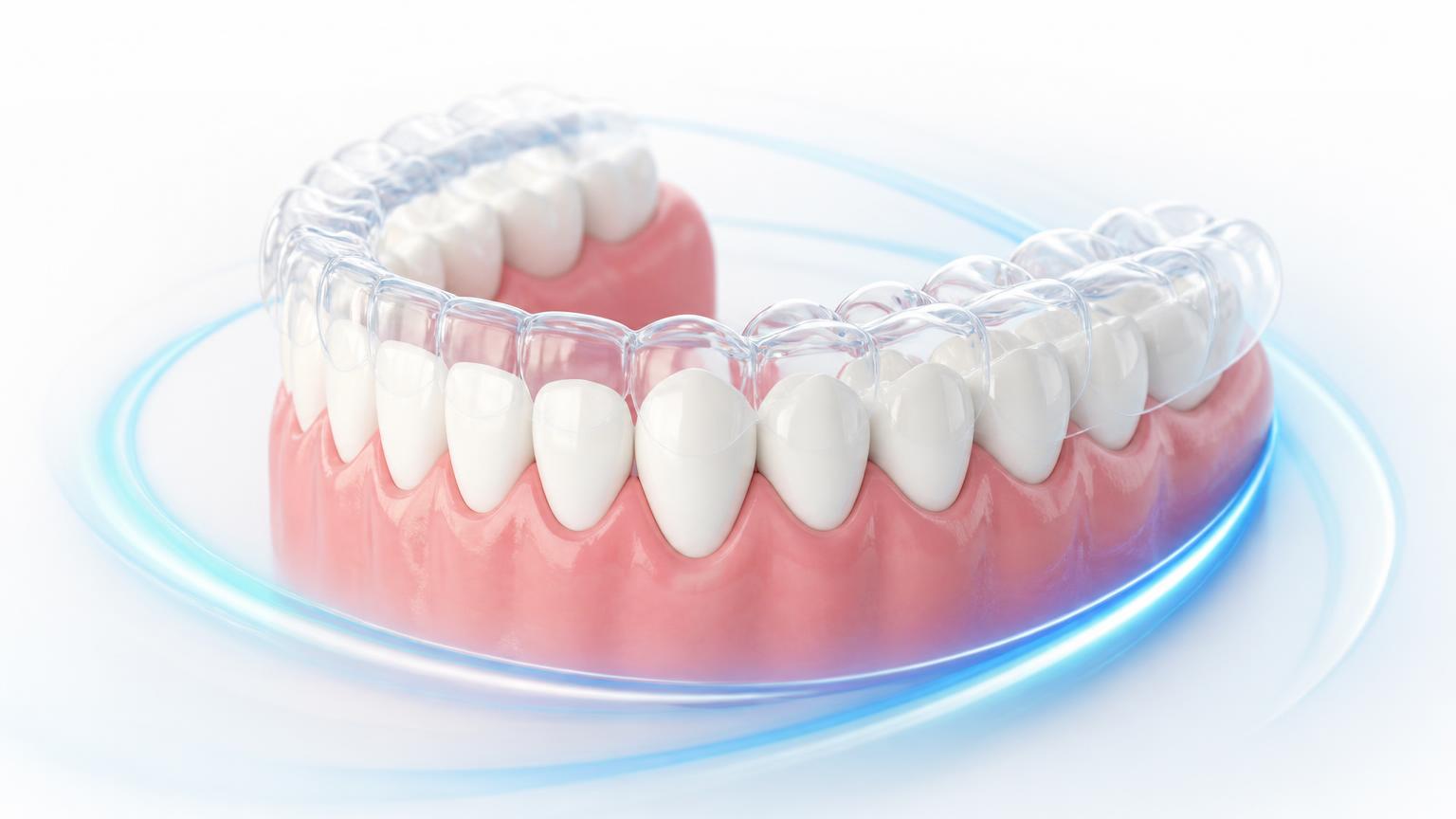
Clear aligners are removable trays made to fit over your teeth.
A series of trays is used during treatment.
Each tray is designed to apply gentle pressure to help move certain teeth gradually toward planned positions.
You normally change to the next set of aligners according to your treatment plan. The number of trays and length of treatment depend on your individual case.
How do aligners move teeth?
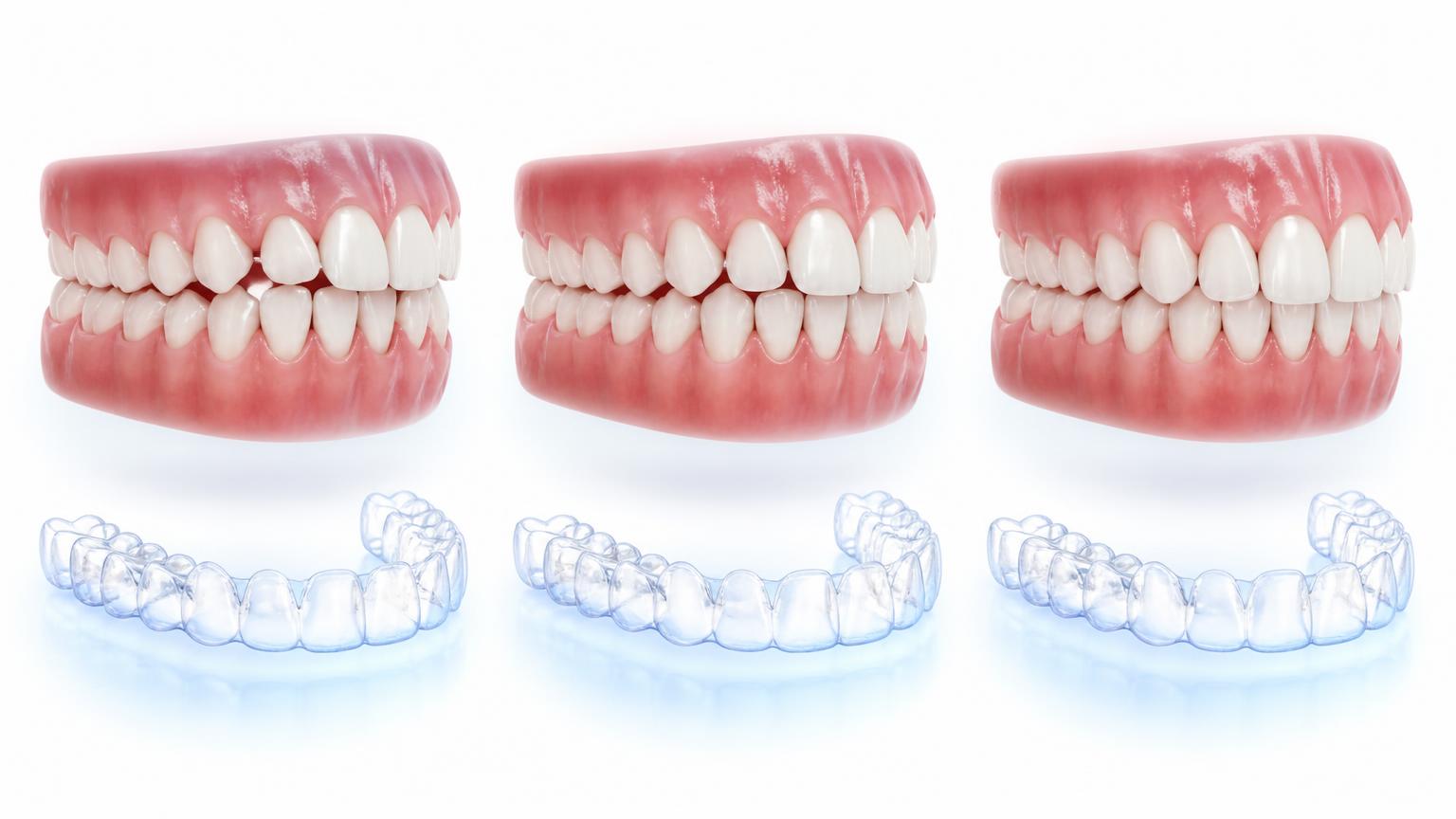
Clear aligners are made as a planned series.
Each aligner fits over your teeth and applies controlled pressure to selected areas.
As you move through the series, your teeth can gradually change position.
Your dentist or orthodontic team monitors your progress and may adjust the treatment plan when needed.
Are clear aligners right for you?
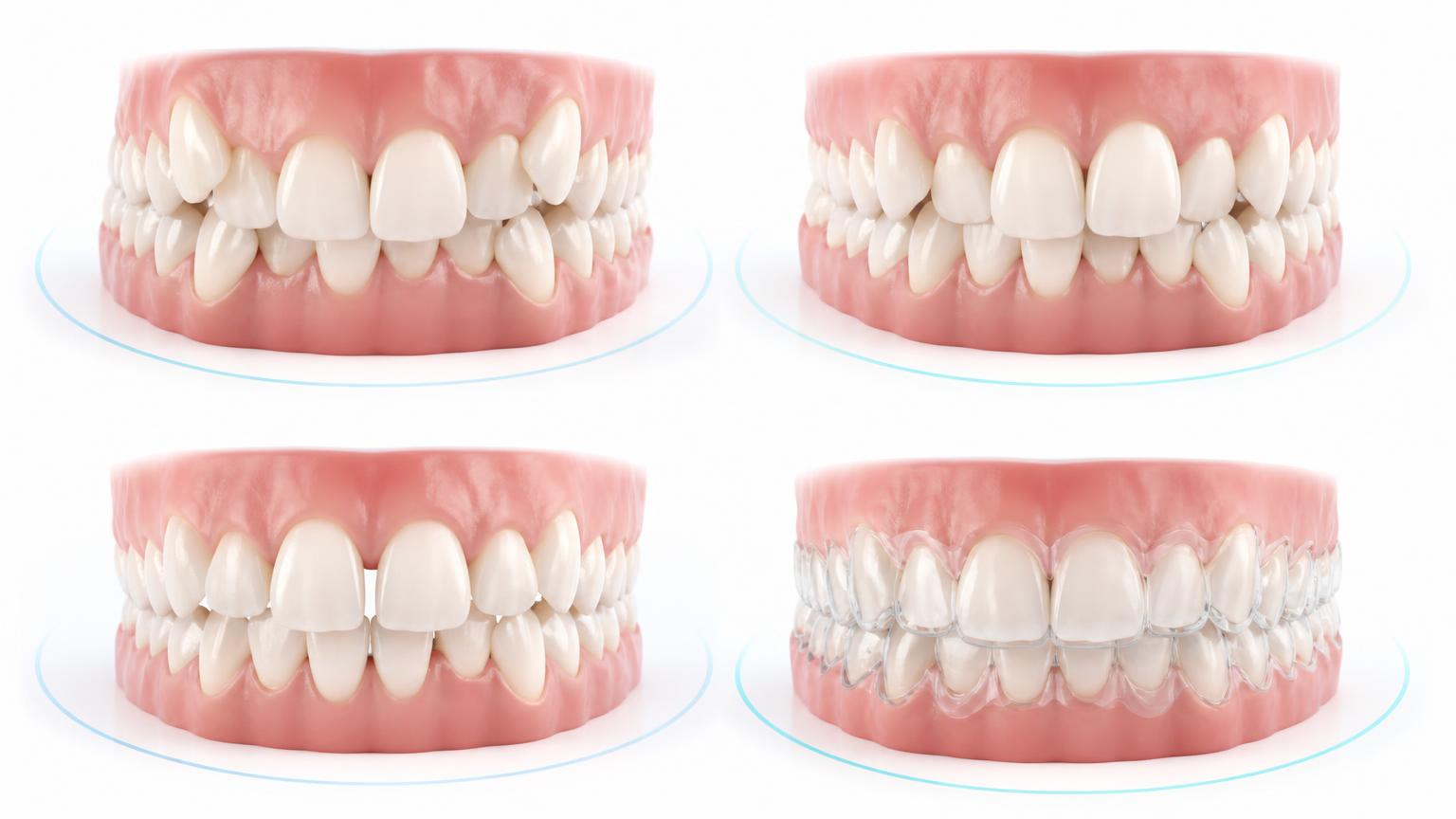
Clear aligners may be considered for some people with:
- Crowded teeth
- Crooked teeth
- Gaps between teeth
- Certain bite problems
- Mild to moderate alignment concerns
Not every orthodontic problem can be treated with clear aligners alone. Your dentist or orthodontist will assess your teeth and bite before recommending treatment.
Your treatment is planned for your teeth
Clear aligners are not simply a product you buy. Your treatment needs to be planned around your teeth, bite and individual goals.
Your dental team may assess:
- Your teeth — their position, shape and condition
- Your bite — the way your upper and lower teeth meet
- Your gums and oral health before and during treatment
- Your treatment goals and what is realistically possible
- Your progress, which needs monitoring throughout treatment
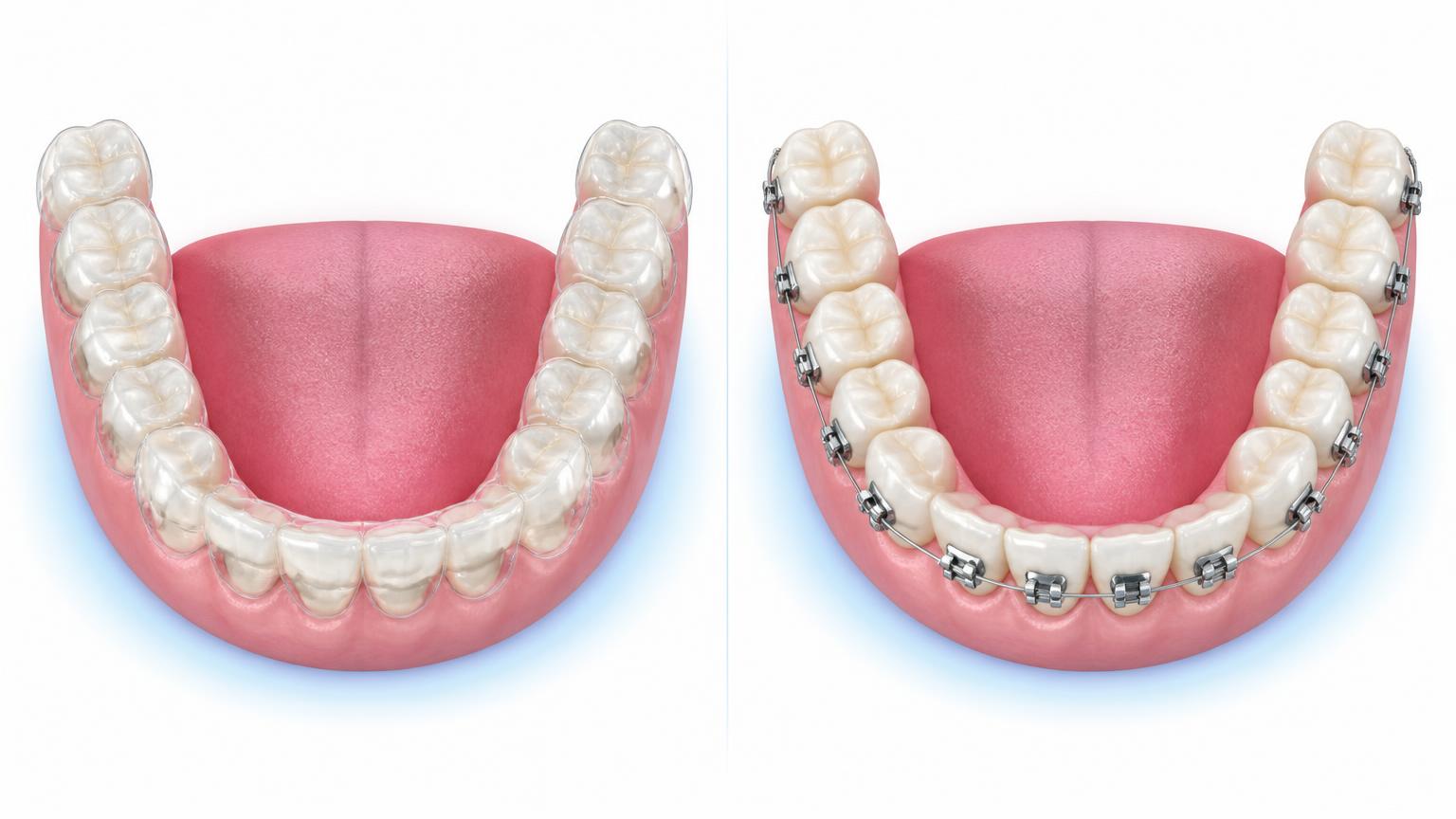
Clear aligners or braces?
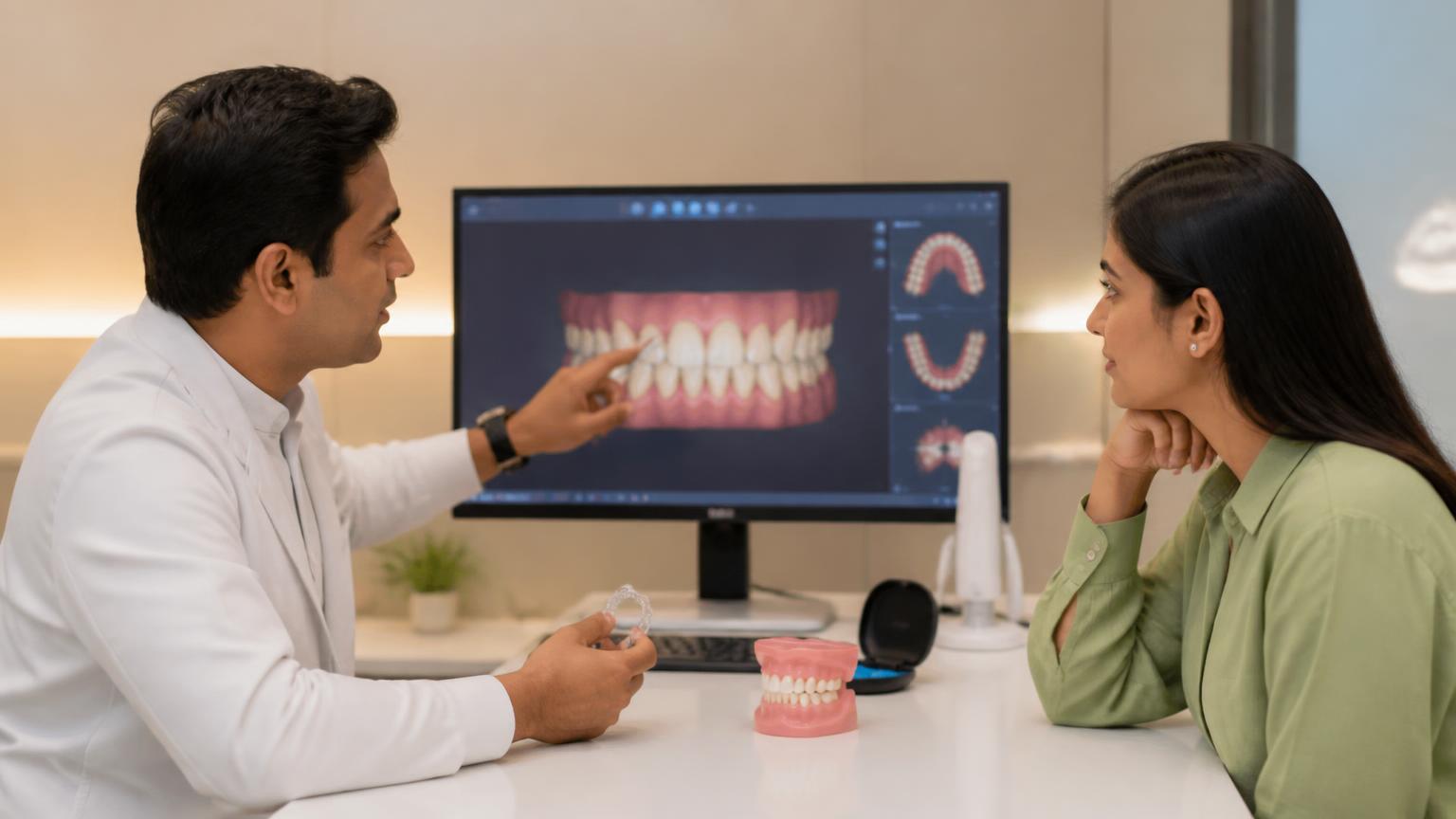
Both clear aligners and braces can be used to improve tooth alignment.
Clear aligners are removable, less noticeable, can be taken out for eating and cleaning, and need to be worn according to the treatment plan.
Braces are fixed to the teeth, remain in place throughout treatment and can be suitable for a wide range of alignment problems.
The right option depends on your teeth, bite, treatment needs and preferences.
What happens during clear aligner treatment?
The exact treatment plan is different for every patient. It commonly includes the following steps.
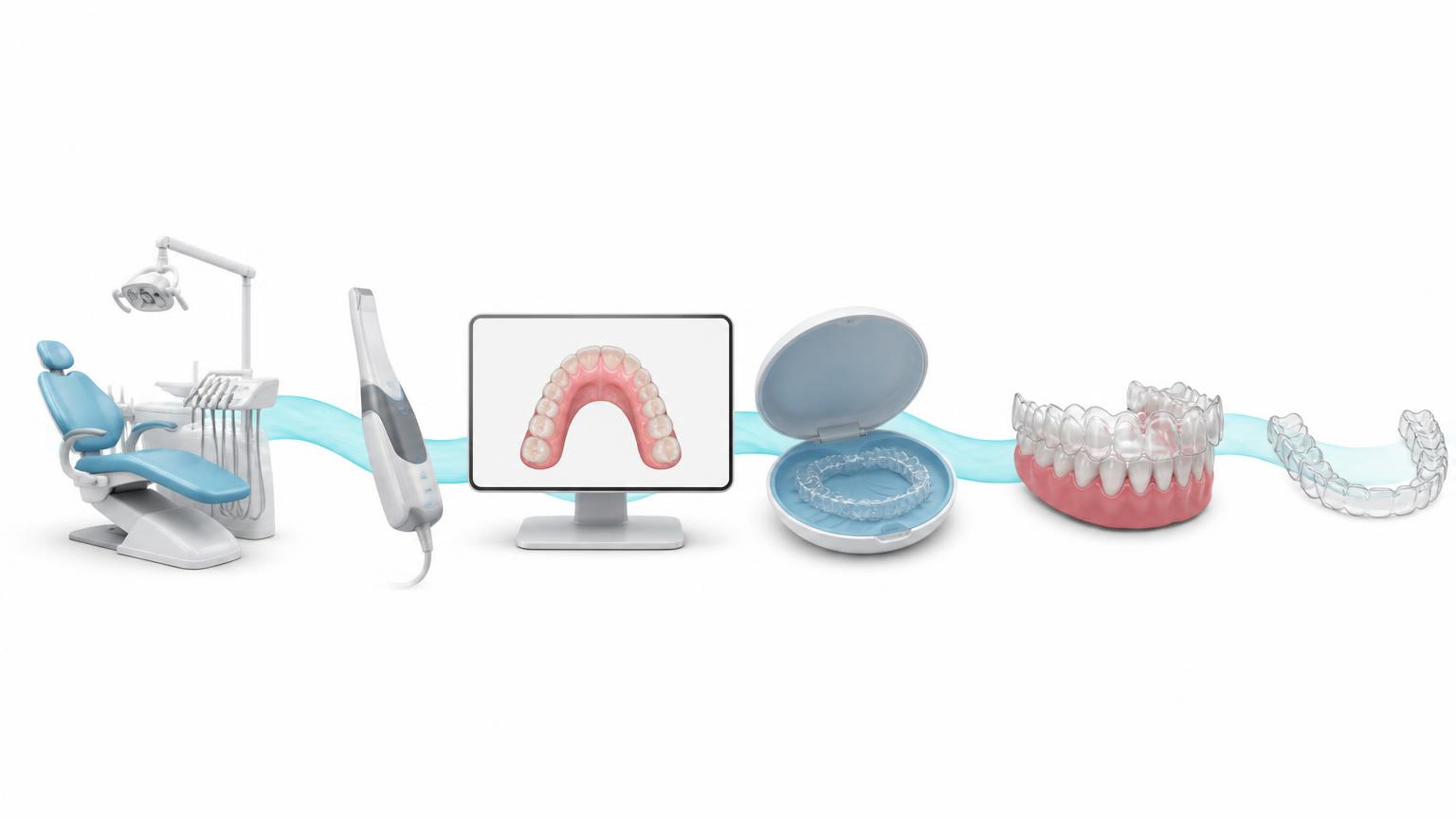
- 1
Consultation
Your dentist or orthodontic team examines your teeth and bite.
- 2
Digital assessment
Dental scans, photographs or other appropriate records may be taken to plan treatment.
- 3
Treatment planning
A series of planned tooth movements is created based on your individual needs.
- 4
Your aligners
Your custom aligners are prepared according to the treatment plan.
- 5
Wearing your aligners
You wear each aligner according to the instructions given by your dental team.
- 6
Progress checks
Your dental team checks how your teeth are moving and whether treatment is progressing as planned.
- 7
Refinement or retention
Some patients may need additional aligners or a retainer after active treatment.

Are clear aligners invisible?
Clear aligners are designed to be less noticeable than traditional braces.
However, they are not completely invisible.
The appearance can vary depending on the aligner material, attachments, tooth position and the individual treatment.
Your dental team can show you what your aligners are expected to look like.
Remove your aligners before eating
Clear aligners are generally removed while eating.
After eating, clean your teeth as advised and put your aligners back in.
Your dental team will give you specific instructions about wearing and caring for your aligners.


What can you drink while wearing aligners?
Your dental team will give you specific instructions about what you can drink while wearing your aligners.
In general, plain water is the simplest choice while aligners are in place.
Other drinks may stain the aligners or increase the risk of problems if they remain around the teeth.
Follow the instructions provided with your specific aligner system.
How long should you wear your aligners each day?
Clear aligners need to be worn for the amount of time recommended by your dental team.
Taking them out unnecessarily or not following the treatment schedule can affect your progress.
Your dentist or orthodontist will tell you when to remove them and when to put them back. Follow your individual treatment instructions.

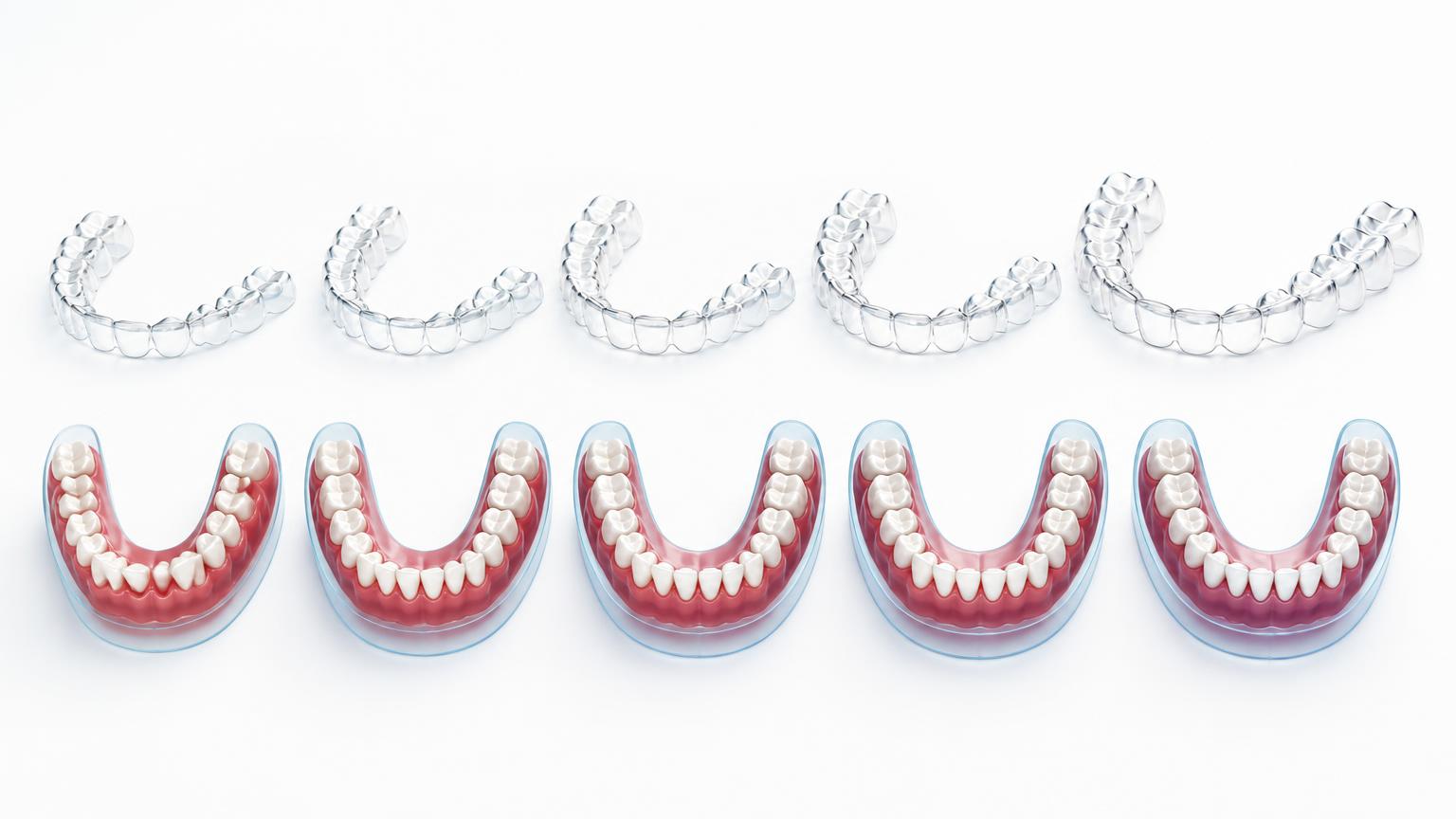
How long will treatment take?
There is no single treatment time for everyone. Treatment length depends on:
- How much your teeth need to move
- Your bite
- The number of aligners required
- How consistently you follow the treatment plan
- How your teeth respond to treatment
- Whether additional aligners are needed
Your dentist or orthodontist can give you an estimated timeline after assessing your teeth.
Are clear aligners painful?
You may feel pressure or mild discomfort when you start a new aligner.
This can happen because the aligner is applying pressure to move the teeth.
The feeling often changes as you get used to the new aligner.
If you experience significant or persistent pain, contact your dental team.

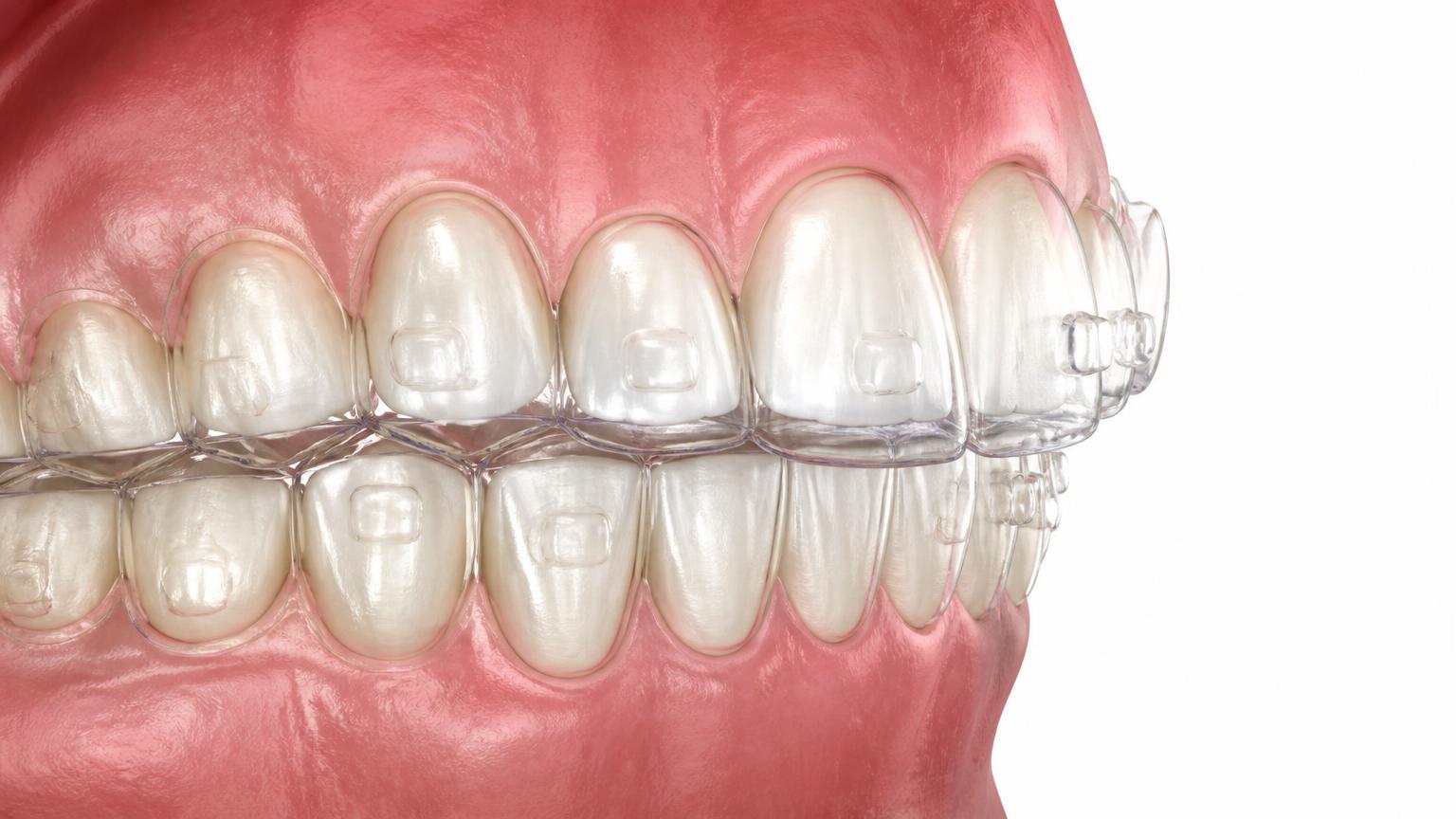
What are aligner attachments?
Some clear aligner treatments use small tooth-coloured attachments placed on selected teeth.
They help the aligner apply the right pressure to move particular teeth.
Not every patient needs attachments. Your dentist or orthodontist will tell you whether they are needed for your treatment.
Following your aligner plan matters
Clear aligners only work as planned when they are used according to your treatment instructions.
If you do not wear them as advised, your teeth may not move as planned and treatment may take longer.
If you are having difficulty wearing your aligners, speak with your dental team instead of changing the schedule yourself.


Keep your teeth clean during treatment
Because aligners cover your teeth for much of the day, keeping your teeth and gums clean is especially important.
- Brush your teeth regularly
- Clean between your teeth
- Clean your aligners as instructed
- Follow your dental team's hygiene advice
- Attend your scheduled check-ups
Good oral hygiene helps protect your teeth and gums during orthodontic treatment.
Do you need a retainer after treatment?
After your teeth have been moved into their planned positions, your dental team may recommend a retainer.
A retainer helps hold your teeth in their new positions.
Teeth can naturally move over time, so following your retainer instructions is an important part of maintaining your result.
Your dentist or orthodontist will tell you how and when to use your retainer.
Clear aligners are not right for every case
Clear aligners can treat many alignment concerns, but they are not suitable for every orthodontic problem.
Some complex tooth movements or bite problems may require braces, additional treatment or another orthodontic approach.
Your dentist or orthodontist will assess your case and explain the available options.
Healthy teeth and gums come first
Clear aligners are designed to move teeth.
They do not replace treatment for cavities, gum disease or other dental problems.
If you have dental problems, your dentist may recommend treating them before starting orthodontic treatment.
Regular dental care remains important throughout your aligner treatment.
Frequently asked questions
Thinking about clear aligners? Start with an assessment.
If you are unhappy with crowded, crooked or spaced teeth, a consultation can help you understand your options.
Your dentist or orthodontist can examine your teeth and bite and explain whether clear aligners are suitable for you.
You do not need to decide on aligners before your consultation.
Book a clear aligner consultation
Ready to explore a straighter smile?
If you are considering clear aligners, start by understanding what your teeth and bite need.
Book a consultation with The Millennium Dental and let your dental team assess your smile, explain your options and help you understand whether clear aligners are right for you.
Book a clear aligner consultationThe Millennium Dental — hospital-backed dental care in Navi Mumbai.