
Hospital-backed dental care in Navi Mumbai
Surgical tooth extraction with careful, planned treatment
Some teeth cannot be removed with a simple extraction.
A tooth may be broken, deeply positioned, impacted, or difficult to access. In these situations, a surgical extraction may be recommended.
At The Millennium Dental, your dentist will examine the tooth, review appropriate dental imaging and explain why surgical extraction may be needed.
Book a surgical extraction consultation
What is a surgical tooth extraction?
A surgical extraction is a procedure used to remove a tooth that cannot be removed easily with a routine extraction.
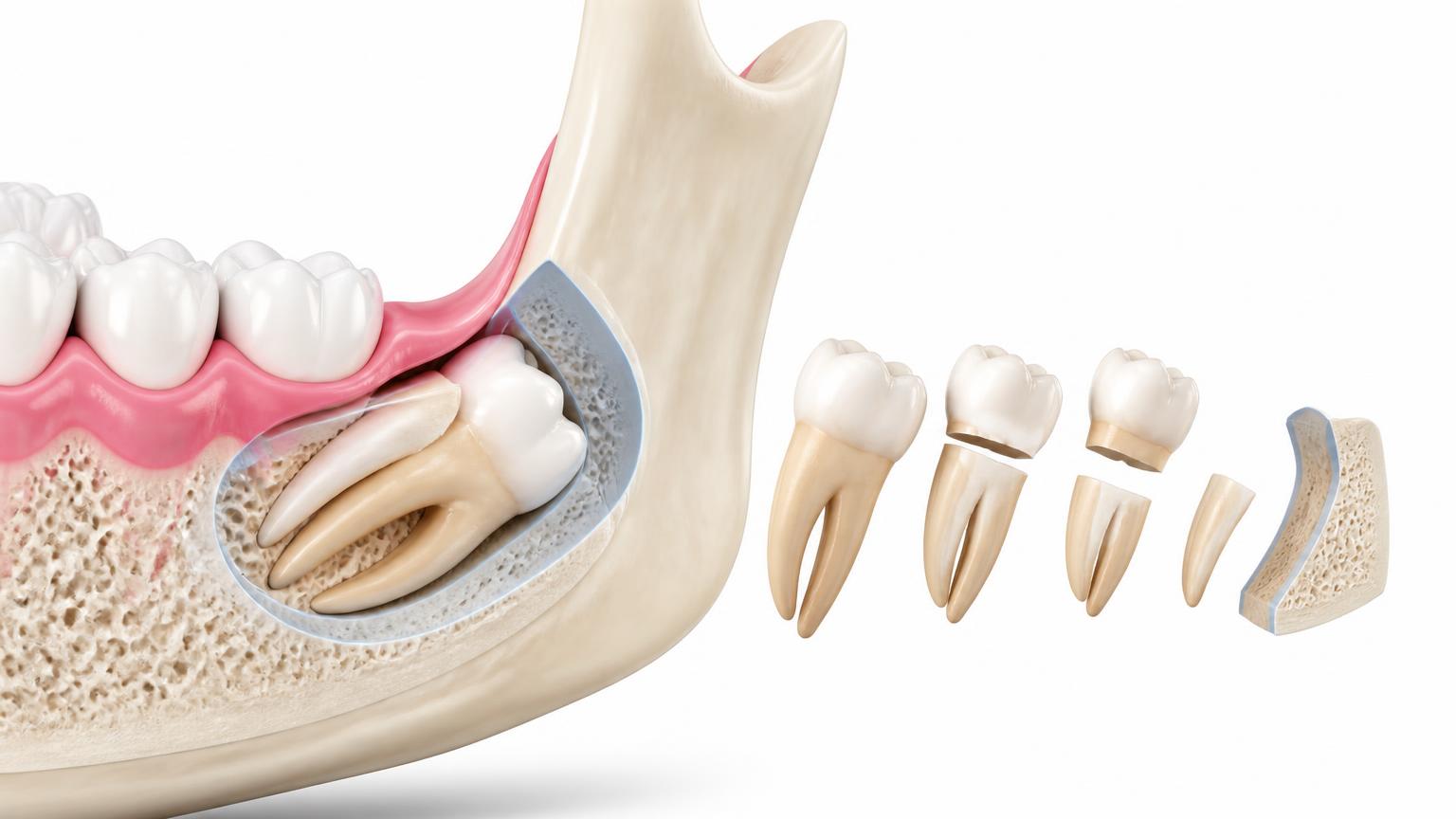
It may involve creating access around the tooth or dividing the tooth into sections so it can be removed safely.
The exact procedure depends on the position and condition of the tooth.
Your dentist will explain what is planned before treatment.
Why can't some teeth be removed normally?
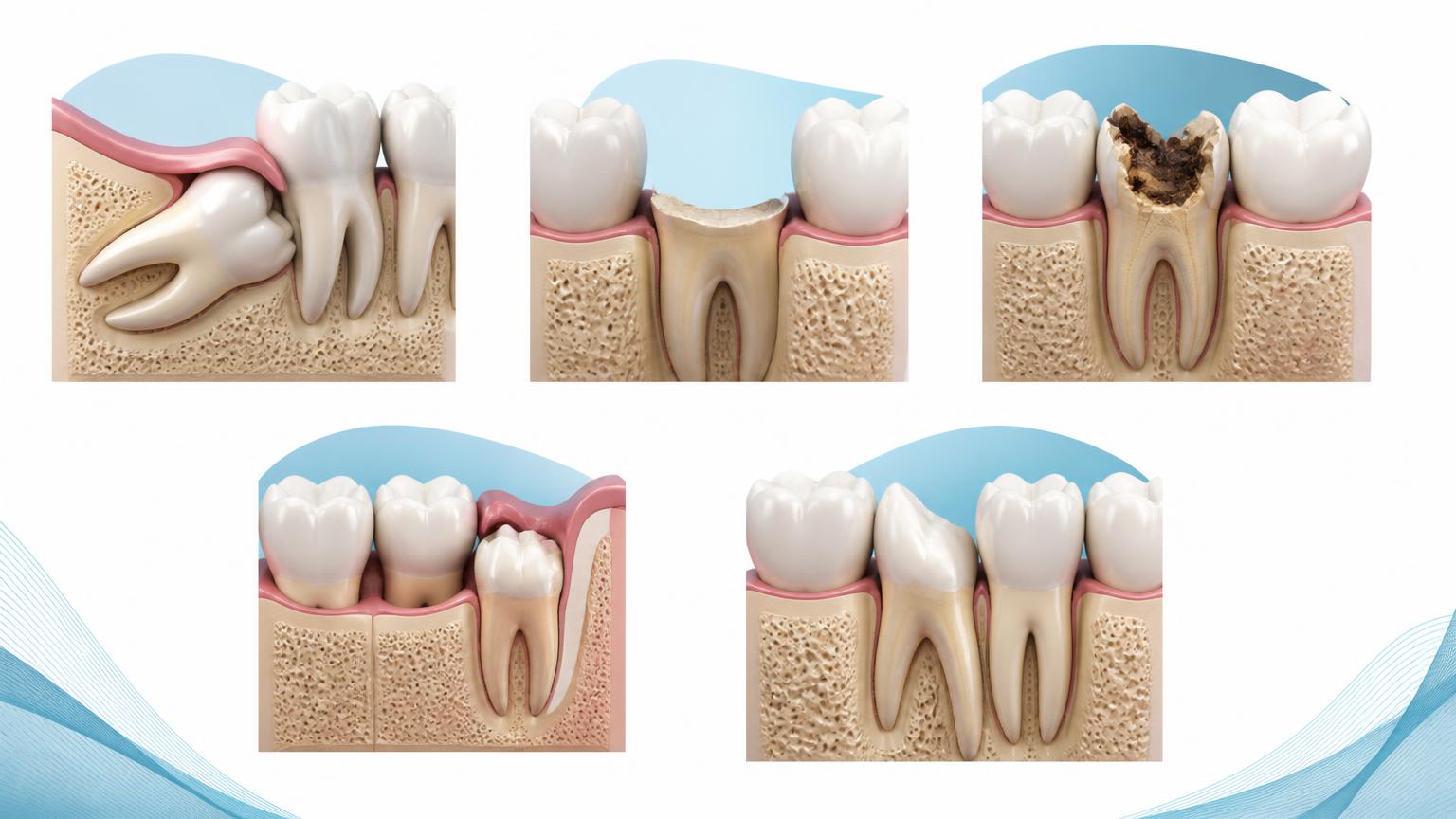
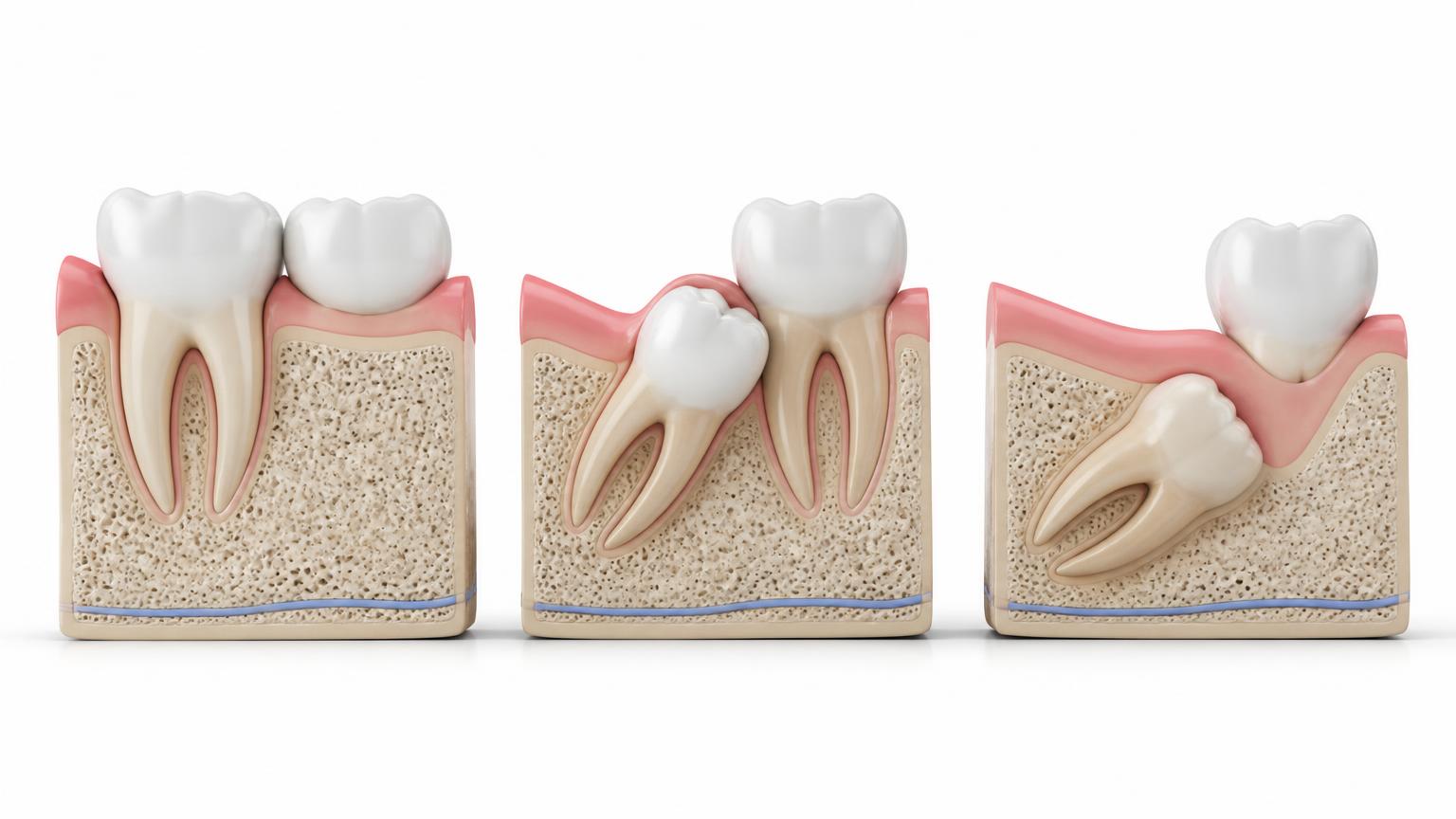
A surgical extraction may be needed when a tooth is:
- Impacted
- Broken near the gum line
- Severely damaged
- Difficult to access
- Positioned unusually
- Surrounded by bone or gum tissue
The decision depends on the individual tooth. Your dentist will assess the tooth and explain why surgical extraction may be the safer or more appropriate approach.
What is the difference?
A routine extraction is generally used when a tooth can be removed relatively easily.
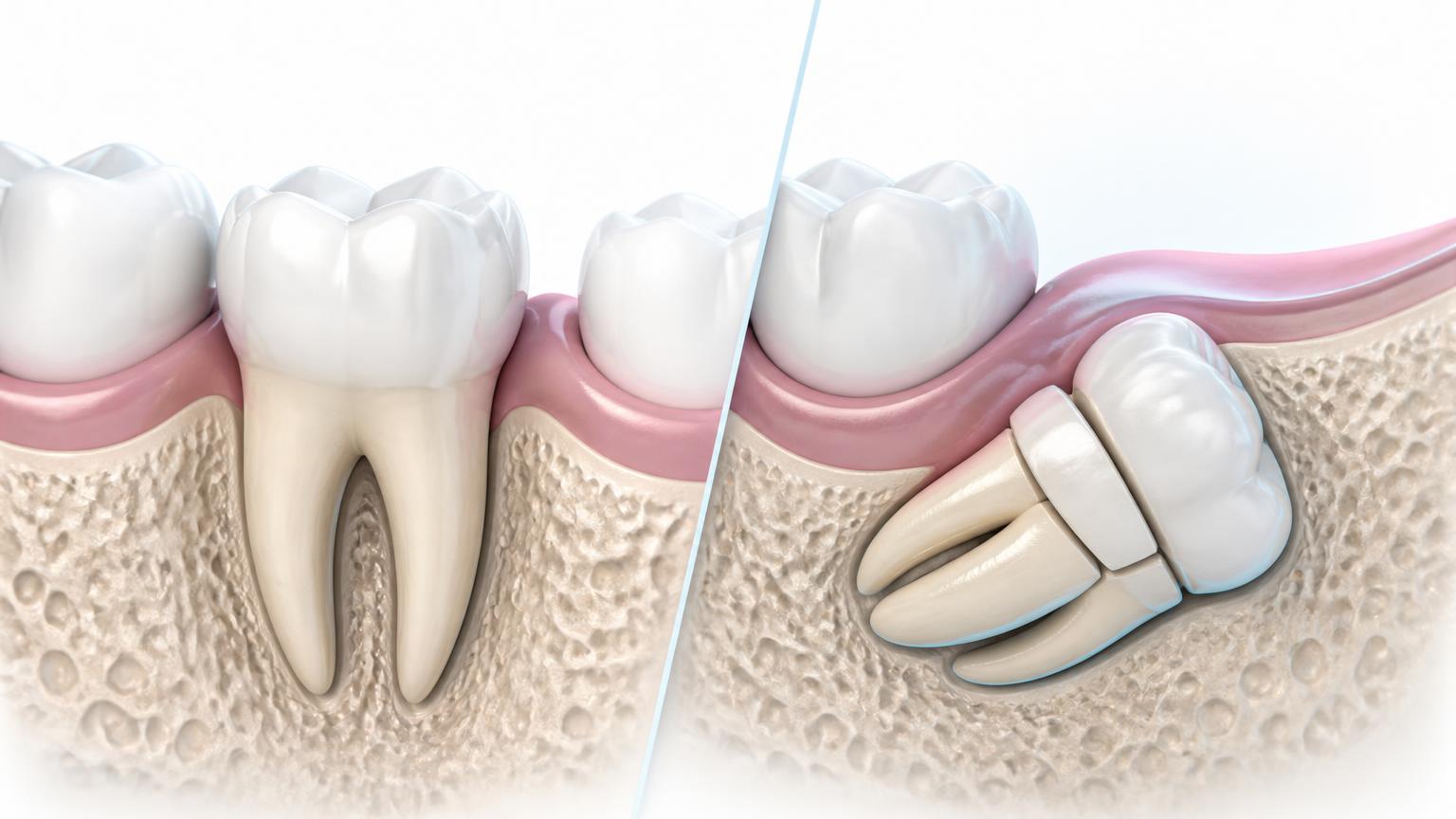
A surgical extraction is used when additional access or steps are needed.
For example, a surgical extraction may involve:
- Opening the gum to access the tooth
- Removing a small amount of surrounding bone when necessary
- Dividing the tooth into smaller sections
- Removing the tooth carefully
Not every difficult-looking tooth requires all of these steps. Your dentist will decide what is appropriate for your case.
Which teeth can be difficult to remove?
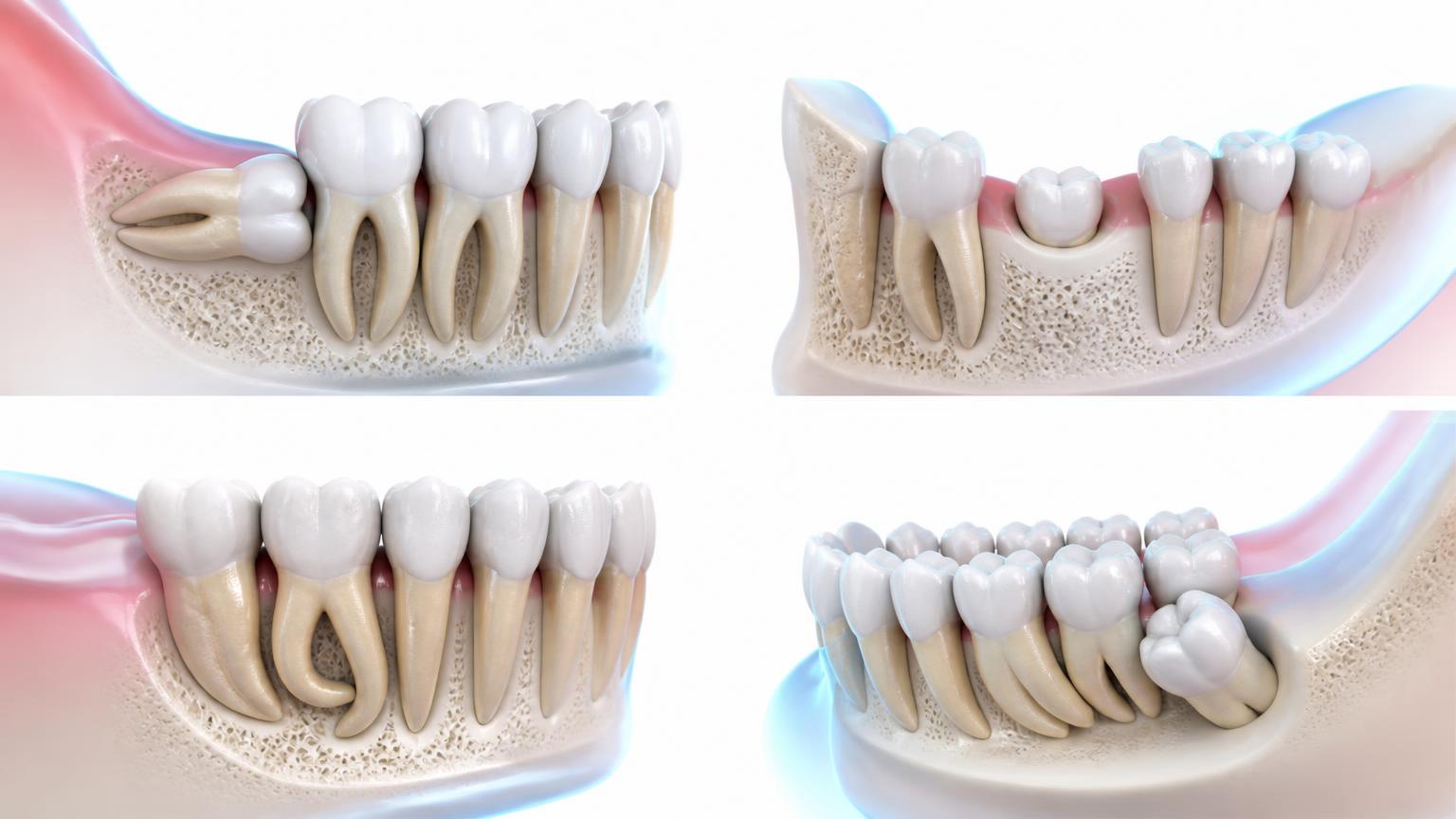
Surgical extraction can sometimes be needed for:
- Impacted wisdom teeth
- Severely broken teeth
- Teeth broken below the gum line
- Teeth with difficult roots
- Teeth that are difficult to access
- Certain retained or unusual teeth
The need for surgical extraction is determined after examination and appropriate imaging.
We plan the extraction before we begin
A surgical extraction should begin with careful assessment.
Your dentist may consider:
- The tooth — its position, condition and shape
- The roots — their number, shape and direction can affect the procedure
- The surrounding bone — the position of the tooth within the jaw is important
- Nearby structures — dental imaging may help your dentist understand the relationship between the tooth and surrounding structures
- Your health and dental history — relevant medical and dental information helps your dental team plan appropriate care
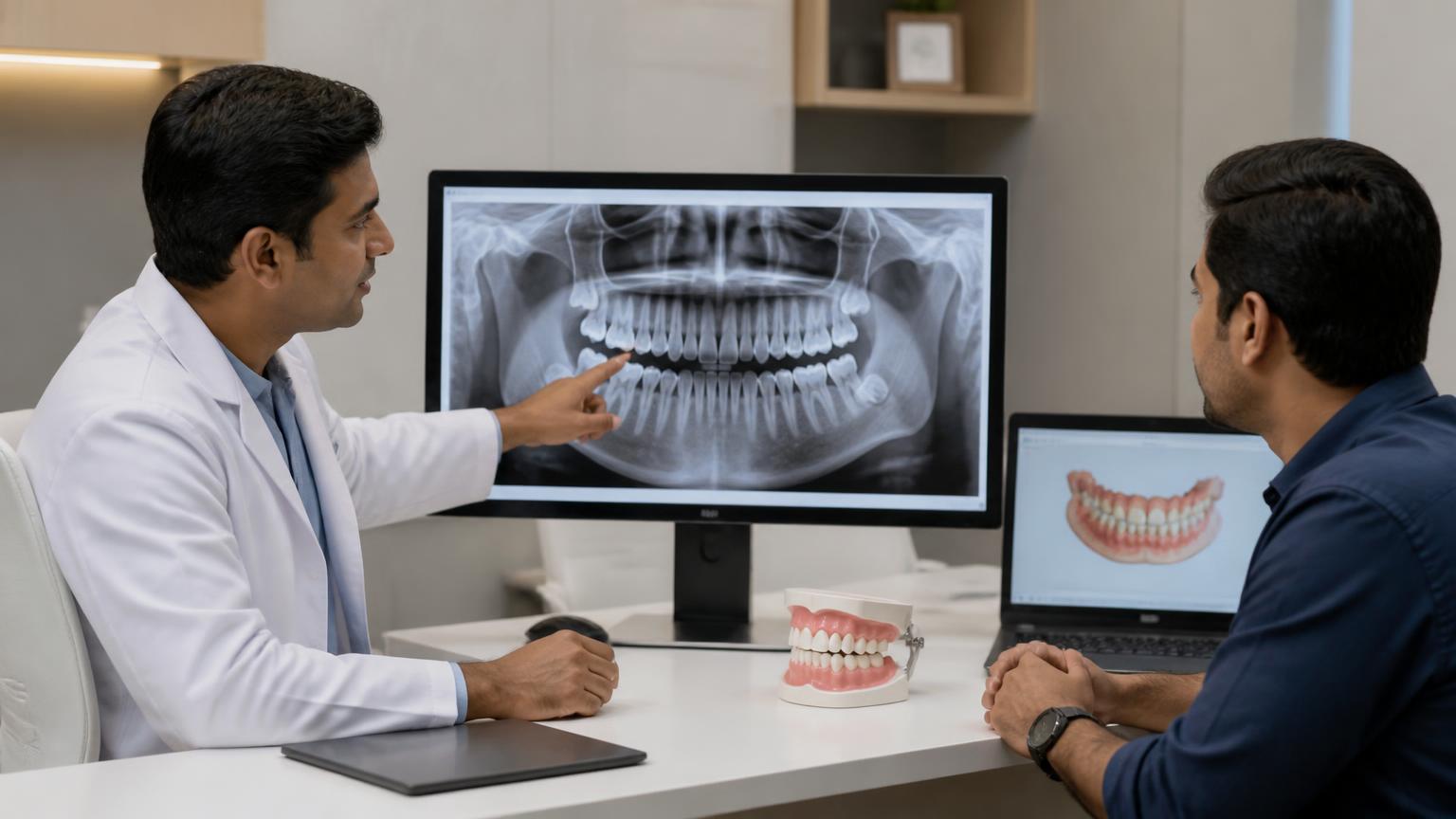
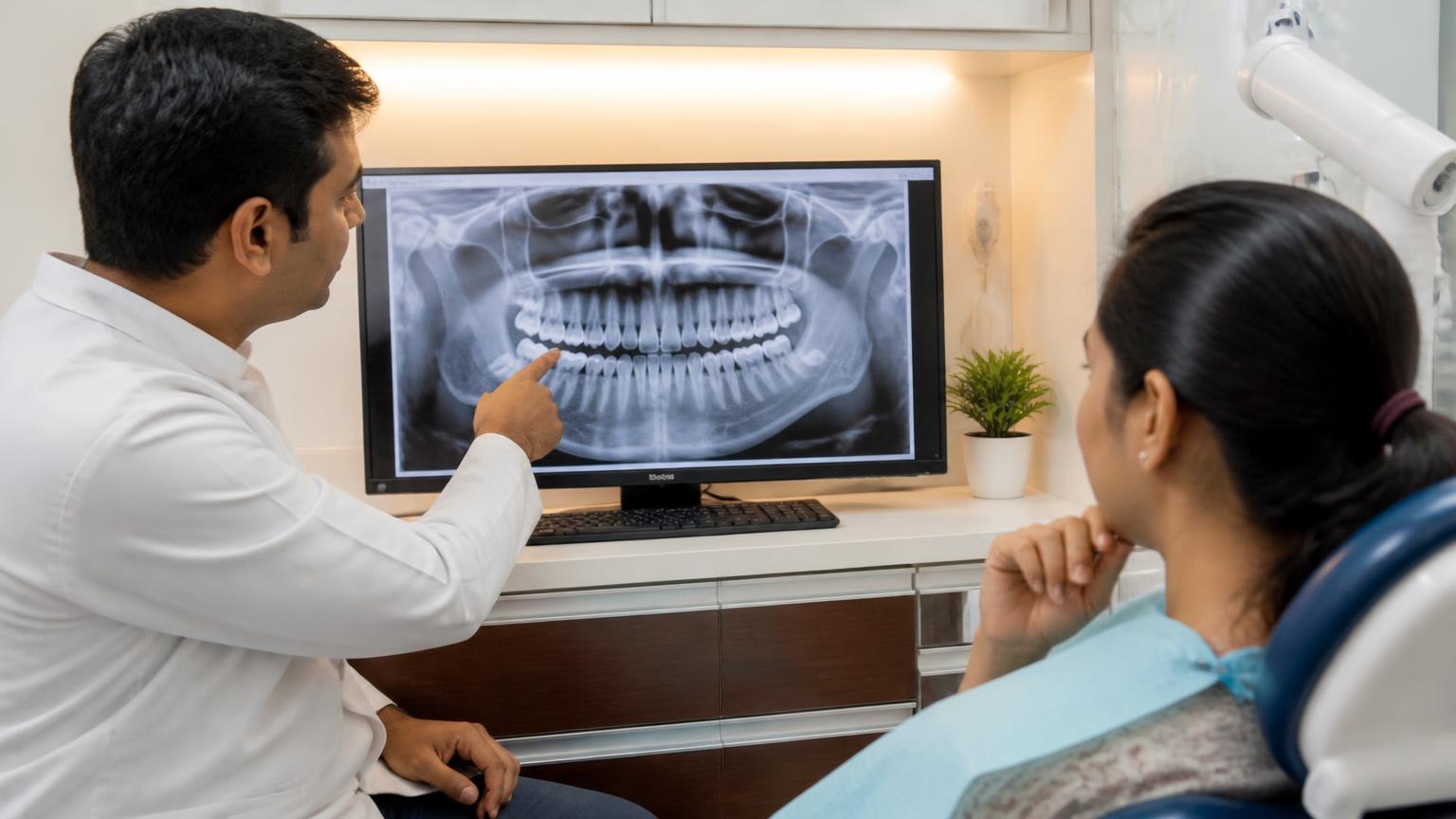
Why might you need an X-ray?
Dental imaging can help your dentist understand:
- Where the tooth is positioned
- The shape and direction of its roots
- The surrounding bone
- Nearby teeth
- Important anatomical structures
The type of imaging needed depends on the tooth and the planned procedure.
What happens during a surgical extraction?
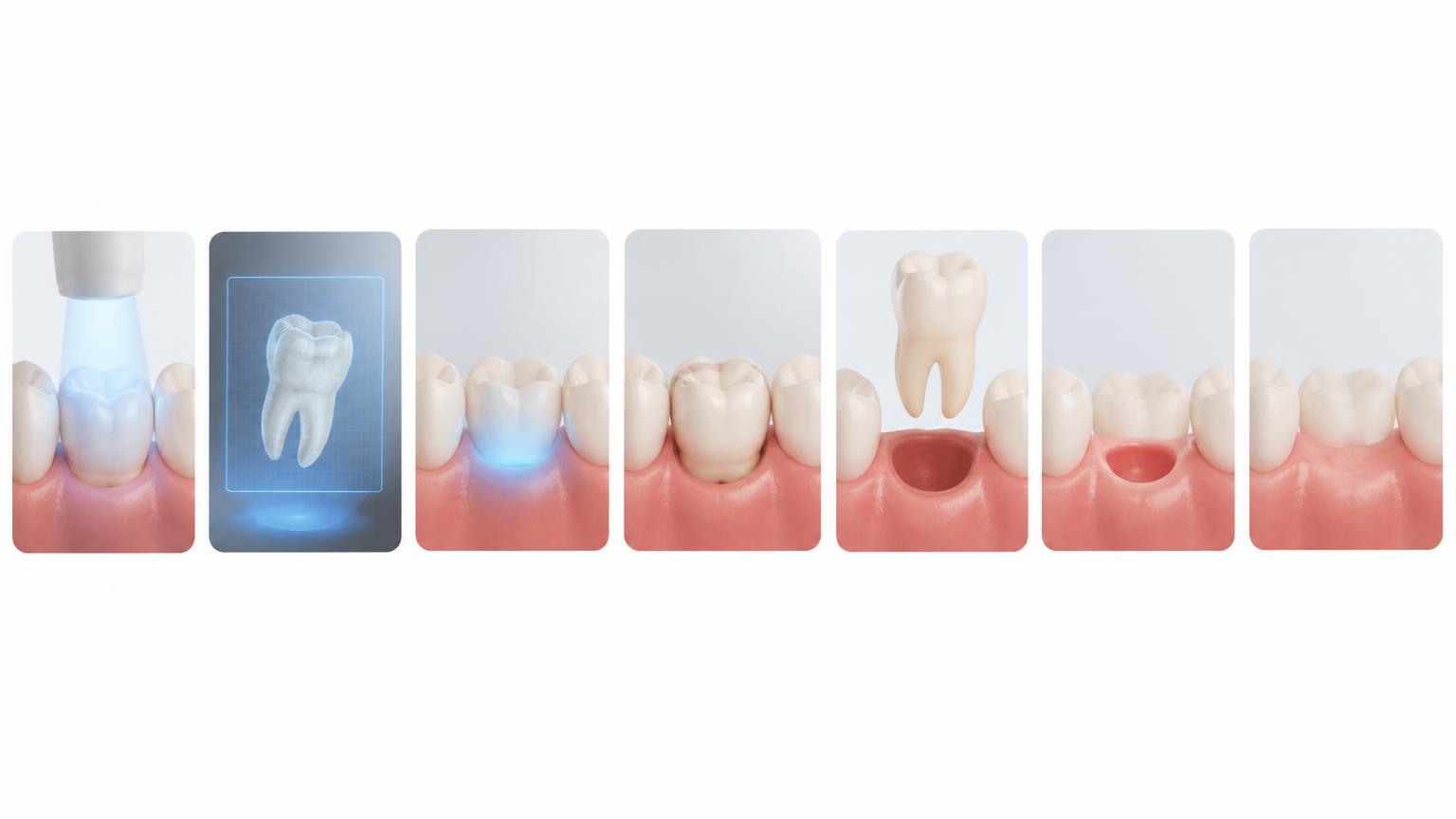
The exact steps depend on the tooth. A typical process may include:
- 1ExaminationYour dentist examines the tooth and reviews appropriate imaging.
- 2Treatment planningThe dentist explains why extraction is recommended and discusses the procedure.
- 3AnaesthesiaThe treatment area is numbed using appropriate anaesthesia.
- 4Surgical accessIf required, the dentist creates access to the tooth.
- 5Tooth removalThe tooth may be removed in one piece or divided into sections when appropriate.
- 6Cleaning and closureThe area is checked and cleaned. Stitches may be used when needed.
- 7AftercareYou receive instructions for protecting the area while it heals.
Will I feel pain during the procedure?
Appropriate anaesthesia is used to numb the treatment area during the procedure.
You may feel pressure or movement, but you should tell your dental team if you experience pain during treatment.
Some soreness, swelling or discomfort can occur after the procedure.
Your dentist will explain what to expect and provide aftercare instructions.

How long does the procedure take?
There is no fixed procedure time for every surgical extraction.
It can depend on:
- The position of the tooth
- The shape of the roots
- How much access is needed
- Whether the tooth is impacted
- The complexity of the procedure
Your dentist can explain what to expect after examining your tooth.
What can you expect after the procedure?
Some pain, swelling or soreness can occur after surgical extraction.
Your recovery depends on:
- The complexity of the extraction
- The tooth that was removed
- Your individual healing
- How carefully you follow aftercare instructions
Your dental team will tell you how to care for the area during recovery.


Is swelling normal?
Some swelling can occur after surgical extraction.
It may vary depending on the complexity of the procedure and your individual healing.
Your dentist will explain what level of swelling to expect and how to care for yourself during recovery.
If swelling becomes severe, continues to worsen or is accompanied by other concerning symptoms, contact your dental team promptly.
What can I eat after surgical extraction?
Your dentist will tell you when to return to your normal diet.
Soft foods are often easier to eat during the early recovery period.
Depending on your dentist's instructions, you may need to avoid:
- Very hot foods or drinks
- Hard foods
- Very chewy foods
- Foods that may disturb the extraction area
Follow the specific instructions given after your procedure.


How should I clean my mouth?
Keeping your mouth clean is important during healing.
Your dentist will explain when and how to brush around the extraction area.
Do not disturb the healing site or clean it aggressively.
Follow your dental team's instructions carefully.
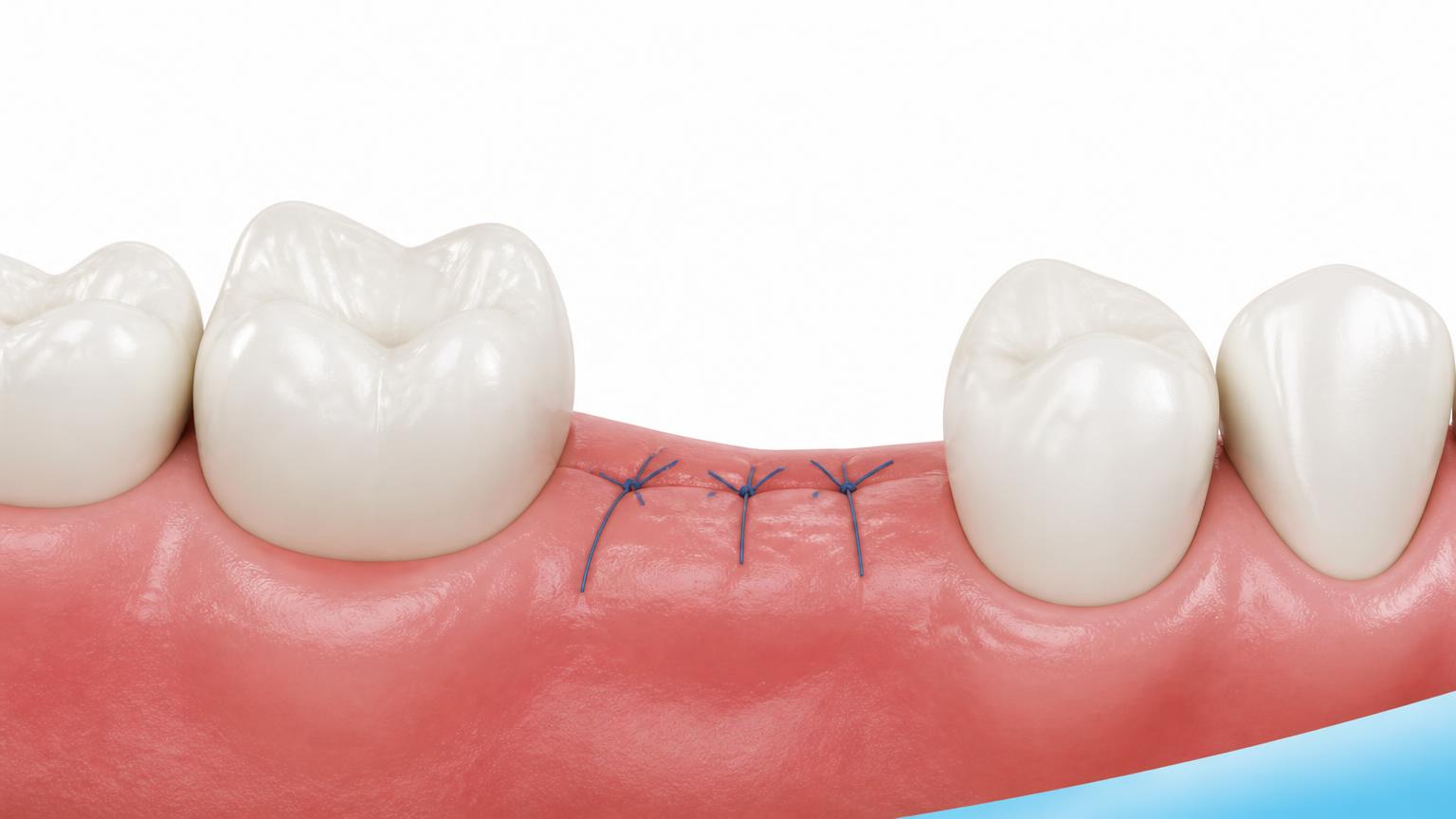
Will I need stitches?
Some surgical extractions may require stitches.
Whether stitches are needed depends on the procedure and the way the extraction area needs to heal.
Your dentist will tell you whether stitches are required and whether they need to be removed later.

Protect the area while it heals
Your dentist may advise you to avoid certain activities after surgical extraction.
These may include:
- Smoking or tobacco
- Disturbing the extraction area
- Very hard foods
- Strenuous activity for a period recommended by your dentist
Do not follow generic internet advice instead of the instructions provided by your dental team.
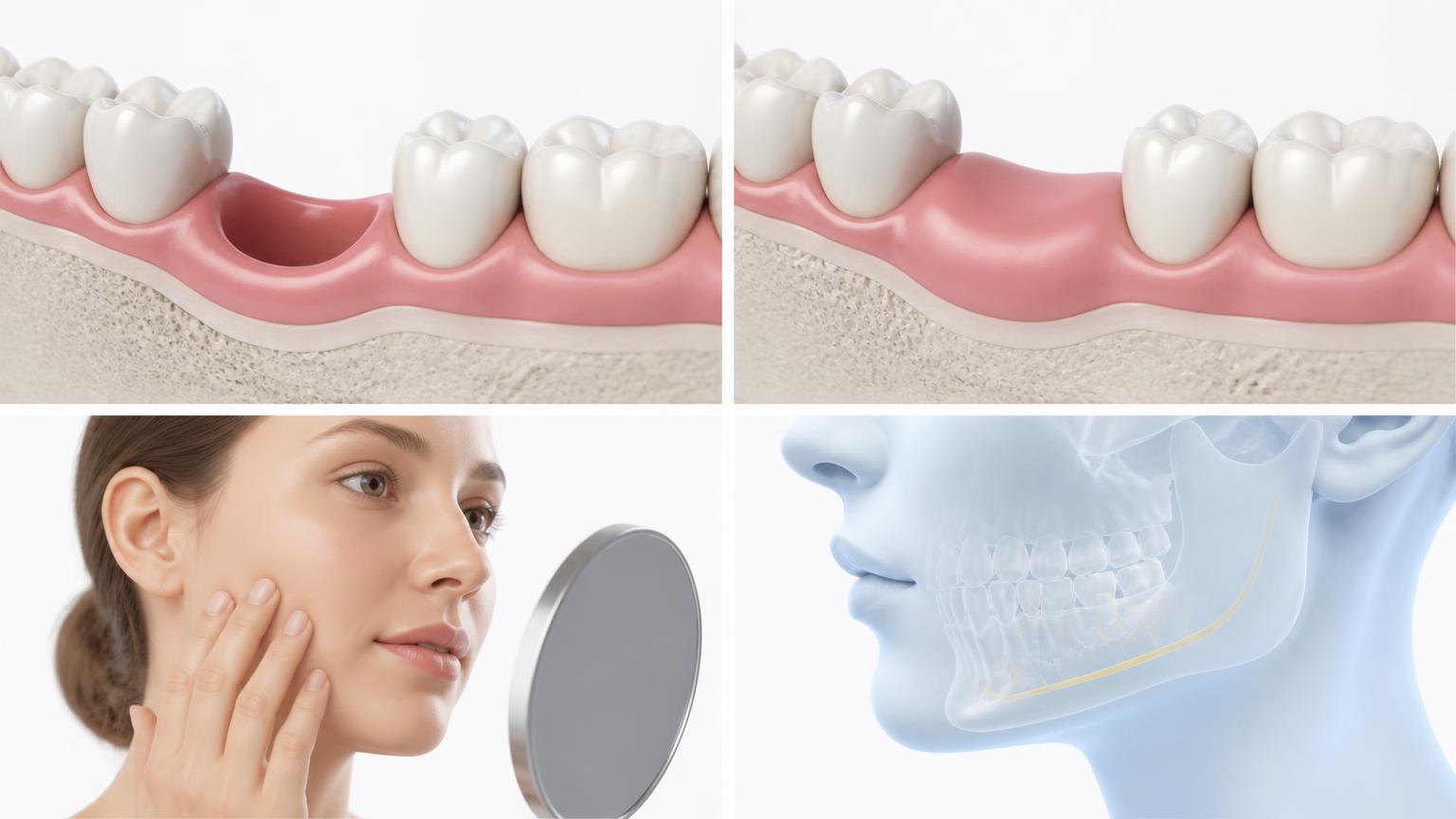
Are there risks with surgical extraction?
Like any surgical dental procedure, surgical extraction has possible risks.
Depending on the tooth and procedure, these may include:
- Pain
- Swelling
- Bleeding
- Infection
- Delayed healing
- Temporary difficulty opening the mouth
- Temporary or, less commonly, longer-lasting nerve-related symptoms
Your dentist will explain the risks relevant to your particular tooth before treatment.

Added reassurance for complex dental care
Some surgical extractions are straightforward, while others can be more complex depending on the tooth and the patient's individual circumstances.
The Millennium Dental's hospital-backed setting provides additional reassurance when dental treatment requires a higher level of clinical support.
Your dental team can assess your case and explain the appropriate level of care.
When should you contact your dentist?
Contact your dental team if you experience:
- Severe or worsening pain
- Heavy or persistent bleeding
- Increasing swelling
- Fever
- Difficulty swallowing
- Difficulty breathing
- Other symptoms that concern you
If you have difficulty breathing or swallowing, seek urgent medical care.

Frequently asked questions
Have a difficult or broken tooth?
A broken, impacted or badly damaged tooth should be assessed rather than left untreated.
Your dentist can examine the tooth, review appropriate imaging and explain whether a routine extraction, surgical extraction or another treatment is appropriate.
You do not need to decide on extraction before your consultation.
Book a surgical extraction consultation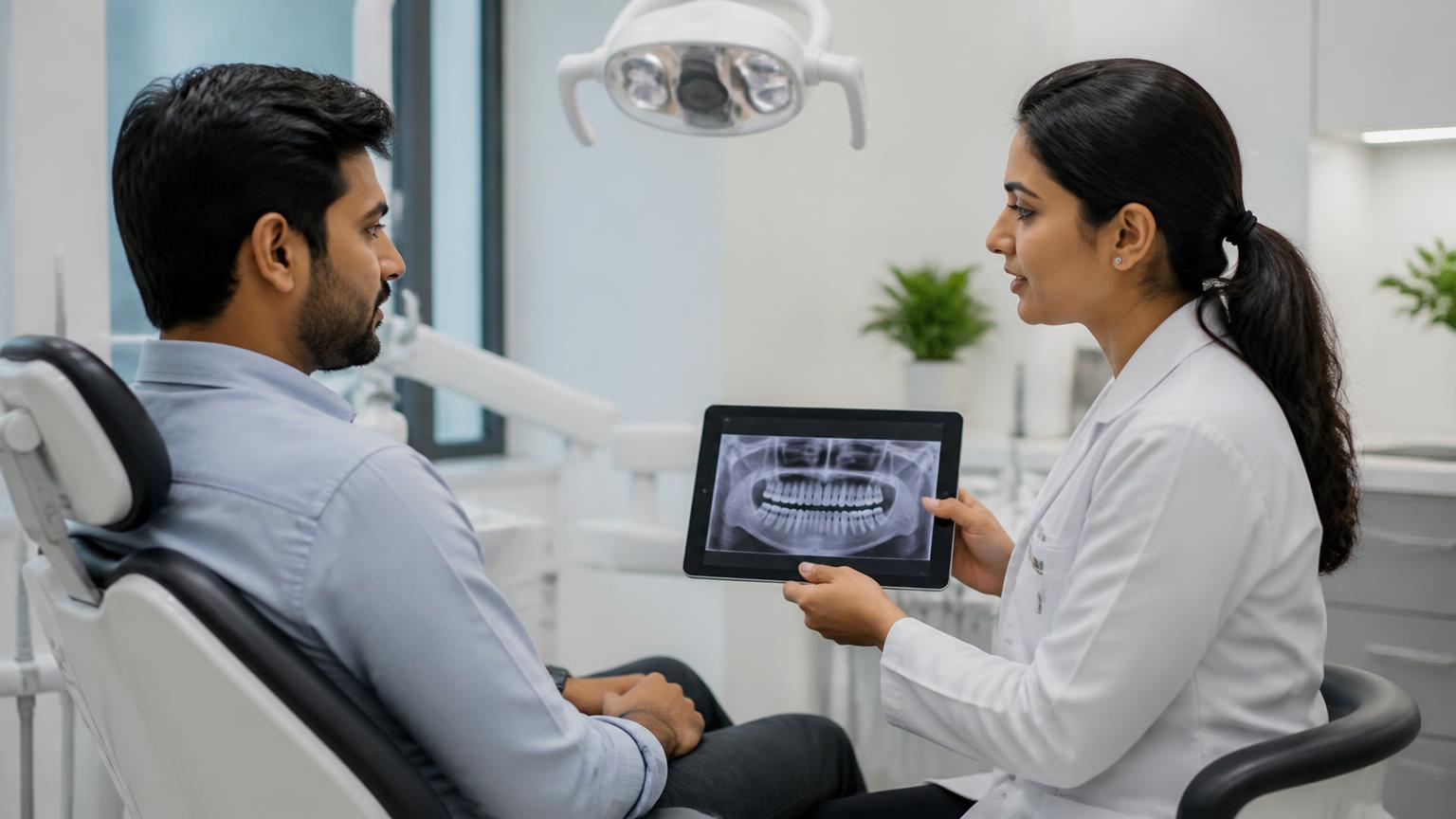
Need a difficult tooth removed?
A tooth that is broken, impacted or difficult to access may need more than a routine extraction.
Book a consultation with The Millennium Dental so your dental team can examine the tooth, review the appropriate imaging and explain the safest and most suitable treatment options for your case.
Book a surgical extraction consultationThe Millennium Dental — hospital-backed dental care in Navi Mumbai.