
Hospital-backed dental care in Navi Mumbai
Healthier gums for a healthier smile
Healthy gums are an important part of a healthy mouth.
Bleeding while brushing, swollen gums, persistent bad breath or gum recession can sometimes be signs of a gum problem.
At The Millennium Dental, your dentist can examine your gums, identify the cause of the problem and explain the treatment options suitable for you.

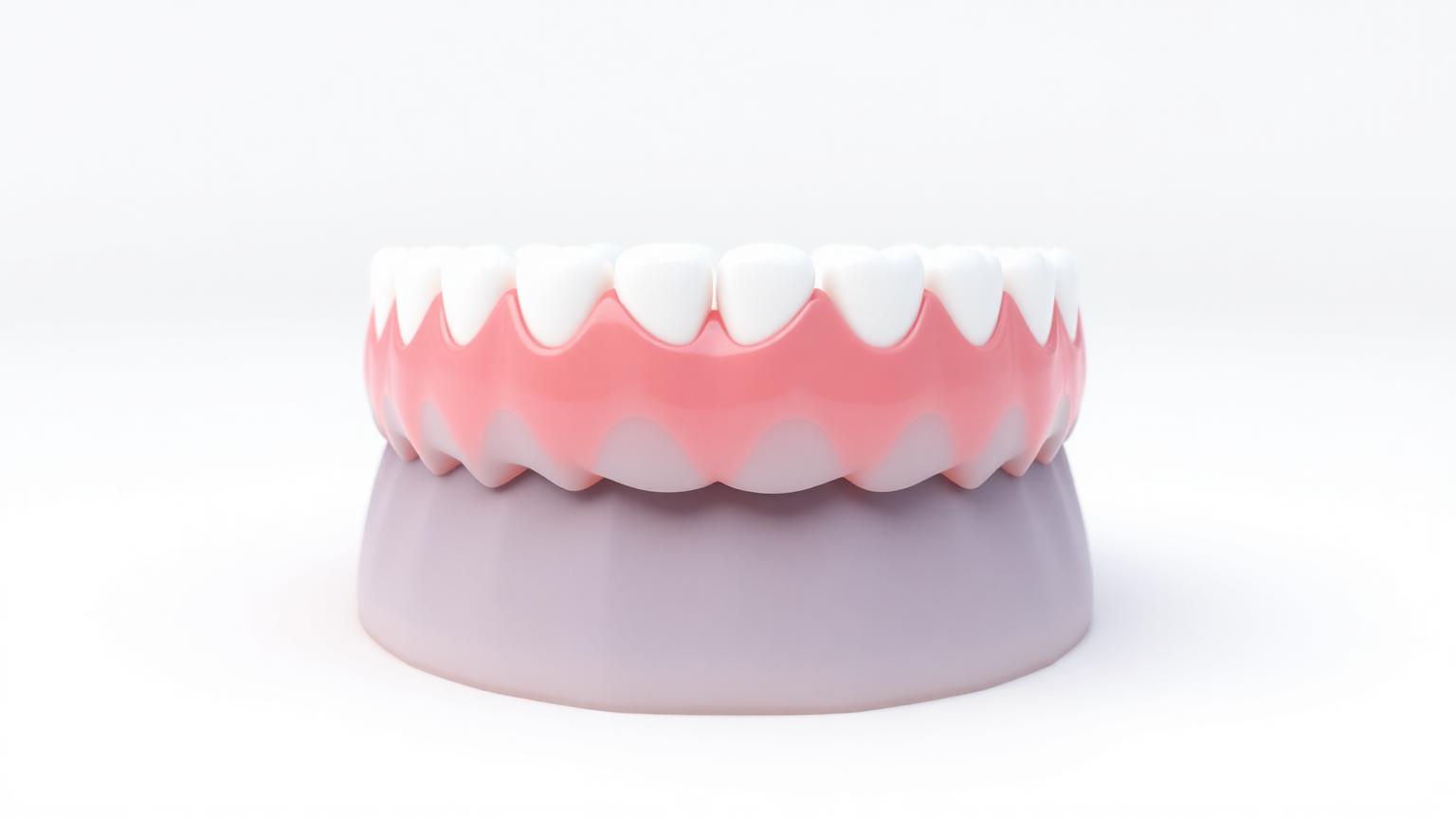
Your gums support your teeth
Gums help protect and support the tissues around your teeth.
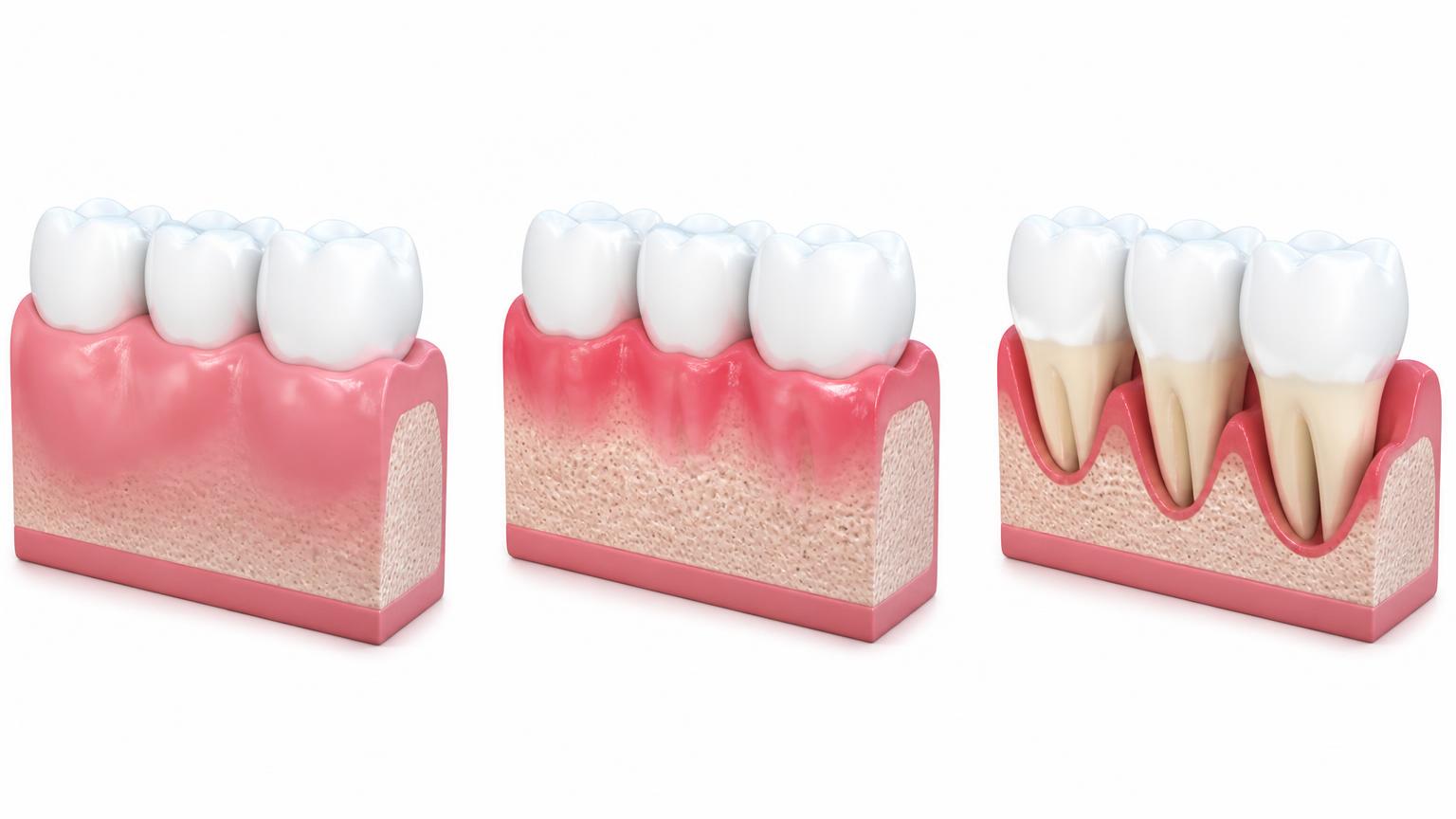
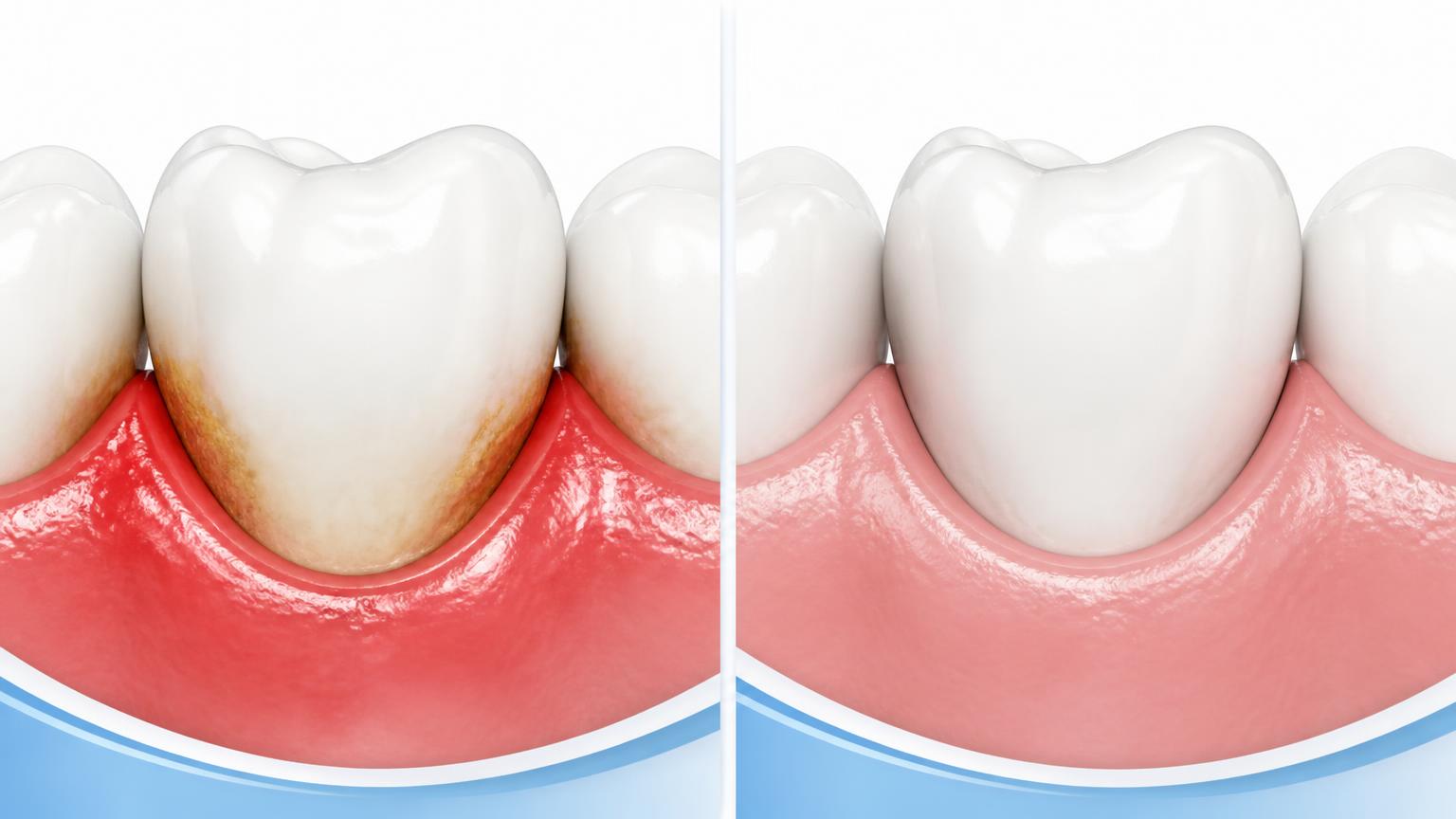
When gums become unhealthy, they can become swollen, tender or bleed easily.
If gum problems are left untreated, they can become more serious and may affect the tissues supporting the teeth.
Regular dental care can help identify gum problems early.
What is gum disease?
Gum disease is an infection or inflammation affecting the tissues around the teeth.
It can begin with inflammation of the gums and may become more serious if it is not treated.
Early gum problems can often be managed with professional care and better oral hygiene.
More advanced gum disease may affect the tissues and bone supporting the teeth.
Your dentist can assess the health of your gums and recommend appropriate treatment.
What signs should you look for?
Gum problems may cause:
- Bleeding while brushing or flossing
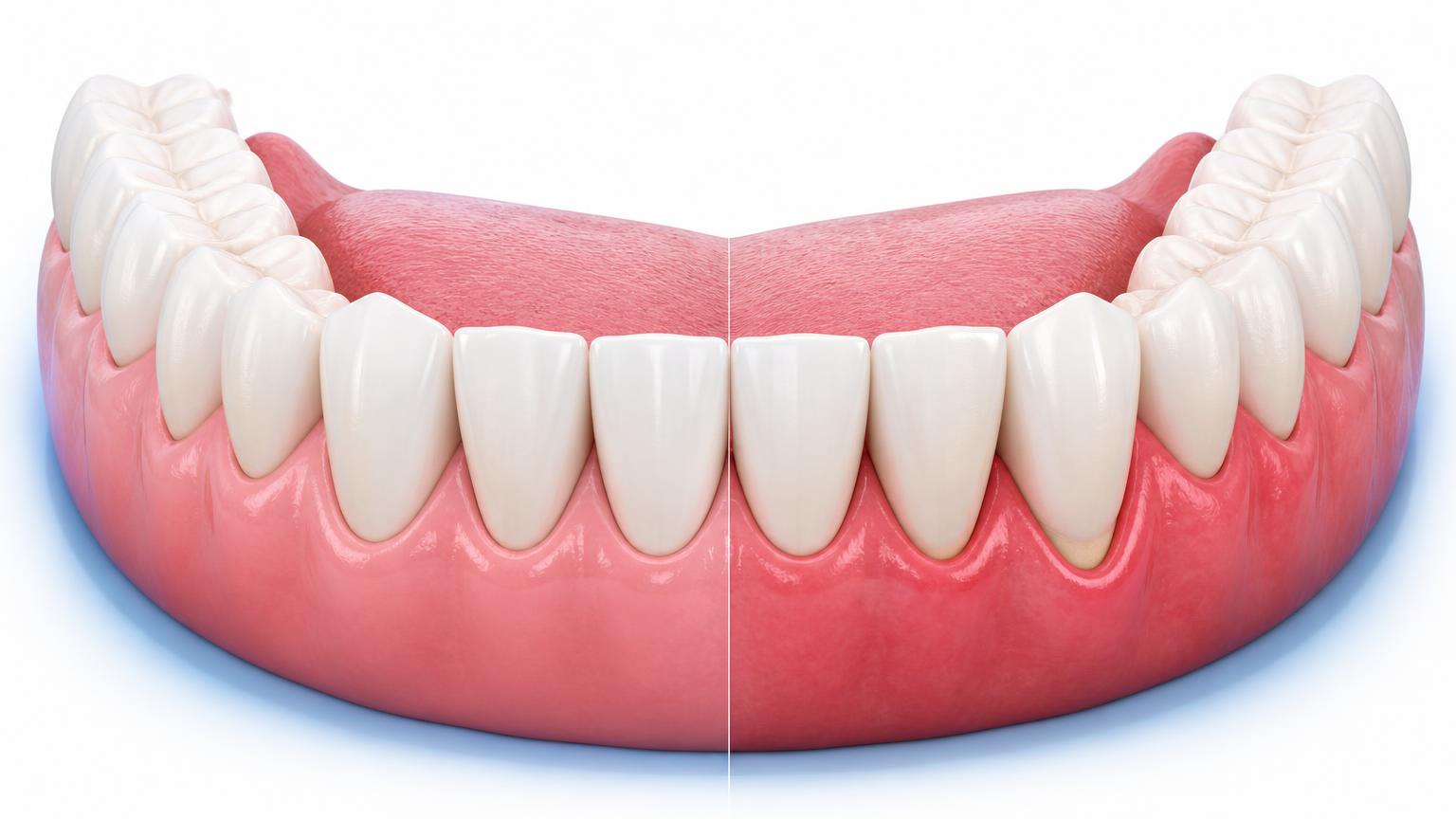
- Red or swollen gums
- Tender gums
- Persistent bad breath
- Gum recession
- Teeth that feel loose
- Changes in the way your teeth fit together
Some gum problems may develop slowly without obvious pain. If you notice changes in your gums, a dental check-up can help identify the cause.
Why do my gums bleed?
Bleeding gums can be a sign of gum inflammation.
It may happen when plaque builds up around the gum line and irritates the gums.
However, bleeding can have different causes.
If your gums regularly bleed when brushing or cleaning between your teeth, it is worth discussing this with your dentist rather than simply avoiding the area.


Could your gums be causing bad breath?
Persistent bad breath can have several causes.
Poor oral hygiene, gum problems, cavities, tongue coating and other conditions can all contribute.
If bad breath continues despite regular brushing, cleaning between your teeth and good oral care, a dental examination can help identify the cause.
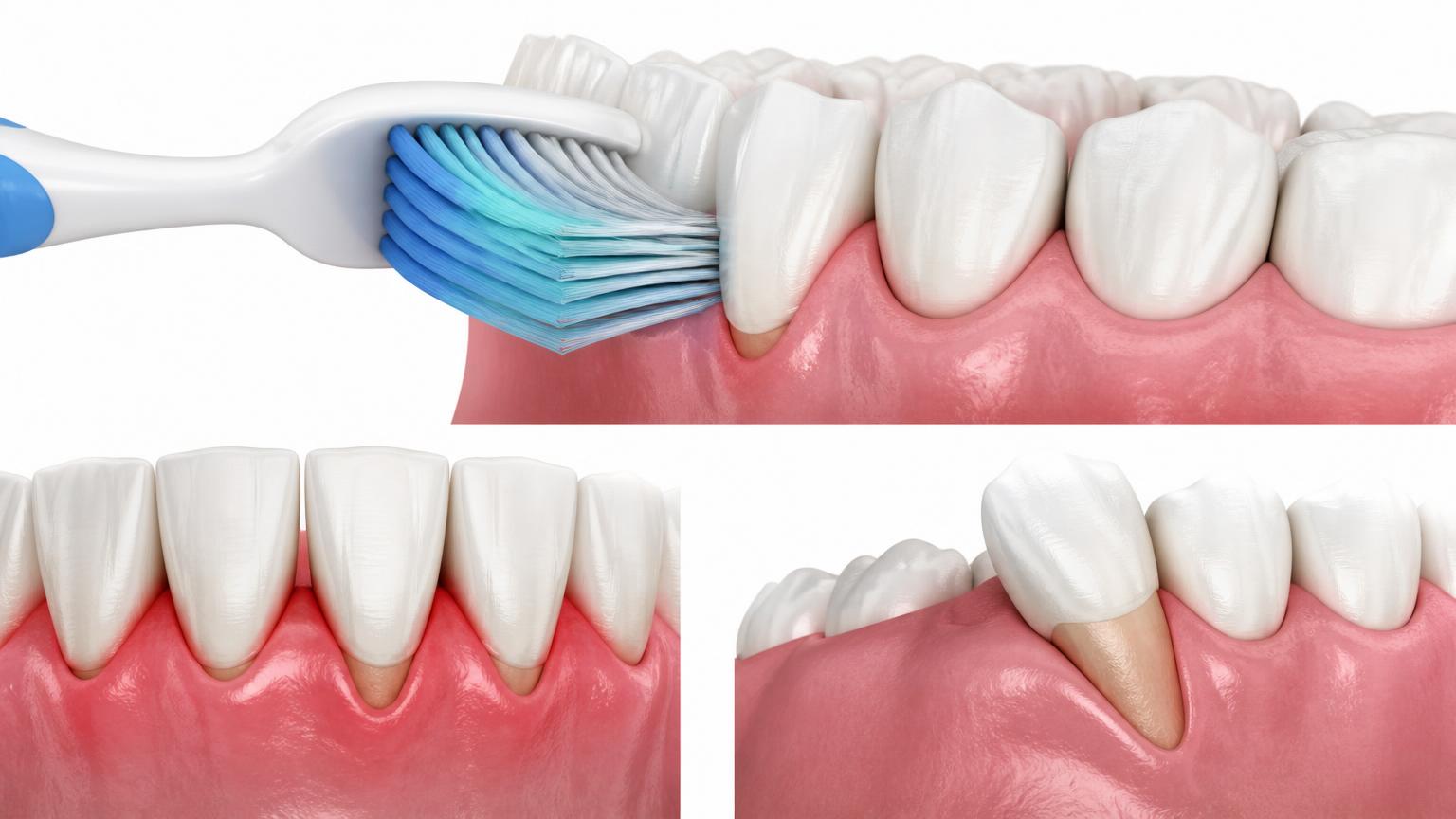
What is gum recession?
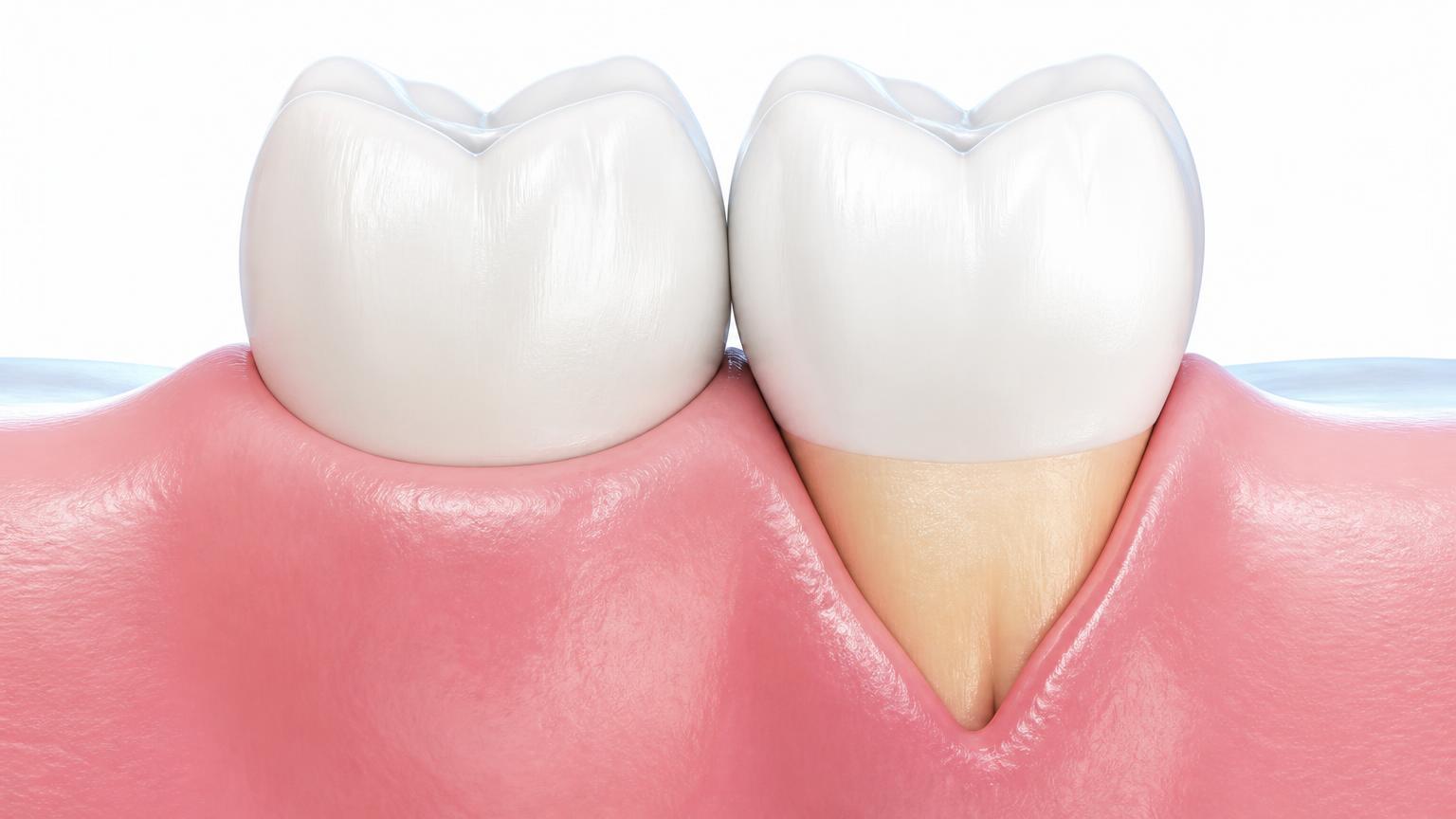
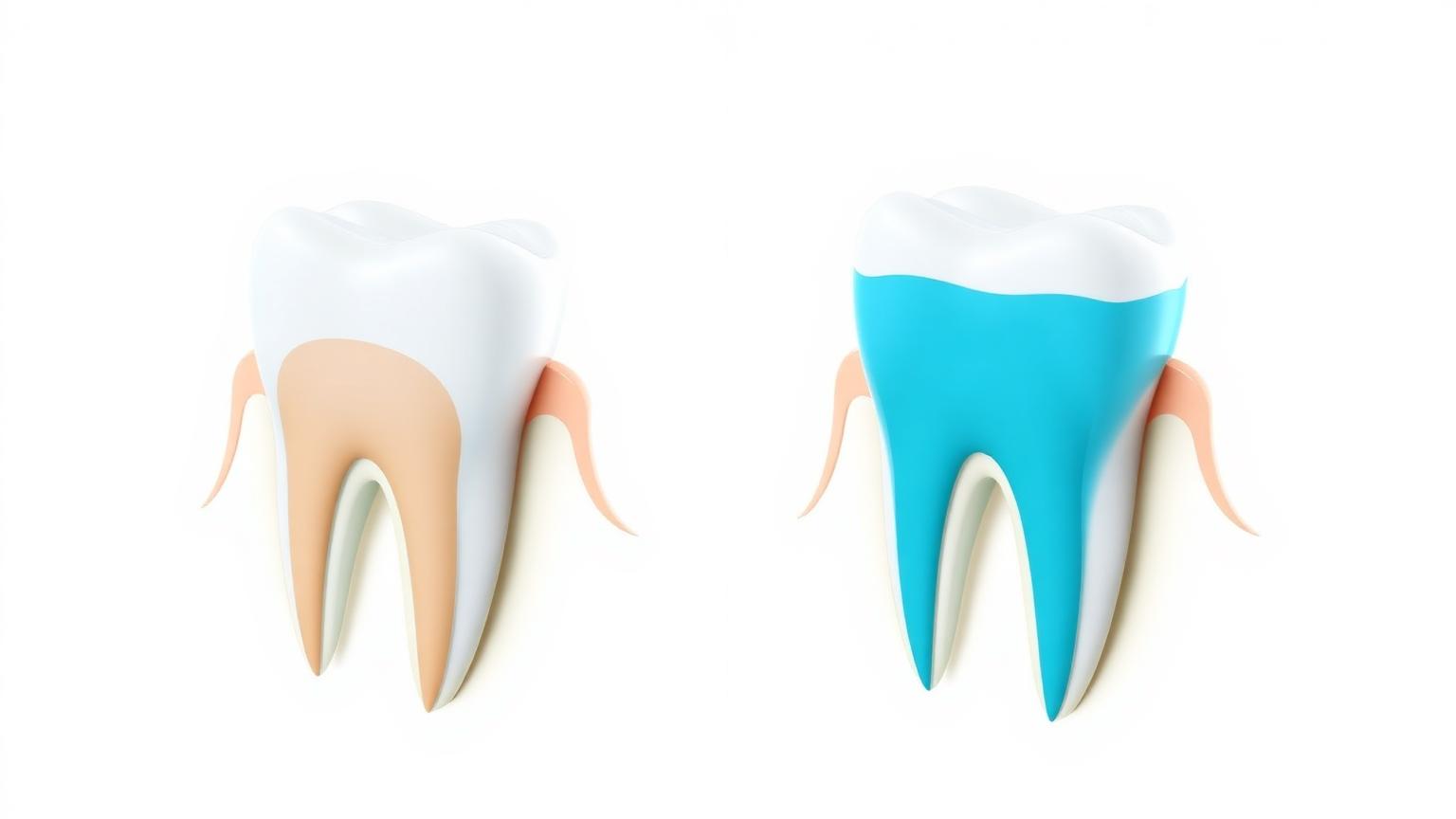
Gum recession happens when the gum tissue moves away from the normal position around a tooth.
This can make more of the tooth or root surface visible.
Some people may notice:
- Teeth appearing longer
- Tooth sensitivity
- Changes in gum shape
- Greater difficulty cleaning certain areas
Gum recession can have different causes and should be assessed by a dentist.
What can cause gum recession?
Gum recession can have different causes, including:
- Gum disease
- Brushing too aggressively
- Certain tooth positions
- Trauma or irritation
- Naturally thin gum tissue
- Other individual factors
The cause matters because treatment depends on why the gum has receded. Your dentist can assess the area and discuss appropriate care.
What is plaque?
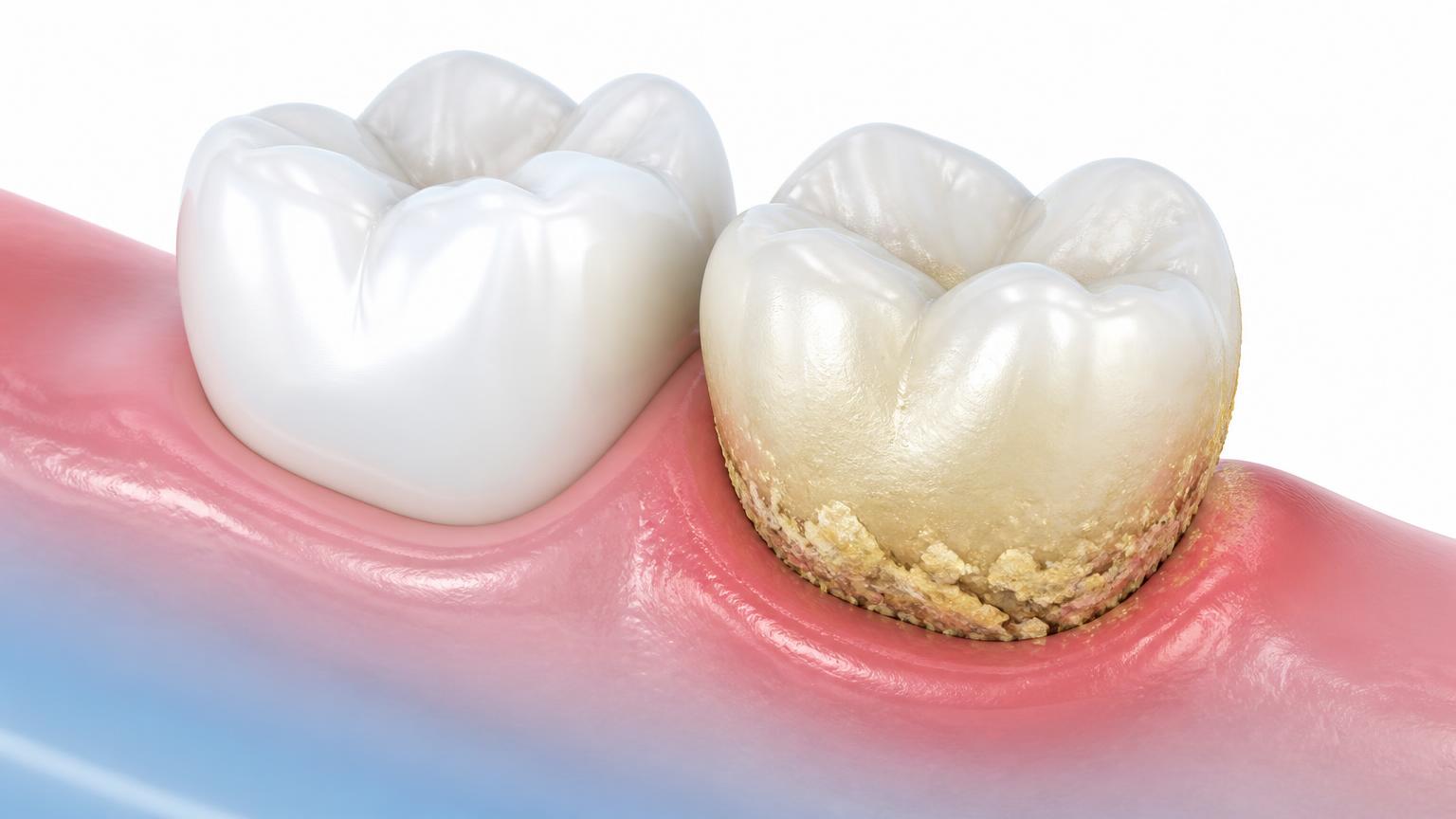
Plaque is a sticky layer of bacteria that forms on teeth.
If it is not removed properly, it can contribute to gum inflammation and tooth decay.
Plaque can harden into tartar, also called calculus, which cannot be removed effectively with normal brushing alone.
Professional dental cleaning can help remove accumulated tartar.
Why might you need a professional cleaning?
Professional cleaning can remove plaque and tartar that regular brushing cannot fully remove.
Your dental team may clean:
- Along the gum line
- Between teeth
- Around difficult-to-reach areas
The type of cleaning recommended depends on the condition of your teeth and gums.

What is deep cleaning?
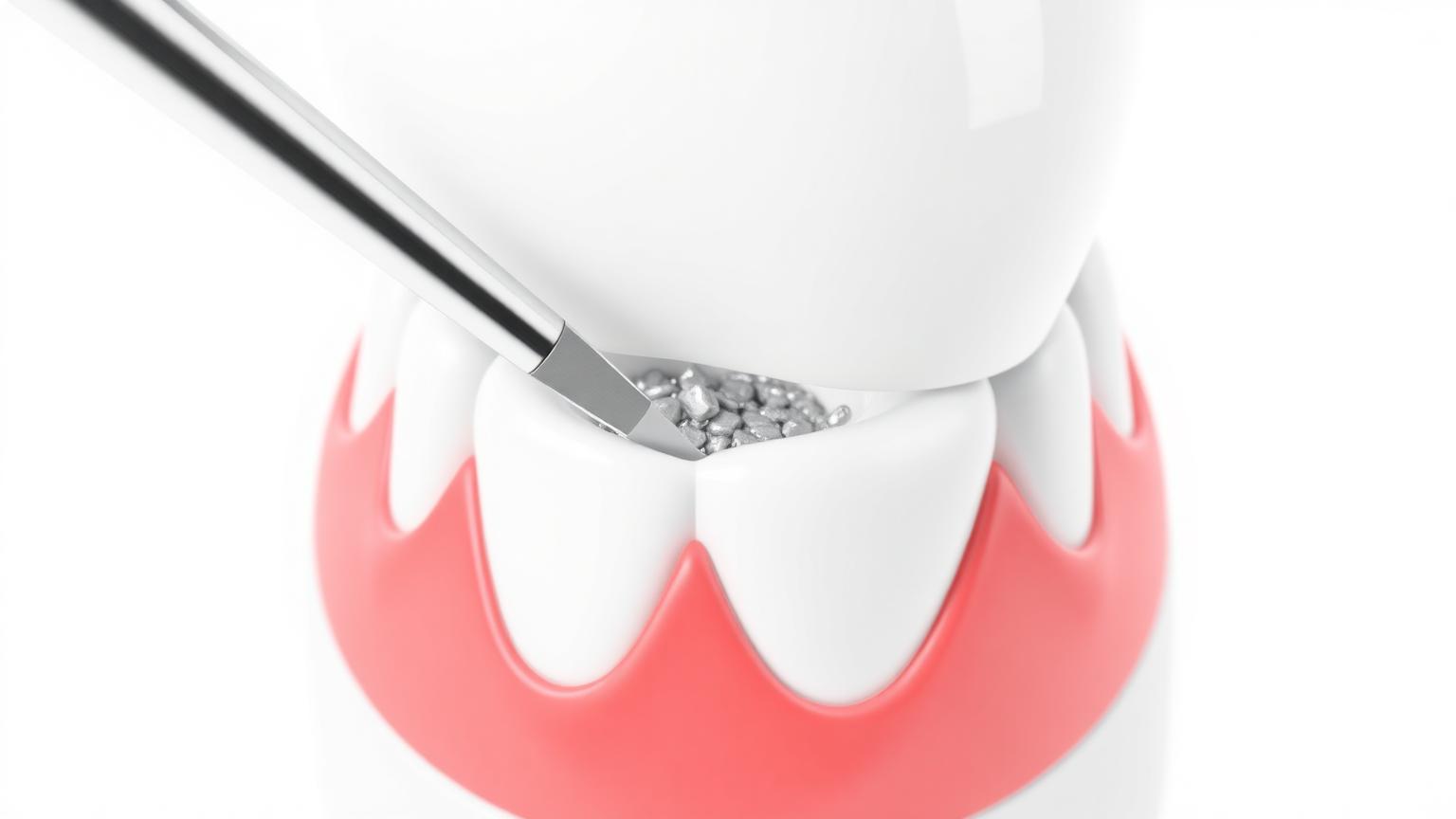
For some patients with gum disease, a deeper professional cleaning may be recommended to clean areas below the gum line.
This may involve removing plaque and tartar from tooth and root surfaces.
The exact treatment depends on the health of your gums and the depth of the affected areas.
Your dentist will explain what treatment is appropriate for you.
What happens during gum treatment?
Your treatment depends on the condition of your gums. It may include the following stages.
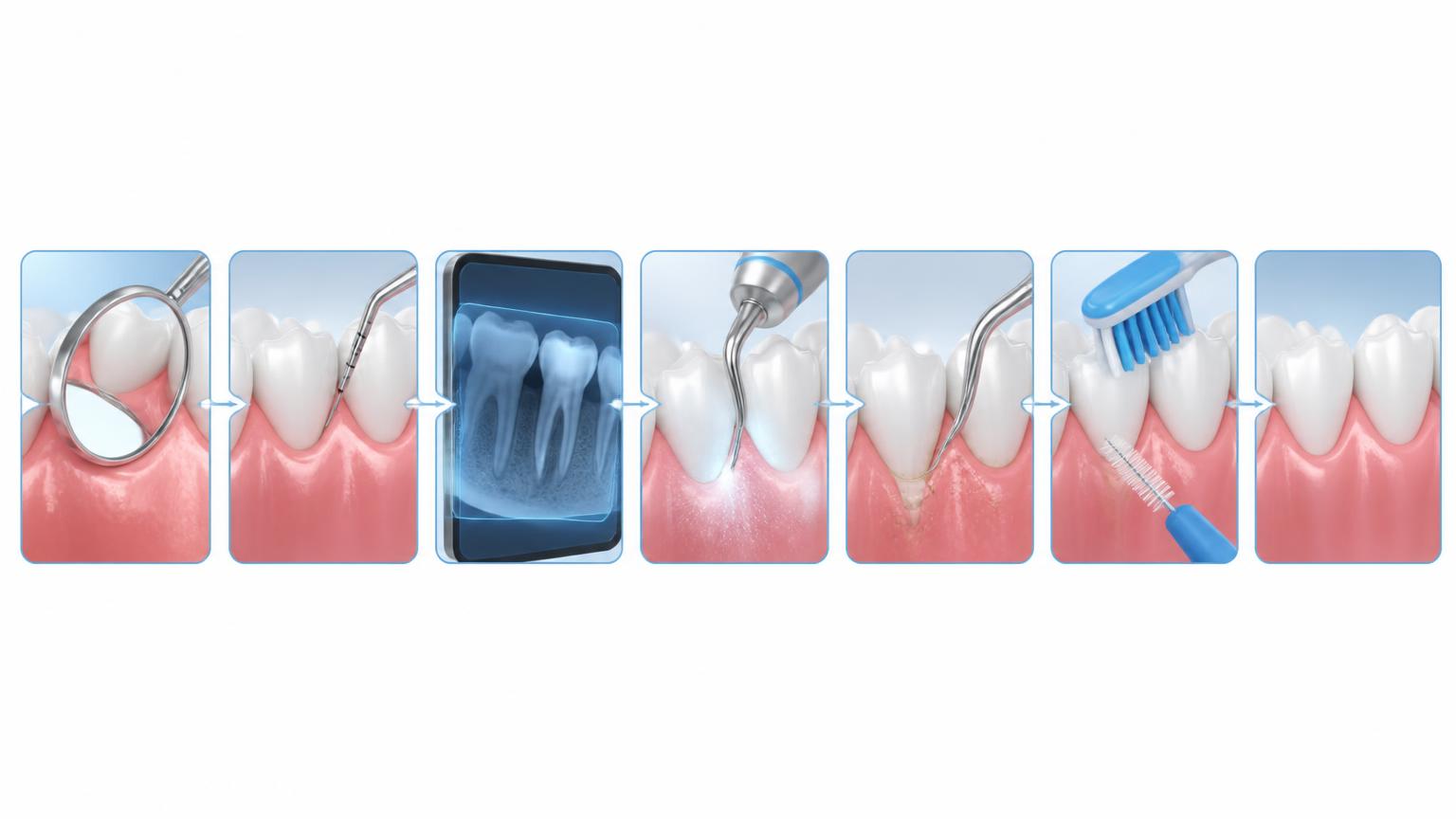
Step 1 — Gum examination
Your dentist checks your gums, teeth and oral hygiene.
Step 2 — Assessment
The dental team may measure gum pockets and use appropriate dental imaging when needed.
Step 3 — Professional cleaning
Plaque and tartar are removed.
Step 4 — Deeper cleaning
If gum disease is more advanced, cleaning below the gum line may be recommended.
Step 5 — Oral hygiene guidance
Your dental team explains how to improve your daily cleaning routine.
Step 6 — Follow-up
Your gums are reviewed to see how they are responding to treatment.
More advanced cases may require additional treatment or referral.
What are gum pockets?
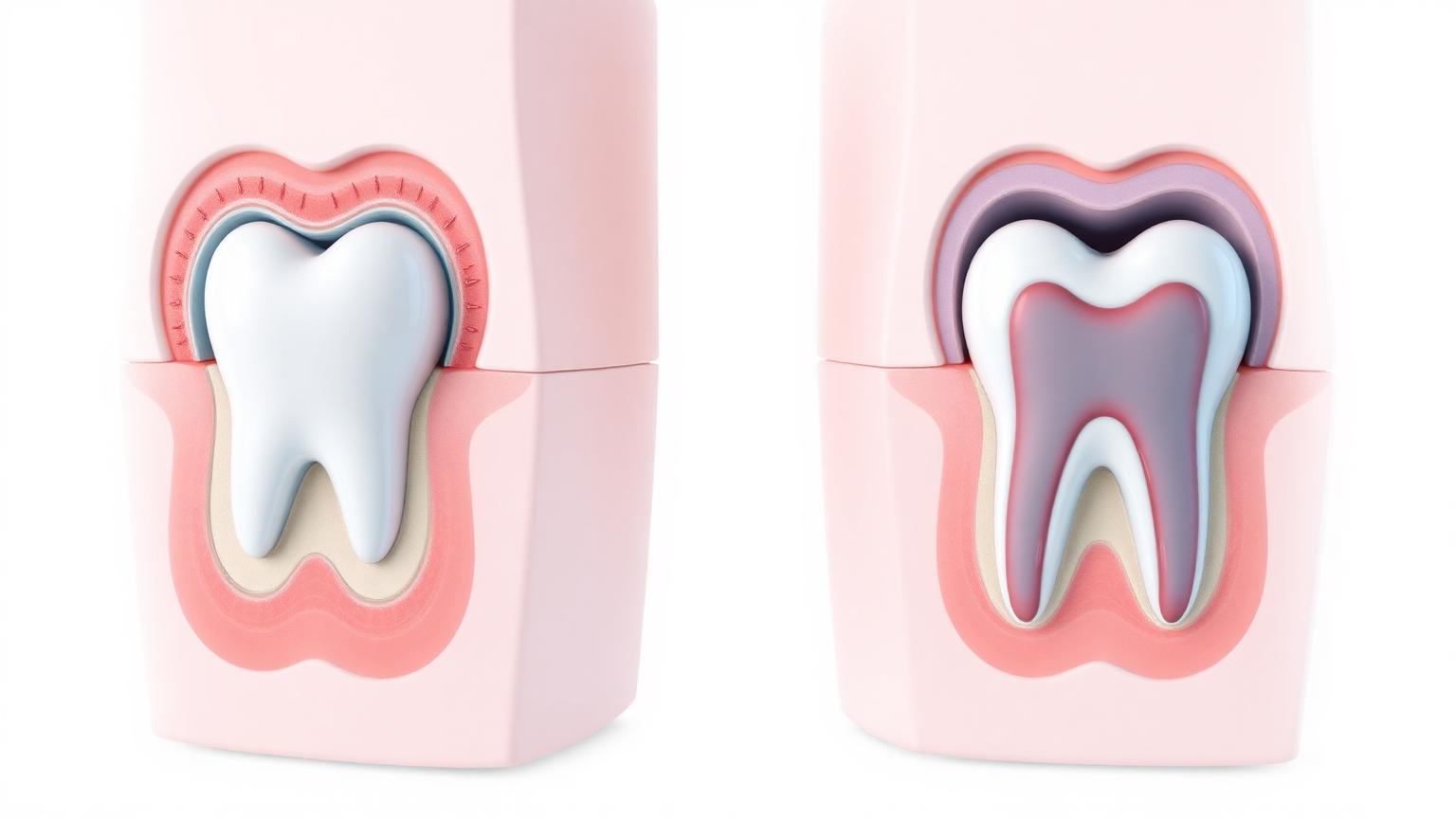
A small space naturally exists between the tooth and gum.
When gums become inflamed or affected by gum disease, this space can become deeper.
Your dentist may measure these spaces during a gum examination.
The measurements help the dental team understand your gum health and plan appropriate treatment.
Can gum disease affect the bone?
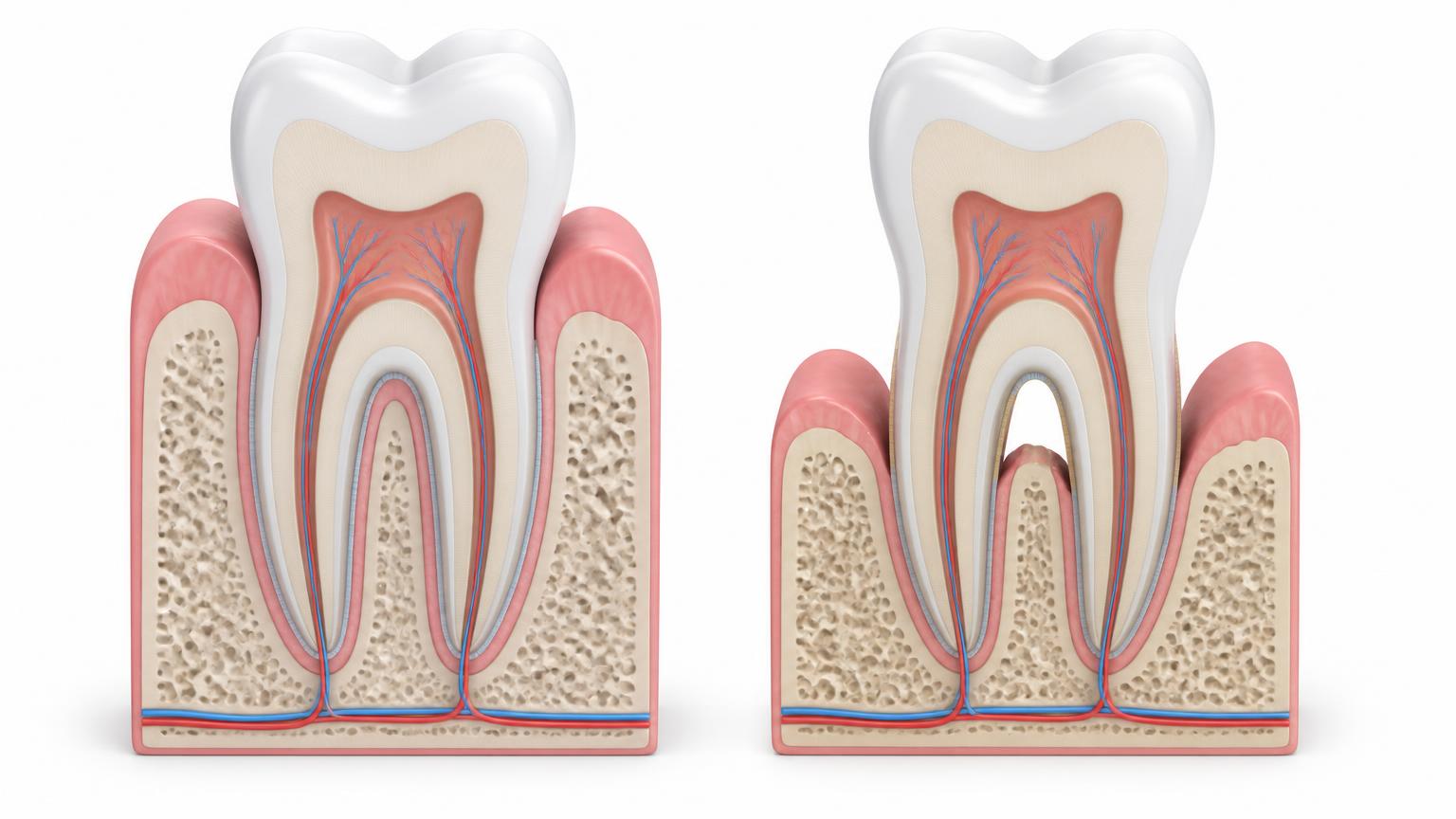
Advanced gum disease can damage the tissues and bone that support the teeth.
Bone loss may happen gradually and may not cause obvious pain.
Regular dental examinations can help identify gum problems and supporting tissue changes.
If you have advanced gum disease, your dentist may recommend further periodontal treatment.
Why can teeth become loose?
Adult teeth should not normally feel loose.
Loose teeth can have different causes, including advanced gum disease, injury or other dental problems.
If you notice a loose permanent tooth, arrange a dental examination promptly.
The sooner the cause is identified, the sooner appropriate treatment can be considered.

Daily care is part of gum treatment
Professional treatment is only one part of maintaining healthy gums. Daily care matters too.
You should:
- Brush twice a day
- Clean between your teeth
- Clean your tongue
- Avoid tobacco
- Attend regular dental check-ups
- Follow your dentist's cleaning instructions
Your dental team can show you how to improve your technique.
Tobacco can affect your gums
Tobacco use can increase the risk of gum problems and can affect healing.
If you use tobacco, tell your dentist.
Your dental team can explain how tobacco may affect your oral health and treatment.


Pregnancy can affect your gums
Hormonal changes during pregnancy can make some people more likely to experience swollen or bleeding gums.
Good oral hygiene and regular dental care remain important during pregnancy.
Tell your dentist if you are pregnant so your dental team can plan appropriate care for you.
Early gum problems can often be managed
Early gum inflammation can often improve with professional cleaning and better daily oral hygiene.
More advanced gum disease may require more involved treatment and ongoing maintenance.
The earlier gum problems are identified, the more options your dental team may have to manage them.
Frequently asked questions
Don't ignore bleeding or swollen gums
You should arrange a dental check-up if you notice:
- Regular bleeding while brushing
- Swollen or tender gums
- Persistent bad breath
- Gum recession
- Loose adult teeth
- Pain around the gums
- Changes in your bite
Gum problems are not always painful, so waiting for pain may mean waiting too long.
Book a gum health consultation
Bleeding gums or worried about your gum health?
Healthy gums are an important part of keeping your natural teeth healthy.
If you have bleeding, swelling, bad breath, gum recession or another concern, book a consultation with The Millennium Dental.
Our dental team can assess your gums, explain what may be causing the problem and help you understand the treatment options available.
Book a gum health consultationThe Millennium Dental — hospital-backed dental care in Navi Mumbai.