
Hospital-backed dental care in Navi Mumbai
Gentle dental care for growing smiles
Children's teeth need care from the time the first tooth appears.
Regular dental visits can help identify problems early, protect developing teeth and help children become comfortable with dental care.
At The Millennium Dental, we aim to make dental visits simple, gentle and reassuring for children and parents.
Book a child's dental appointment
Healthy teeth matter from the beginning
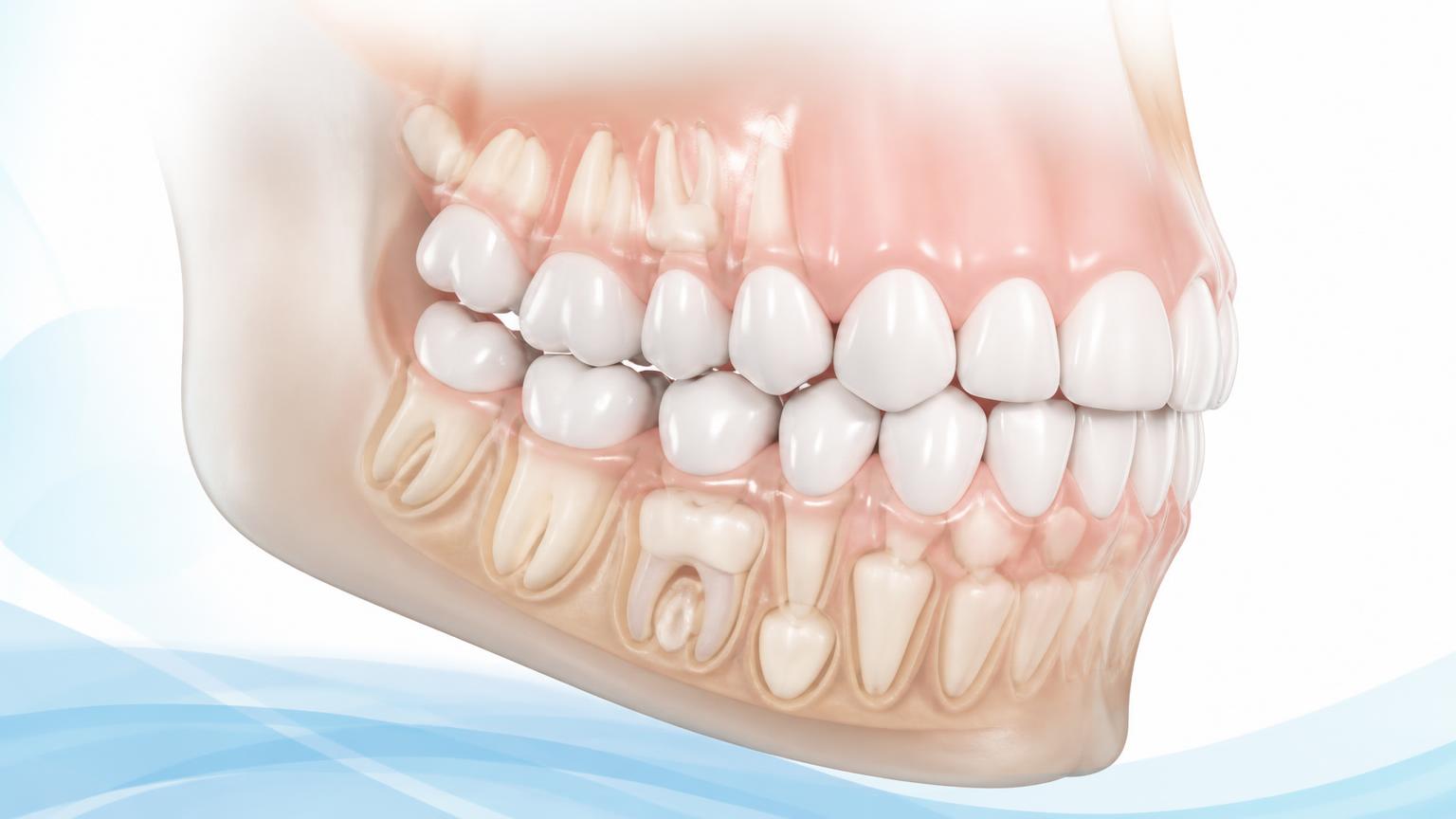
Baby teeth are important even though they eventually fall out.
They help children:
- Eat comfortably
- Speak clearly
- Maintain space for developing permanent teeth
- Develop healthy oral-care habits
Taking care of baby teeth can help prevent avoidable dental problems and make dental visits a more positive experience.
Start dental visits early
A child's first dental visit can happen when the first tooth appears or by around the first birthday.
Early visits allow the dental team to check tooth development, discuss brushing and help parents understand how to care for their child's teeth.
Starting early can also help children become familiar with the dental environment.
Regular dental visits help keep problems small
Children should have regular dental check-ups as recommended by their dental team.
During these visits, the dentist can monitor:
- Tooth development
- Oral hygiene
- Cavities
- Gum health
- Bite and jaw development
- Dental habits
The appropriate frequency depends on your child's individual needs.
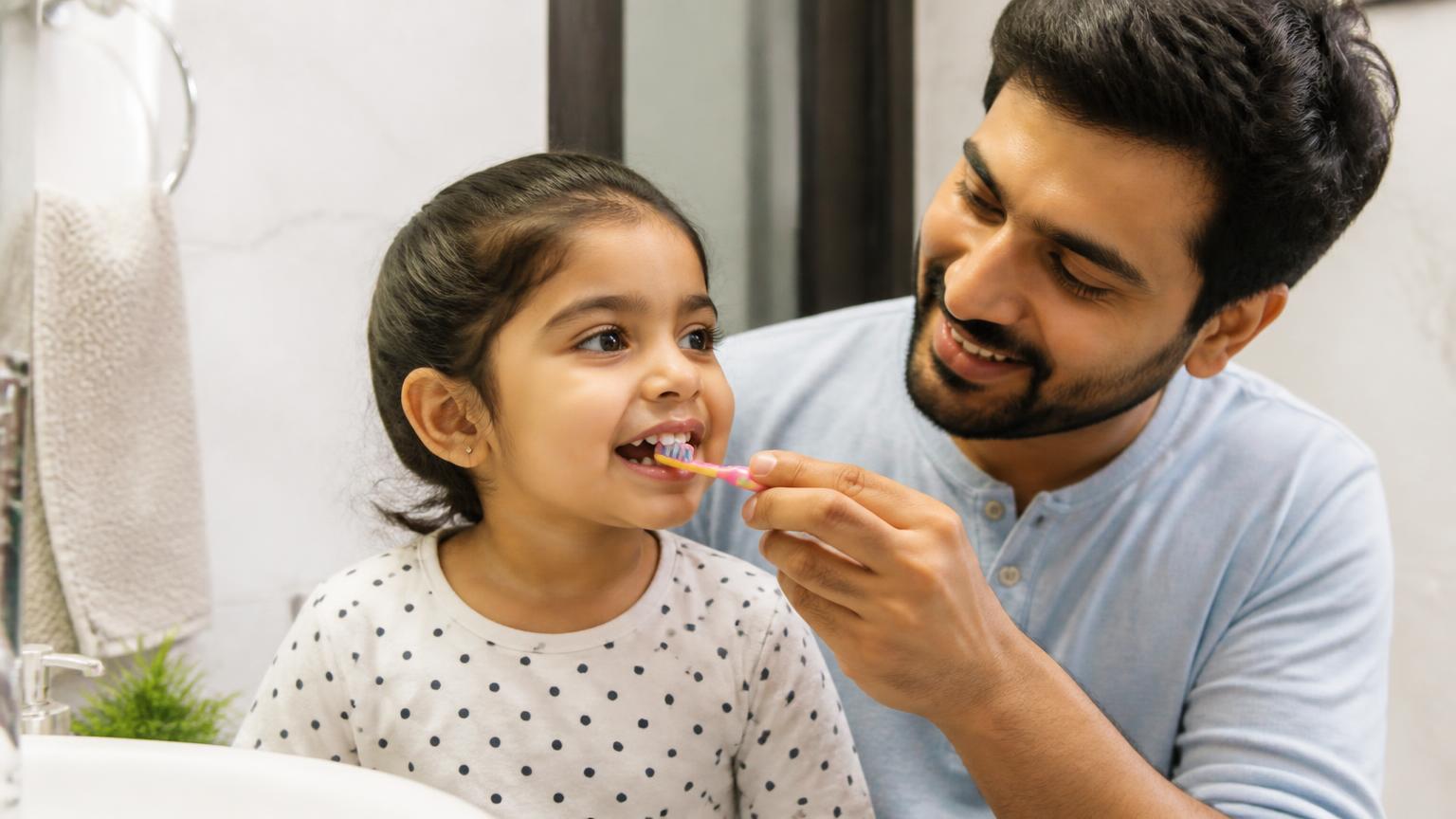
Help your child build good brushing habits
Children need help with brushing until they are able to clean their teeth properly on their own.
Parents can help by:
- Brushing twice a day
- Using an age-appropriate toothbrush
- Using fluoride toothpaste as recommended by the dentist
- Helping children reach difficult areas
- Making brushing part of the daily routine
Your dentist can show you how to care for your child's teeth according to their age.
How does fluoride help?
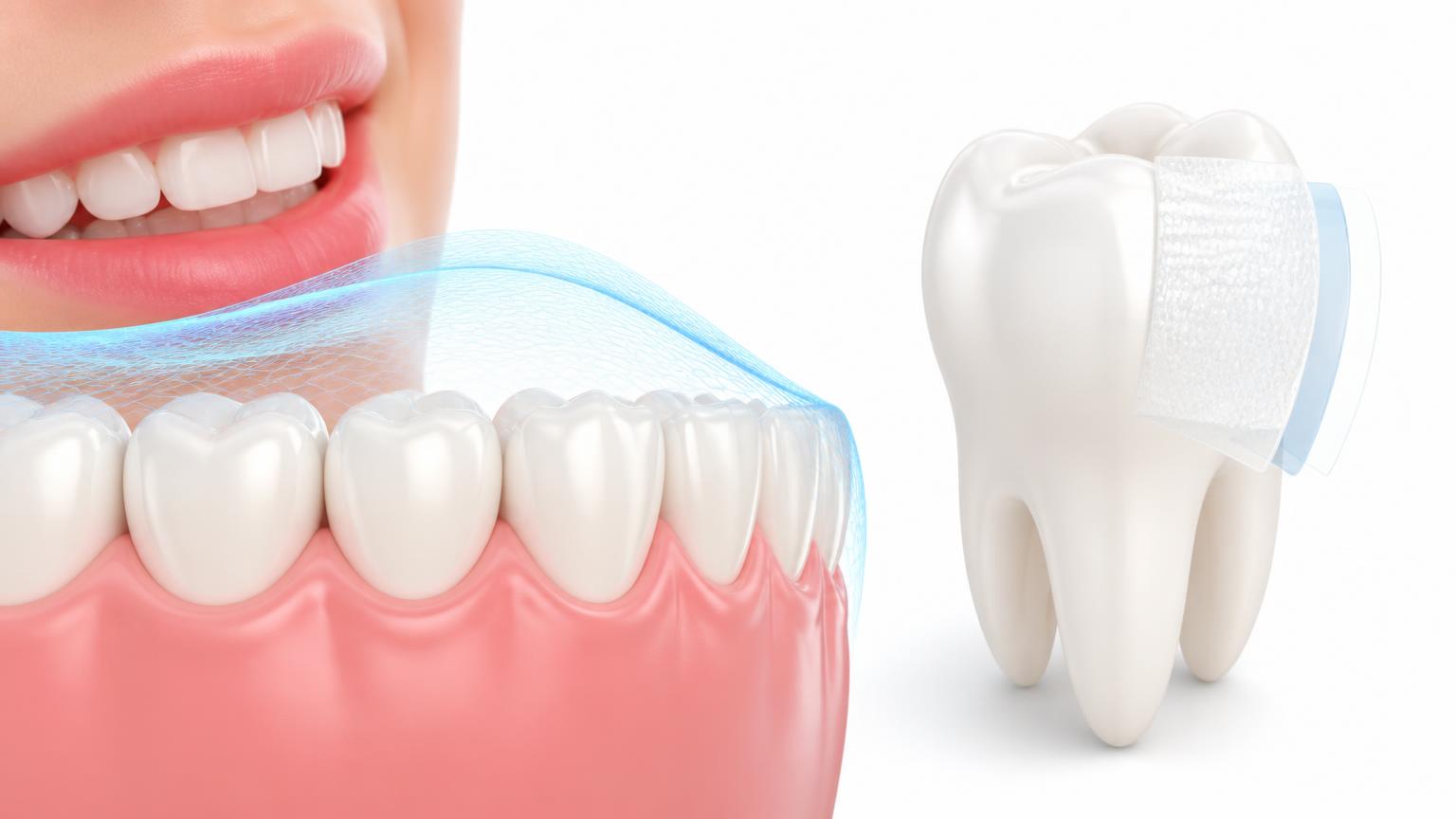
Fluoride can help strengthen tooth enamel and make teeth more resistant to decay.
Children may receive fluoride through toothpaste, drinking water or professional dental treatments, depending on their age and individual needs.
The right amount is important.
Your dentist can recommend appropriate fluoride use for your child.
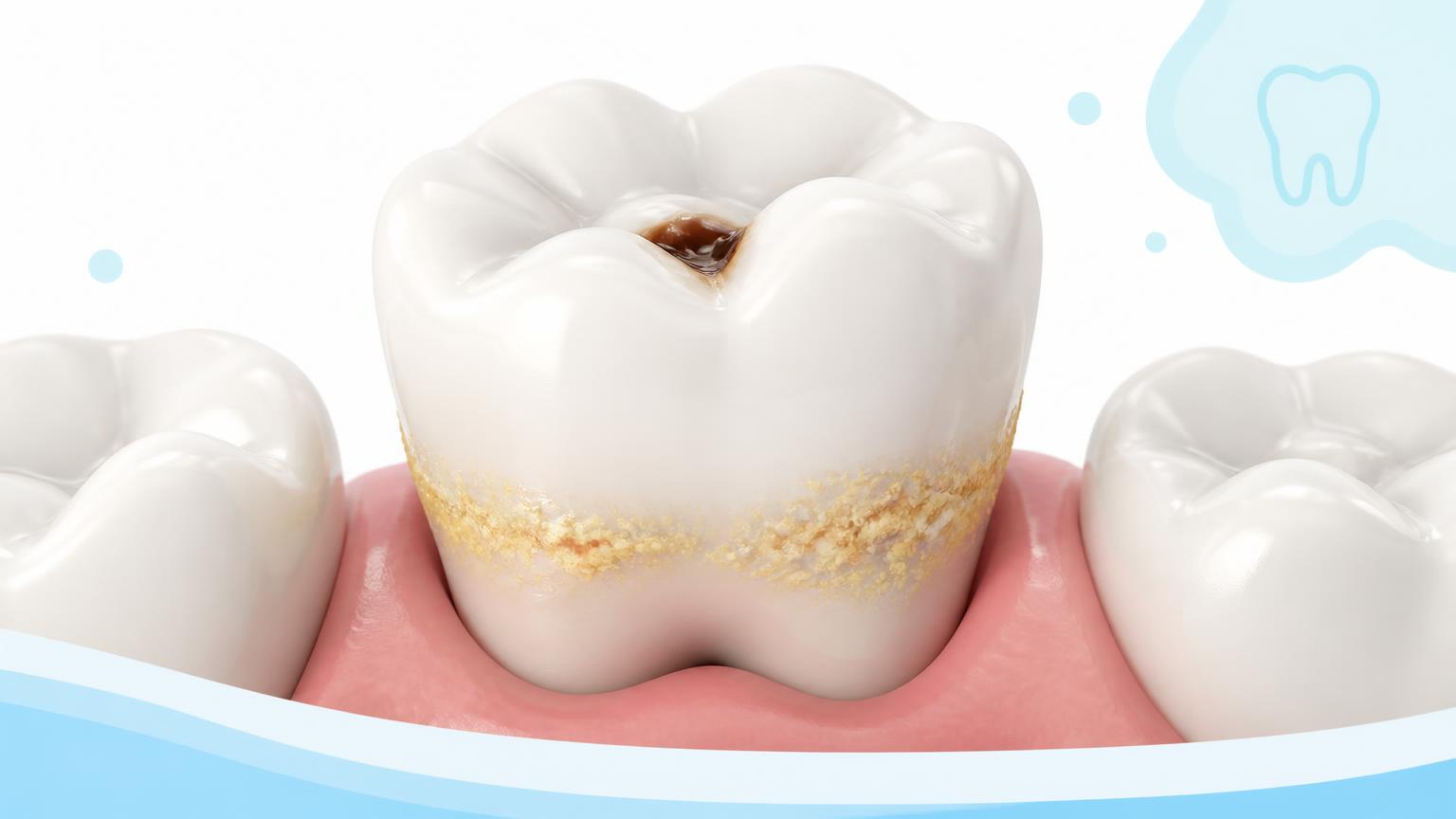
Why do children get cavities?
Cavities can develop when bacteria and sugars in the mouth contribute to damage of the tooth surface.
Children can be more vulnerable when brushing is difficult or when sugary foods and drinks are frequent.
Regular brushing, healthy eating habits and dental check-ups can help reduce the risk of cavities.
What signs should parents watch for?
A child with a cavity may have:
- Tooth sensitivity
- Pain while eating
- Toothache
- Visible dark or white areas on a tooth
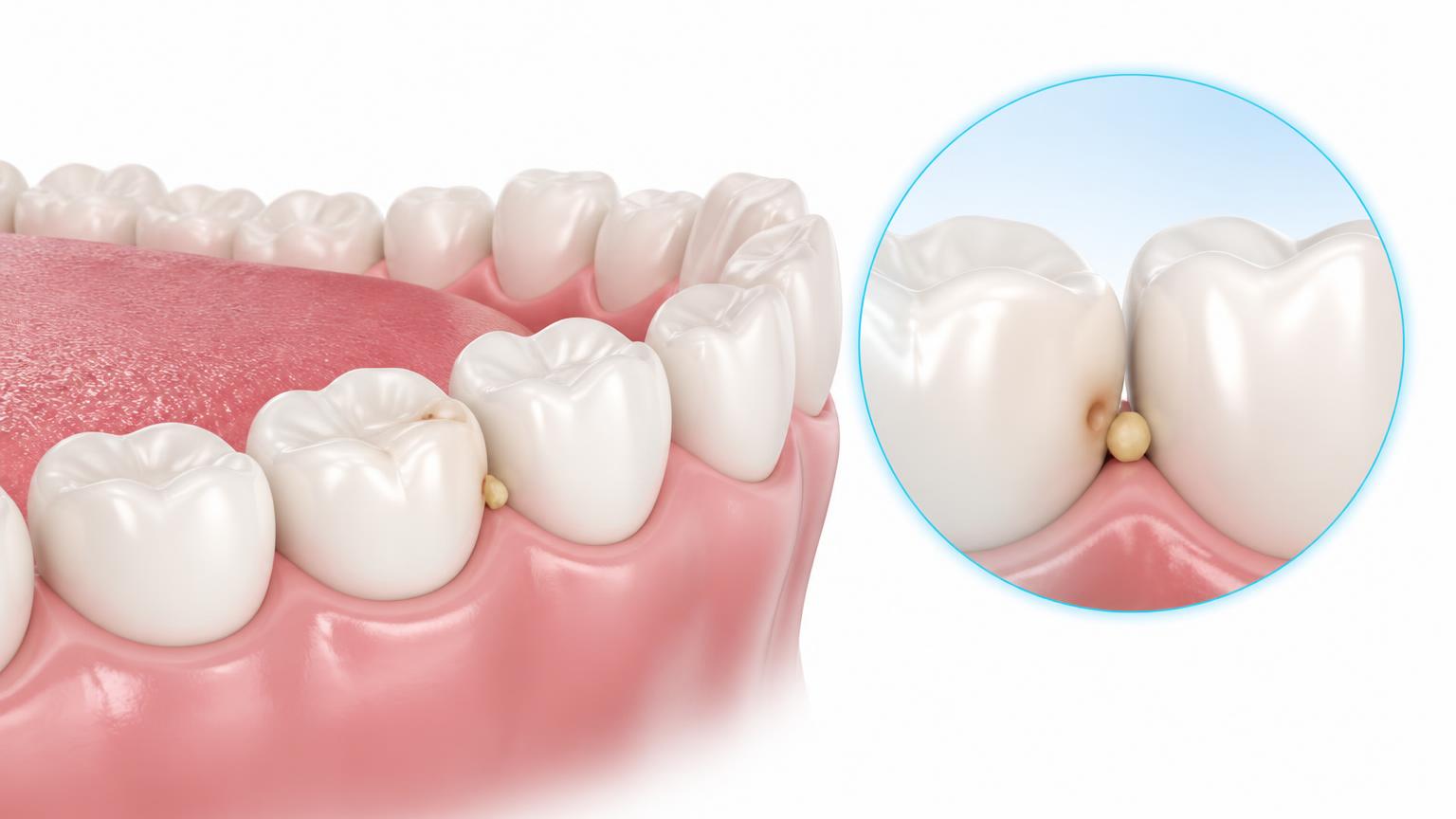
- Food getting trapped
- Discomfort with hot or cold foods
Some cavities may not cause pain in the early stages.
Regular dental check-ups can help identify problems before they become more difficult to treat.
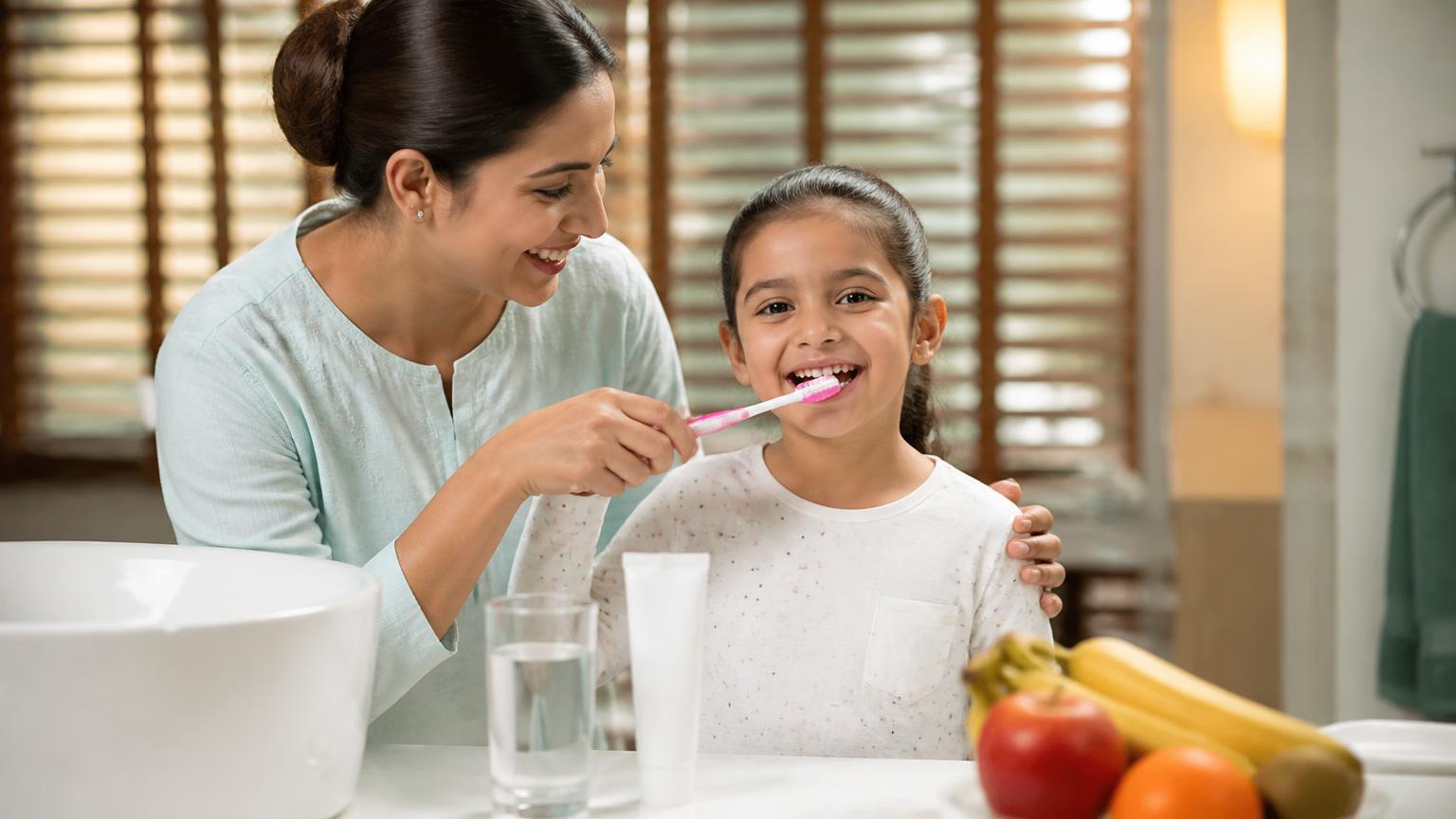
Small daily habits can make a big difference
You can help protect your child's teeth by:
- Brushing twice a day
- Using fluoride toothpaste as recommended
- Cleaning between teeth when appropriate
- Limiting frequent sugary snacks and drinks
- Encouraging water
- Attending regular dental visits
Your dentist can help you create an oral-care routine that suits your child's age.
Be careful with frequent sugary drinks
Frequent exposure to sugary drinks can increase the risk of tooth decay.
This includes drinks given repeatedly throughout the day or during sleep.
Water is generally a better everyday drink for children's teeth.
Your dentist can advise you about feeding and drinking habits based on your child's age.

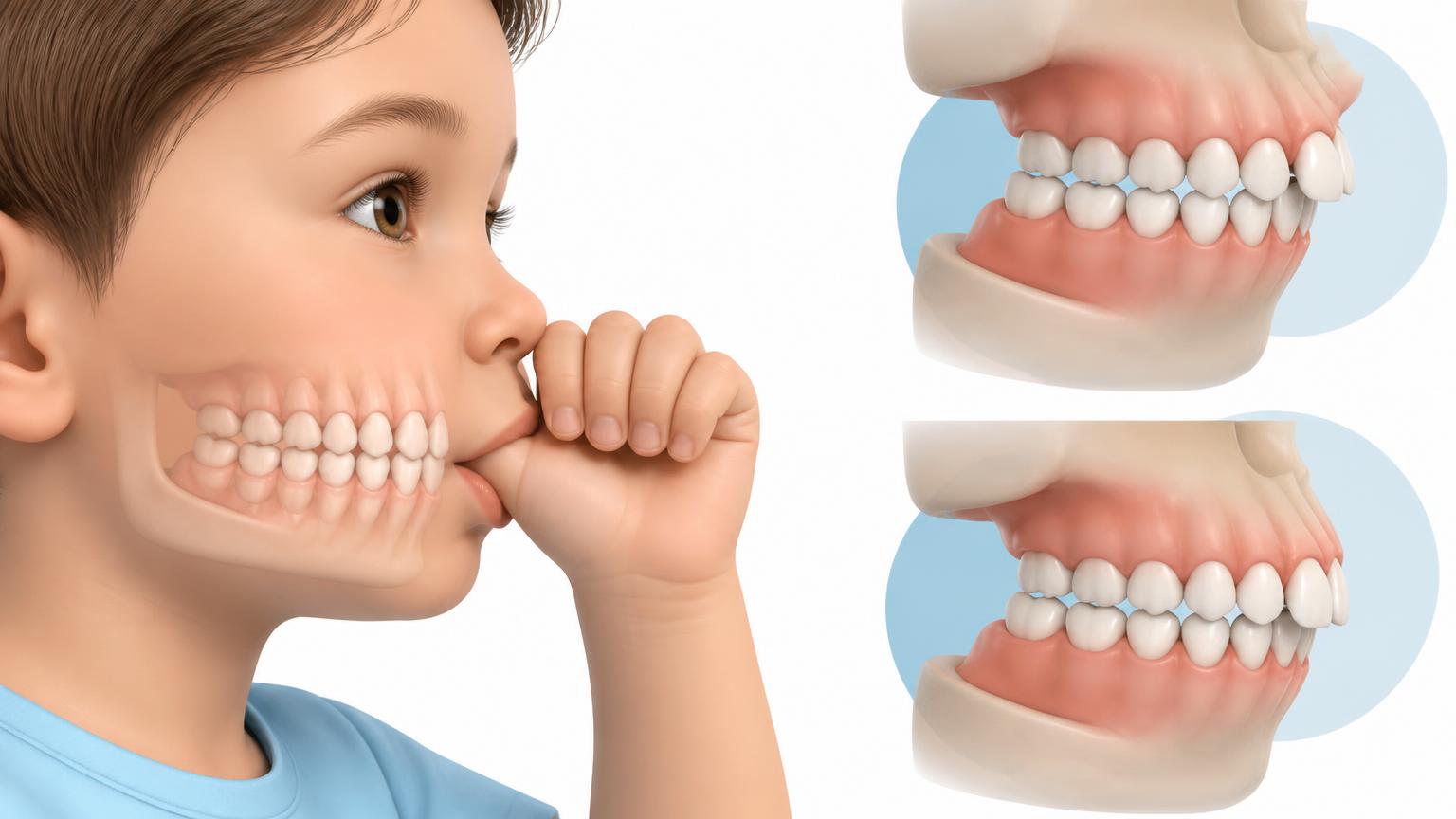
Do oral habits affect growing teeth?
Thumb sucking, pacifier use and other oral habits can affect developing teeth and jaw growth when they continue for a long time.
The effect can depend on the habit, frequency and duration.
If you are concerned about your child's habit, speak with your dentist.
Early advice can help parents understand when action may be needed.
What if your child grinds their teeth?
Some children grind or clench their teeth.
Parents may notice:
- Grinding sounds during sleep
- Worn-looking teeth
- Jaw discomfort
- Morning facial discomfort
Teeth grinding can have different causes.
If you notice regular grinding or are concerned about your child's teeth, discuss it with your dentist.

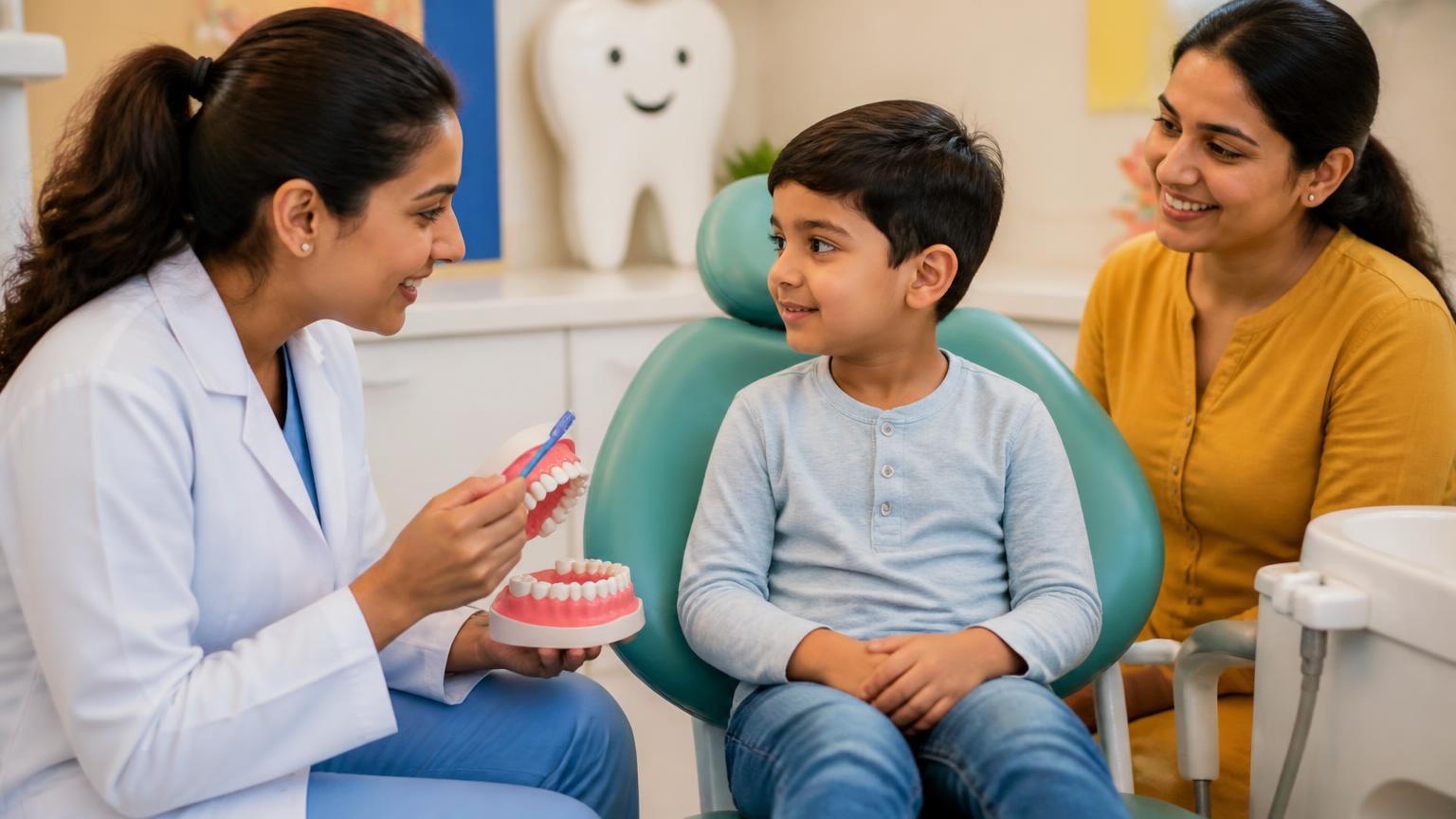
Helping children feel comfortable at the dentist
Some children feel nervous about visiting the dentist.
A calm and positive experience can help build confidence.
Parents can help by:
- Speaking positively about dental visits
- Avoiding frightening words
- Explaining that the dentist helps keep teeth healthy
- Bringing the child for regular visits
- Allowing the dental team to introduce procedures at the child's pace
Our goal is to help children feel safe and understood.
The first visit should feel simple
A child's dental visit does not always need to involve treatment.
The first appointment may simply involve:
- Meeting the dentist
- Looking at the dental chair
- Talking about brushing
- Checking the teeth when the child is comfortable
- Answering the parent's questions
Building familiarity can make future visits easier.
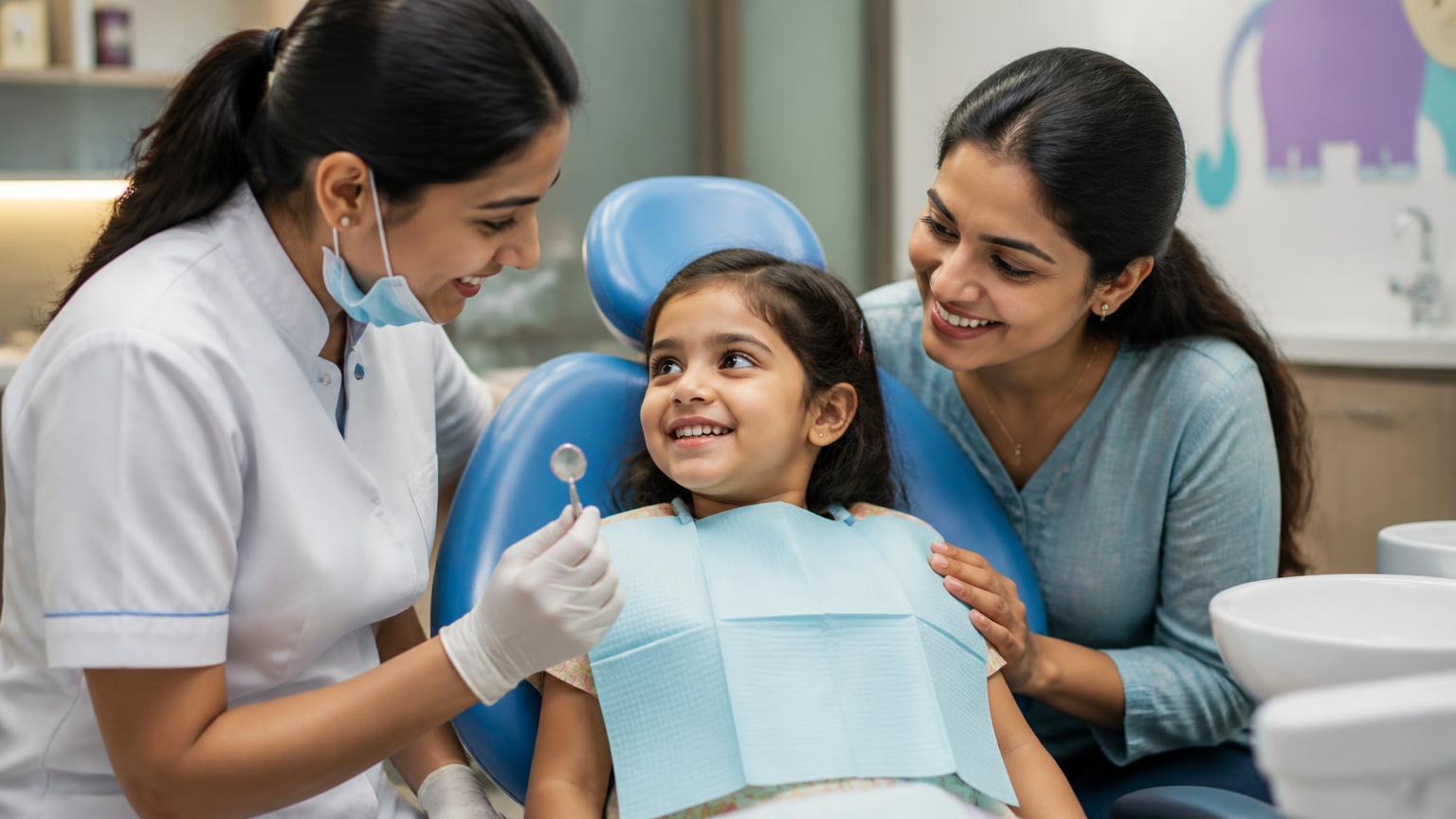
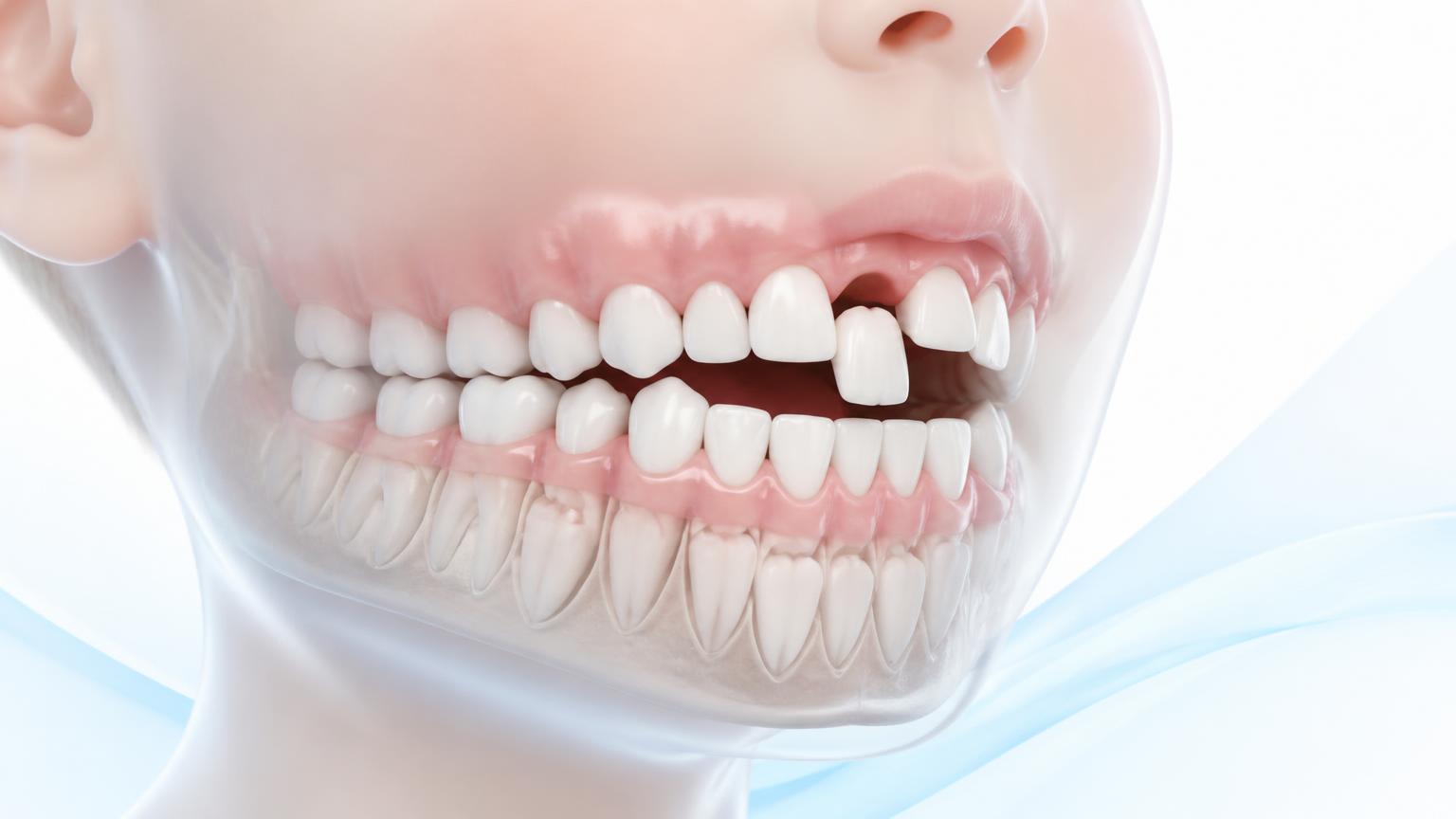
Baby teeth make space for growing permanent teeth
Baby teeth eventually fall out as permanent teeth develop.
Until then, baby teeth still need proper care.
Healthy baby teeth help children eat, speak and maintain space for developing permanent teeth.
Your dentist can monitor this transition as your child grows.
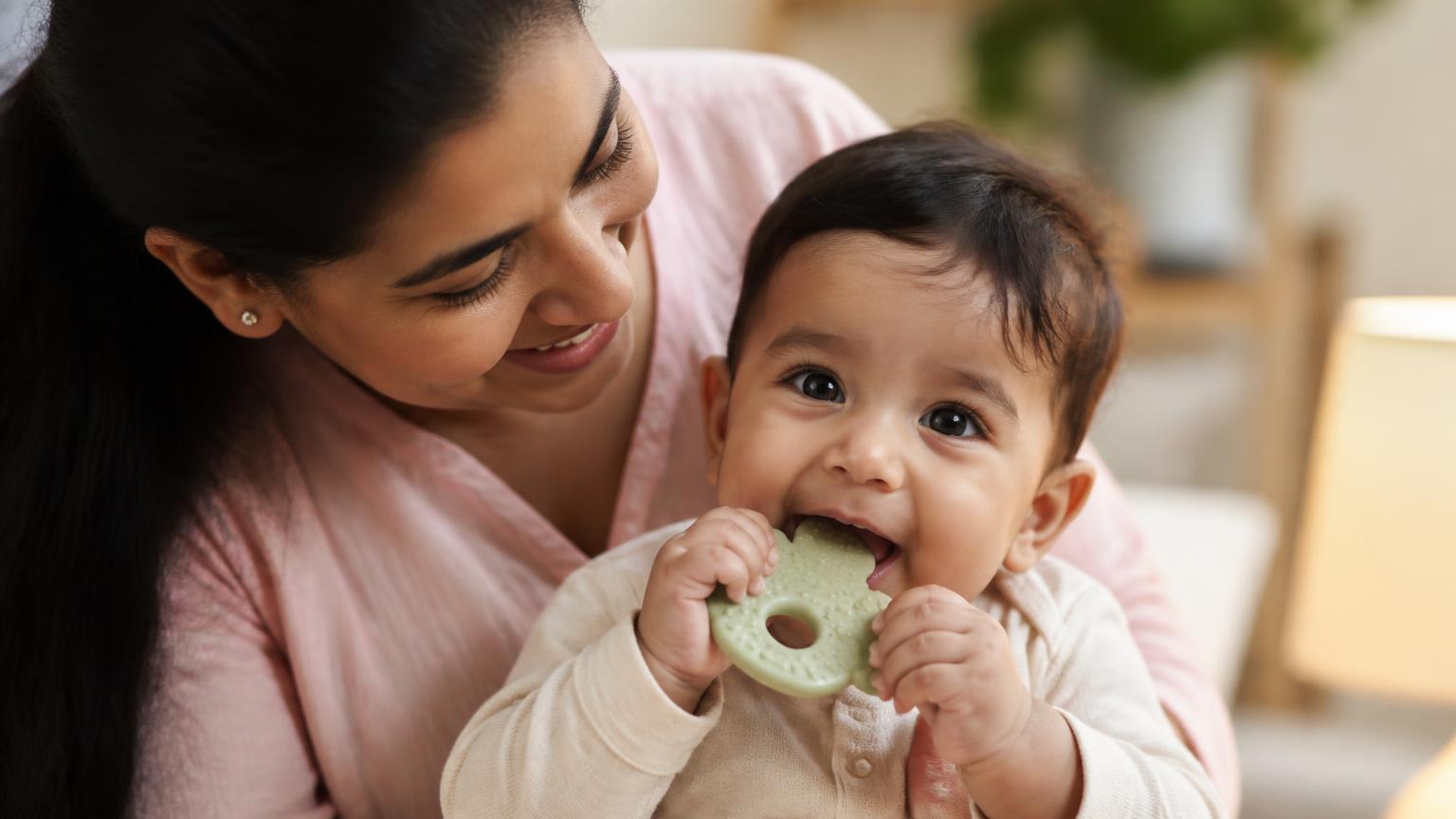
Is teething normal?
Teething is the natural process through which a baby's teeth emerge through the gums.
It can sometimes cause:
- Sore or sensitive gums
- Increased drooling
- A desire to chew
- Temporary irritability
If your baby has a high fever, significant swelling or seems unusually unwell, speak with a healthcare professional rather than assuming it is only teething.
What should parents do if a tooth is injured?
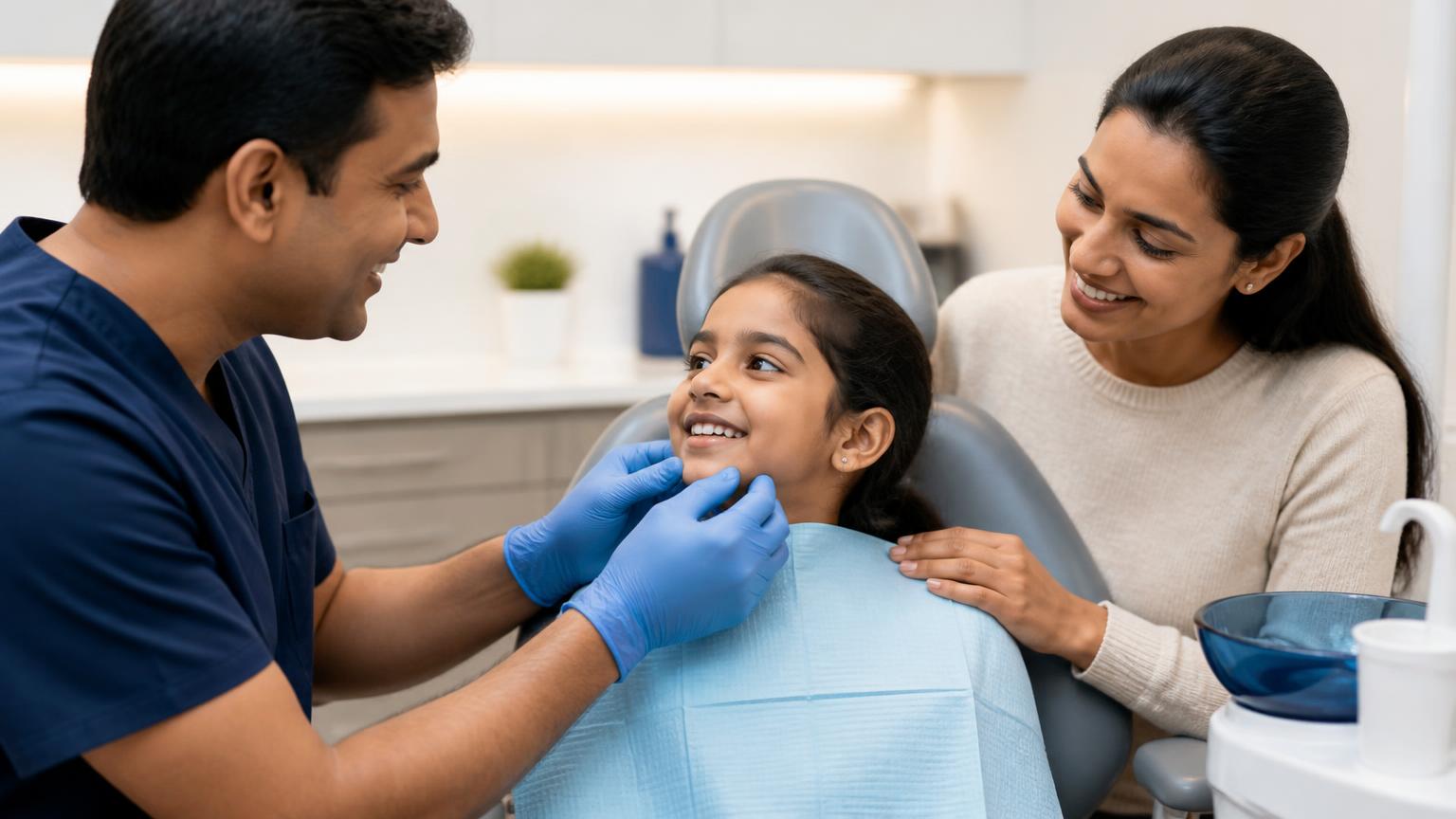
Children can sometimes injure their teeth while playing or during sports.
Seek dental advice promptly if your child:
- Chips or breaks a tooth
- Knocks a tooth
- Has significant bleeding
- Has swelling or severe pain
- Has difficulty biting
- Has a tooth that becomes very loose unexpectedly
Keep calm and contact your dental team for guidance.
Protect your child's teeth during sports
Children who participate in contact or high-impact sports may benefit from appropriate mouth protection.
Ask your dentist whether a mouthguard is suitable for your child's activity.
Good protection can help reduce the chance of dental injury during sports.

Every child deserves care that fits their needs
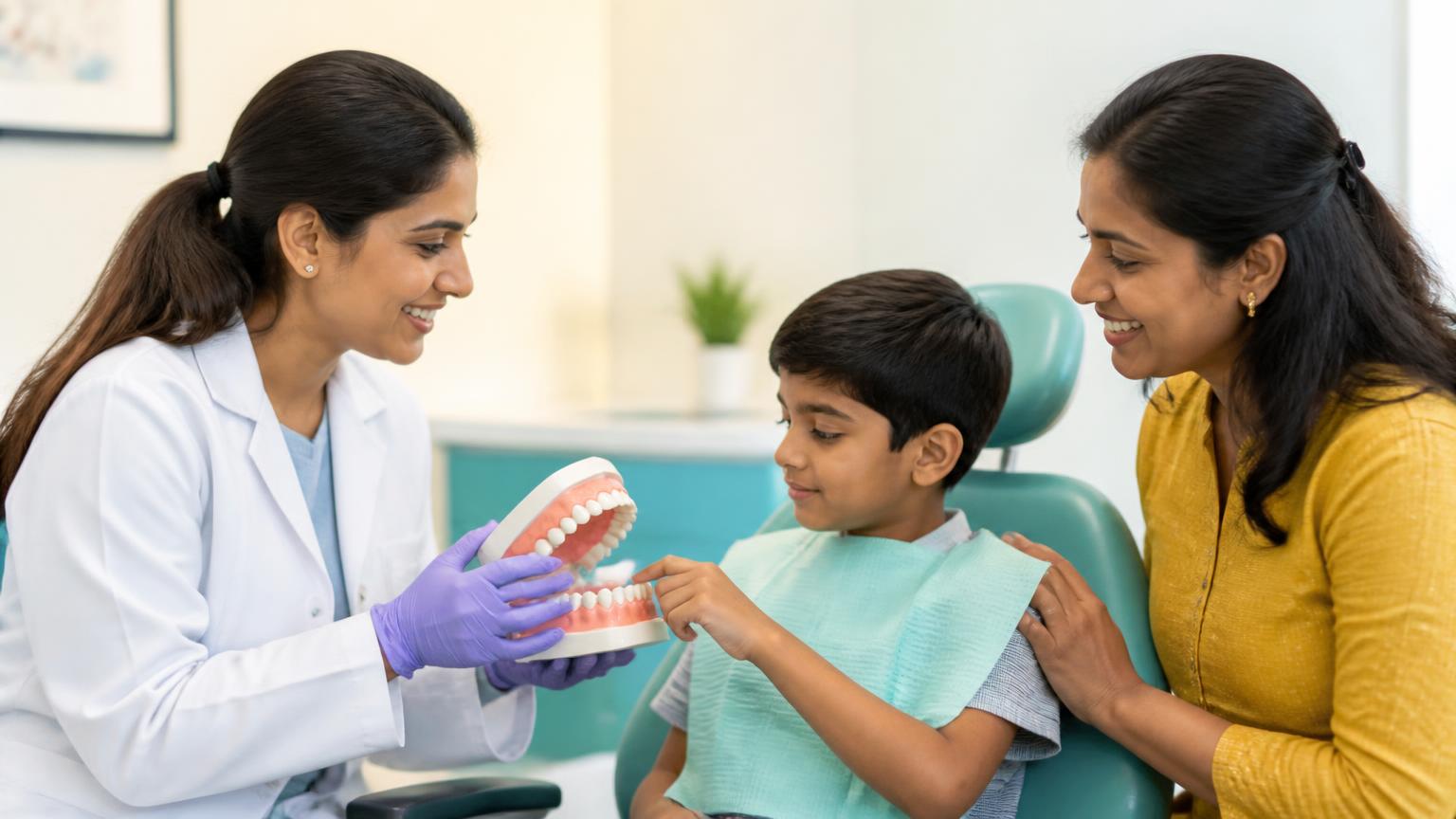
Some children may need additional support during dental visits because of developmental, behavioural or other individual needs.
A dental appointment can be planned around the child's comfort, communication style and ability to participate.
Parents should tell the dental team about any concerns before the appointment.
Prevention is better than waiting for pain
Children's dentistry is not only about treating cavities.
Preventive care can include:
- Regular dental examinations
- Fluoride guidance
- Brushing advice
- Dietary guidance
- Monitoring tooth development
- Early identification of dental problems
The goal is to help children grow with healthy teeth and positive dental habits.

Frequently asked questions
Don't wait until your child has tooth pain
Your child should have regular dental check-ups even when there is no pain.
You should also contact a dentist if your child has:
- Toothache
- Swelling
- Bleeding
- A broken or injured tooth
- Sensitivity
- Difficulty eating
- A tooth that looks unusual
- Concerns about tooth development
Early assessment can help identify problems before they become more difficult to manage.
Book a child's dental appointment
Give your child a healthy start to their smile
Good dental habits begin early.
Regular check-ups, healthy daily routines and a positive relationship with the dentist can help children grow with healthier smiles and greater confidence about dental care.
Book an appointment with The Millennium Dental and let our dental team guide you and your child through the next stage of their oral health.
Book a child's dental appointmentThe Millennium Dental — hospital-backed dental care in Navi Mumbai.